

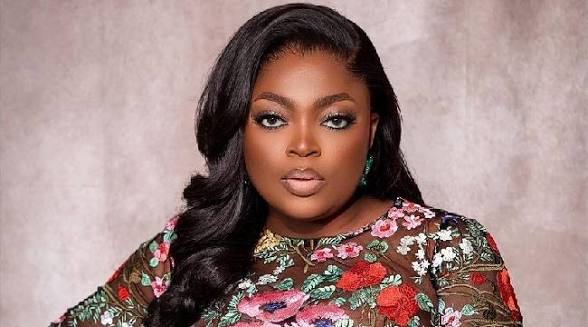
For years, Nollywood has treated music as something that happens after the film is made. A song enters the soundtrack, plays over the credits, or becomes popular because people already love the movie. Funke Akindele’s The Four is testing a different order. Its first major musical push has arrived more than three months before the film is scheduled to reach cinemas, giving audiences something to listen to before they have seen the full story.
On September 1, Akindele released Ore Mi, a soundtrack performed with three of her co-stars, Waje, Bisola Aiyeola, and Chioma Chukwuka. Produced by Tolu Obanro, the song moves between English, Yoruba, and Igbo and centres on friendship, love, and the bond between close friends. The Four is scheduled for a December 11 cinema release. That leaves the song with a useful job: to keep the film in people’s heads long before opening weekend.
This is where the idea becomes interesting for Nollywood. A trailer asks an audience to watch. A song asks them to listen. The difference matters because listening can become part of everyday life. A person can play Ore Mi while driving, add it to a playlist, share it on WhatsApp, or use it in a social media post. The film can enter their routine without requiring them to sit down and watch anything.
Akindele already understands the relationship between music and film promotion. In 2024, she worked with Falz, D’banj, and other cast members on a soundtrack for Everybody Loves Christmas. Ore Mi takes the idea further by connecting four recognisable women from the movie in one song and making the friendship at the centre of the film part of the marketing itself.
Nollywood has plenty of material for this strategy. Its biggest stars are often musicians, actors, comedians, and creators at the same time, and Nigerian audiences already move comfortably between those worlds. A film starring popular performers could commission an original song, release a video, create social challenges around it, and allow the cast to perform it at events. The song becomes another piece of content that keeps the film circulating.
There is also a commercial reason to take the strategy seriously. Nigerian music has already built a distribution system that can move a new release across streaming platforms, radio, TikTok, Instagram, and WhatsApp within hours. A cinema campaign traditionally depends on posters, trailers, interviews, premieres, and paid advertising. A strong song can sit inside all of those channels while having a life of its own.
That doesn’t mean every movie needs a soundtrack single. A bad song won’t magically create demand for a bad film, and forcing actors to become musicians could easily produce something audiences ignore. The useful part of Akindele’s approach is the connection between the song and the story. Ore Mi is about friendship because friendship is central to The Four. The promotion isn’t completely separate from the product.
The bigger opportunity is for Nollywood to think about movie campaigns as entertainment before the movie itself arrives. A film could have a song, a podcast, a character’s social account, a live performance, or a creator challenge months before release. Each piece gives audiences another way into the world of the film.
For a country where music can become a cultural conversation almost overnight, leaving that power until after a movie opens feels like a missed opportunity. The Four has already put its music out in public before audiences have seen the film. Whether Ore Mi can translate streams and social engagement into cinema tickets is the part worth watching.
That could matter in December’s crowded cinema calendar. If it works, Nollywood may have found a simple way to make movie marketing feel less like advertising and more like entertainment. The trailer would still sell the story. The song could make people care enough to look for it.