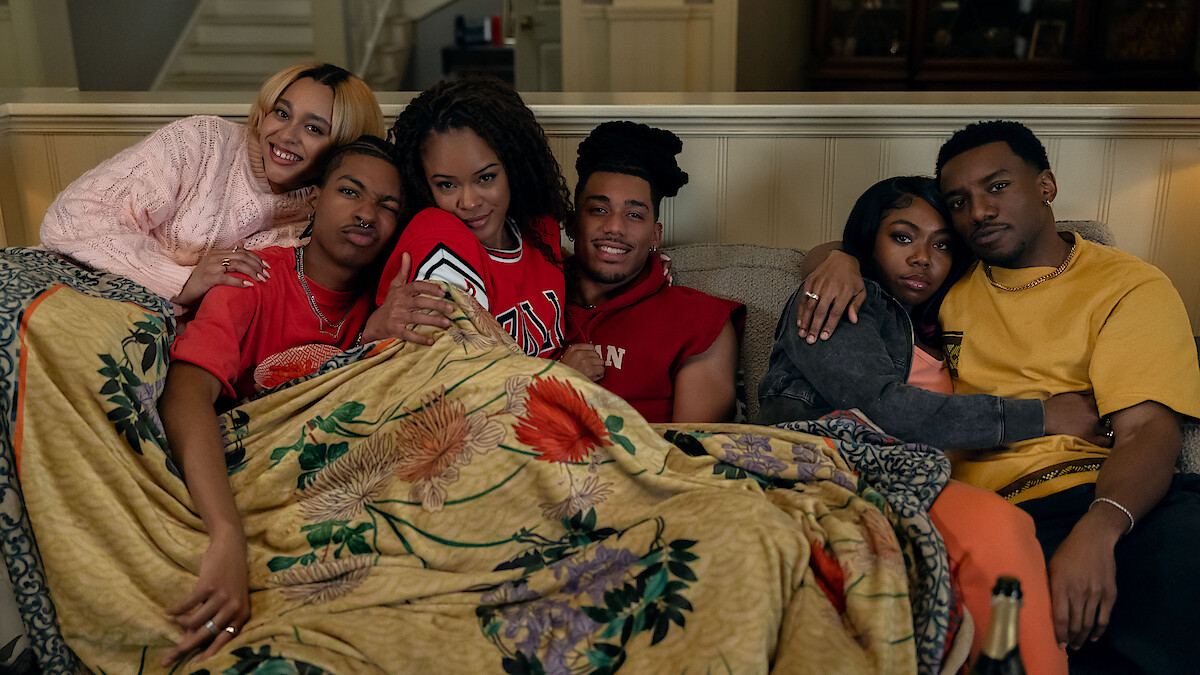

The Netflix reboot of “A Different World” was released just a week ago, and it has received a lot of love and remained at number 1 on the streaming site. If you haven’t seen this show and are looking for reasons to add it to your watchlist, this article is perfect for you.
In this article, we discuss the show’s portrayal of Black people and how swiftly it touches on sensitive subjects in the world.
What You Need To Know About “A Different World”
“A Different World” is the Netflix reboot of the 1987-1993 series, originally created as a spin-off of The Cosby Show. The reboot, created by Felicia Pride, follows the story of Deborah Wayne, the college freshman daughter of characters from the original series, Dwayne Wayne and Whitley Gilbert-Wayne, as she makes her own way and legacy at Hillman College while attempting to escape her parents’ shadow.
The Positives of the Sequel
The sequel of “A Different World” has a lot of important themes much like the original, but it also touched on things that are important in today’s world; some of these things are:
- Inclusion
The writing of the series, the casting choices, and the storylines were extremely inclusive. Typically absent in a lot of young Black shows is the presence of a well-rounded queer character whose storyline does not necessarily revolve around him being queer. In this show, Amir’s character was queer but also very involved in building a full life.
Another aspect of the inclusion was the show introducing a Black, loud, and colourful character who was also intelligent and desirable. This aspect not only addressed inclusion but also challenged a stereotype about young Black girls who make unique stylistic choices or have distinct accents.
Another aspect of the inclusion was the writing, including African characters and religious characters with complexities other than their nationality or religious beliefs.
- Erased Stereotypes
One of the most important aspects of the writing in this reboot is the obvious intent to ensure that stereotypes about Black Americans and African people were not used as a theme. As is common in young teen shows with Nigerian characters, “A Different World” did not include the plot of Kojo, the Nigerian Ghanaian character, being “A Nigerian Prince,” and there were no jokes about him being a possible fraudster. Instead, his character was built on his identity and focus as he made certain independent choices.
- Conversations on Societal Injustice
In the 1987 version, “A Different World” did not shy away from conversations about social injustice against Black people. From racism to systemic oppression, the show made sure to touch on it to a point where viewers have claimed it was “preachy.”
While some viewers have criticised the emphasis on these social issues, we found it to be a well-executed aspect of the writing. More Black shows need to address the injustices people face around the world, and the series went in the right direction.
- The Comedy
One of the greatest elements of the show was the comedy, not only from the newer cast members but also from the returning cast from the original show. The bond evident among all the characters made the well-written comedic scenes hit harder and contributed to the show’s pacing.
- The Overflowing Presence of Black Joy
Lastly, an element the show presented that made it all the more compelling and memorable to binge was the overwhelming presence of Black joy, evident in every episode.
While the students had their messy storylines and occasional moments of drama, the show wrote black joy in a compelling and engaging manner that made us want to see more of it, and with every episode that passed, it became more evident to us that “A Different World” is the type of Black show the world needs more of now.
What do we think?
Although the show has many positives, the things to criticise do not detract from its overall message and experience. It is a beautifully written show that captures the beauty of young Black people.