
When Uber launched in Lagos in 2014, ride-hailing felt like one of those changes that could make living in a difficult city slightly easier. You could request a car from your phone, see the driver’s details, and pay without negotiating at the roadside. Abuja followed in 2016, and the model spread. For many people, Uber also became part of how they moved around the city after dark, particularly when public transport options became limited or less comfortable. A night out in Lagos could end with a ride home from the island to the mainland without standing by the roadside looking for a taxi. In Abuja, where distances between neighbourhoods can be wide, the ability to summon a car also changed how people thought about moving around the city.
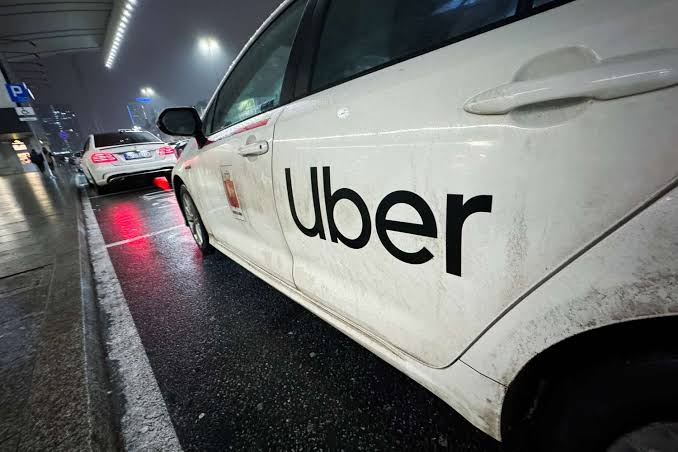
Uber discontinued its Nigerian operations on September 2 after reviewing its business priorities and investment focus across Africa. The company has not given a specific reason for leaving, and it has made clear that the decision is limited to Nigeria and Uganda. Its exit comes as Uber restructures globally and puts major resources into autonomous mobility, but there is no evidence that driverless cars are the reason Nigeria was dropped.
What Uber’s departure does expose is the difficult business environment underneath Nigeria’s ride-hailing boom. In Lagos and Abuja, getting a ride can be easier than it was before Uber arrived, but the experience can be expensive, unpredictable, and frustrating.
For passengers, price is the biggest problem. A service that began as a convenient alternative to taxis and danfos has become something many people now calculate carefully before booking. Lagos commuters have reported cutting back on ride-hailing because fares have risen sharply, with some trips that once cost around ₦4,000 now costing more than ₦10,000.
That creates a problem for every platform operating in the market. Riders want cheaper fares. Drivers need enough money to cover fuel, maintenance, data, financing, and daily expenses. Platforms need to take a commission and still keep the marketplace working. Those pressures do not disappear when another company enters the market.
Drivers in Lagos have already complained that current fares do not reflect their costs. In March, app-based drivers under AUATON protested over low earnings, rising fuel prices, and expensive vehicle maintenance. Abuja drivers have raised similar complaints, including the cost of spare parts, fuel, and unpaid pickup distances.
Then there are the roads. Lagos traffic can turn a short trip into an hour-long crawl, while potholes, flooding and damaged roads add wear to vehicles. Abuja has a different road pattern, but drivers still deal with long distances, uneven road conditions, and security concerns. A ride-hailing platform can make the booking process digital. It cannot fix the road the car is driving on.
Vehicle maintenance is another part of the equation that passengers rarely see. A car that spends most of the day moving through Lagos traffic needs tyres, brakes, suspension work, servicing, and other repairs. In Abuja, drivers face the same reality. Bolt even provides maintenance partnerships and discounts for drivers in Abuja, a sign of how central vehicle upkeep has become to the economics of the business.
Uber’s exit leaves a more interesting question than whether Nigerians will miss the app. What happens to the mobility habits it helped create? Ride-hailing became part of how Lagosians and Abuja residents got home late, attended events across town, travelled to places poorly served by public transport, and moved around without having to negotiate every trip from scratch.
Bolt and inDrive are still there, and both have to solve the same underlying problems. They need to keep fares within reach of passengers while making driving financially worthwhile. They also have to compete on safety, reliability, customer support, and driver retention. The winner of Nigeria’s next phase of ride-hailing may be the platform that can balance those competing demands most effectively.
The driverless car conversation feels distant from this reality. Autonomous vehicles may become a major part of Uber’s global future, but Lagos and Abuja are still wrestling with the basics of urban mobility. People need affordable fares. Drivers need sustainable incomes. Cars need better maintenance. Roads need investment. Passengers need to feel safe.
Uber’s departure is therefore less a story about Nigeria being left behind by the future of transport and more a reminder that Nigeria’s mobility future will be shaped by problems much closer to the ground. Before Nigerians start debating who should be behind the wheel, they still have to deal with the cost of getting into the car in the first place.