

Nigerian theatre is having a strange moment. Lagos can fill a theatre for a weekend, sell out a Christmas production and attract audiences willing to pay serious money for live performances. Then the show ends, the cast goes back to other jobs and the audience waits months for another production. Theatre has an audience. What it hasn’t quite built is a year-round business around that audience.
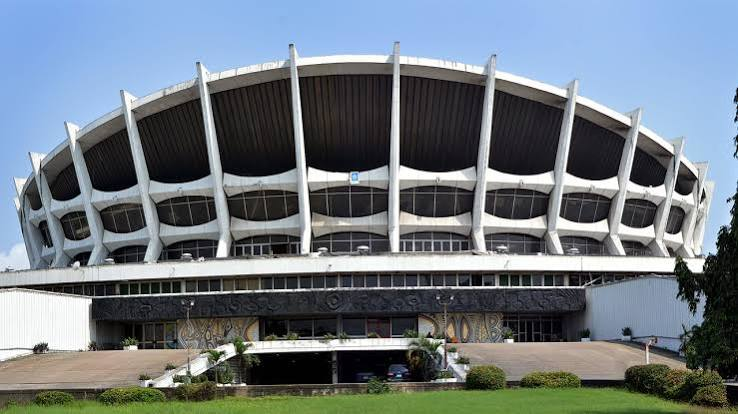
Terra Kulture is probably the clearest example of what is possible. Its Lagos venue continues to programme theatre, while its wider operation has become large enough to attract support from the International Finance Corporation for creative infrastructure and skills development. The National Theatre, after years of decline, was renovated and reopened in 2025, with the Federal Government and Bankers’ Committee investing billions of naira in the project. So why does Nigerian theatre still feel like a Lagos event rather than a national entertainment industry?
Part of the answer is infrastructure. A 2025 study published by the University of Ibadan’s Ibadan Journal of Theatre Arts identified the shortage of suitable performance spaces as one of the major problems facing contemporary Nigerian theatre. Outside Lagos, many productions have to work around multipurpose halls that were never designed for professional theatre. That makes touring more expensive and makes it harder for a production to build a dependable circuit across Abuja, Port Harcourt, Ibadan and other cities. The problem becomes clearer when compared with film and music. A Nollywood film can be released across dozens of cinemas at once, and a song can reach listeners in Lagos, London and Accra on the same day. Theatre has to move the people and the equipment with the production. Every additional city means another venue, another set of logistics and another financial gamble.
Yet audiences have already shown that they will pay for live entertainment when the production gives them a reason to come. The success of major stage productions during Lagos’ busiest entertainment periods suggests that demand exists. The challenge is turning that demand from occasional excitement into a habit. That could mean taking theatre out of the seasonal box. A production based on a popular Nollywood film could arrive with an audience before its first ticket goes on sale. A university circuit could expose students to the same production in several cities. Corporate sponsorship could make longer runs possible, while partnerships with hotels and cultural centres could create smaller, regular venues outside Lagos.
The renovated National Theatre also changes the conversation. Its reopening in October 2025 restored one of Nigeria’s most important performance spaces, and its current programme includes drama, festivals and other live events. A functioning national venue gives producers another place to build around, but one venue cannot solve a problem that is spread across the country. There is also a branding issue. Nigerian theatre is often sold as an event rather than as a continuous industry. Audiences know the names of particular productions, comedians and performers, but there are fewer theatre franchises with the kind of recognition attached to a music artist or film studio. A stronger industry would need productions that can travel, return every year and develop audiences beyond one season.
The interesting part is that theatre already has one advantage that film and streaming cannot reproduce. People have to be in the room together. That can create the kind of atmosphere that turns a production into something people recommend, photograph and talk about after the curtain closes. Nigeria has already built global businesses out of music and film. Theatre may not need to copy either one. It needs the infrastructure, financing and distribution model that can turn a packed hall into a touring business, then turn that touring business into a regular part of Nigerian entertainment. The audience is there. The question is whether the industry can give that audience somewhere to keep going.