
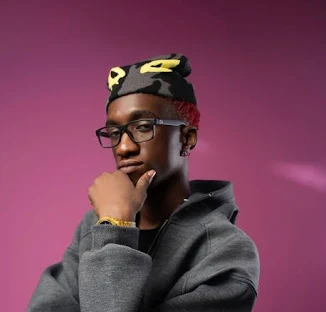


A phone camera has become one of the easiest ways to turn another person’s life into content. For Nigerian celebrities, that can mean being filmed at an airport, followed into a club, or approached repeatedly by someone determined to capture a reaction. A recent viral clip involving musician Mavo has brought that behaviour into the conversation again, raising an uncomfortable question about where content creation ends and harassment begins.
Nigeria’s creator economy rewards proximity. Getting close to an artist can mean getting footage that other creators cannot access, and the more uncomfortable the interaction looks, the more likely it is to become shareable content. The audience often treats this as entertainment. Someone following a celebrity around can be framed as being persistent, funny, or simply hungry for content, even when the person being followed clearly wants to leave.
Being famous also changes the way people understand privacy. Public figures do have a lower expectation of privacy in some situations, especially when they are attending public events or speaking publicly. That does not mean they surrender every boundary once they become recognisable. That distinction becomes harder when the target is famous, and the creator treats public visibility as permanent access. Our Constitution protects privacy under Section 37, while the Nigeria Data Protection Act 2023 regulates the processing of personal data, which can include identifiable images and recordings.
The Nigeria Data Protection Commission has already warned content creators about filming unsuspecting people and publishing the footage online. In March 2026, the commission specifically said that recording members of the public without consent can raise privacy and data protection concerns. It also said creators cannot assume that entertainment automatically gives them a lawful reason to process someone’s personal data.
That does not mean every photograph taken without permission is automatically a crime. Our law does not create a blanket ban on photographing or recording people in public spaces. The legal question can depend on what was recorded, why it was recorded, how it was used, and whether another law or legal right has been engaged. A 2026 legal study on street content makes the same distinction between public filming and unlawful processing or intrusive conduct.
Stalking creates a different problem. Nigeria does not have one broad federal stalking statute that works in the same way as the United Kingdom’s Protection from Harassment Act. Some Nigerian states have introduced specific protections. Under the Violence Against Persons Prohibition framework, for example, stalking can include repeatedly watching, loitering near a person, following, pursuing, or accosting them in a way likely to cause fear or anxiety.
Online behaviour can create another route to liability. Section 24 of the Cybercrimes Act, as amended in 2024, addresses certain communications used to bully, threaten or harass another person where the communication places that person in fear of death, violence or bodily harm. That provision does not turn every annoying creator into a cyberstalker, but it shows that Nigerian law already recognises some forms of persistent online harassment as offences.
The harder question is enforcement and public attitude. When thousands of people laugh at footage of a celebrity being chased around a venue, the creator gets rewarded for behaviour that the subject may experience very differently. Engagement can turn discomfort into a business model because the creator has an incentive to keep pushing until the target reacts.
There should be room for street interviews, celebrity coverage, and spontaneous entertainment. There also has to be room for a person to say no, walk away, or ask not to be filmed without that refusal becoming part of the content.
The Mavo clip matters because it forces Nigerian audiences to look beyond the word “content.” A camera does not automatically make intrusive behaviour journalism, comedy, or lifestyle blogging. The harder task for Nigeria’s creator economy is deciding what boundaries should apply when attention becomes valuable and another person’s discomfort becomes the product.