
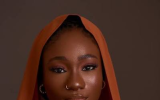
Poco Lee’s case has brought an uncomfortable question back into focus for Nigeria’s creative economy: what happens to a creator’s income when their entire business is tied to their public image?
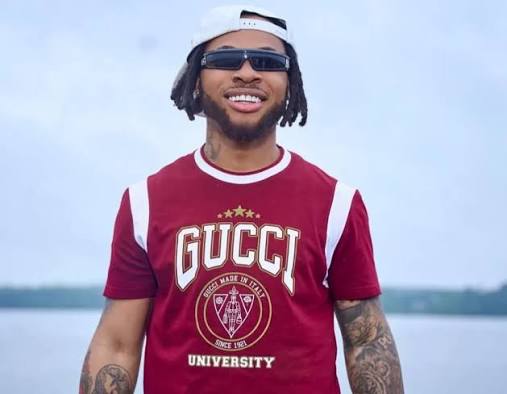
The Nigerian dancer and hypeman, whose real name is Iweh Pascal Odinaka, is due before Snaresbrook Crown Court in London on September 15 for plea and trial preparation. The court has confirmed five charges against him, including two counts of rape, attempted rape and two counts of assault by penetration. Poco Lee has not been convicted of any offence, and his management has asked the public to avoid treating allegations as evidence of guilt.
The commercial consequences of a case like this can still arrive before a court reaches a verdict. A brand can decide that an association has become too risky. A promoter can rethink a booking. An event organiser can remove a performer from a line-up. For someone whose business depends heavily on appearing at events and maintaining a favourable public image, that can mean an immediate interruption to income.
This exposes a weakness that goes beyond Poco Lee. Nigerian music has spent years building systems around intellectual property. A successful song can earn from streaming, publishing, licensing, performance rights and sync placements long after the musician has stopped performing it. That catalogue can become an asset that can be licensed, sold, inherited or used as security for future business.
A dancer operates differently. The Copyright Act 2022 does give performers rights, and its definition of performer expressly includes dancers. The Act also protects choreographic works. A dancer therefore isn’t legally invisible. The problem is that having a right over a performance is different from having a catalogue that produces regular commercial income.
A dancer who creates a recognisable routine could have copyright interests in that work. A performance can also be fixed and commercially exploited under the law. Yet most of the money available to a popular dancer still comes from being physically present. They dance at a concert, appear in a music video, host an event, promote a brand or travel for a booking. Once those opportunities stop, there may be very little recurring income waiting elsewhere.
That is where the comparison with musicians becomes useful. The real advantage of a music catalogue isn’t that musicians are protected from reputational damage. They aren’t. An artist can lose endorsements, bookings and partnerships after a controversy just as quickly. Their catalogue simply gives them another source of income that may survive the collapse of their public-facing business.
The same principle could apply to dancers, comedians, hypemen and other personality-driven creators. They can build intellectual property around choreography, recorded performances, character formats, educational products, production companies or other businesses that don’t depend entirely on showing up at an event. The Copyright Act already provides part of the legal foundation for creators to own and exploit original works.
Contracts matter just as much. Endorsement and performance agreements can determine what happens when a campaign is cancelled, whether a creator is paid for work already completed and what conduct can trigger termination. Morality clauses are already used in entertainment and brand agreements, allowing companies to respond when a creator’s conduct creates reputational risk.
That means the lesson from Poco Lee’s situation shouldn’t be that non-musical creators need a song catalogue. They need businesses that can survive periods when their faces, bodies or reputations can’t be monetised in the usual way.
Nigeria’s creator economy has become very good at producing personalities. The next stage has to be about producing assets. A creator who spends years building an audience should eventually own something that can continue generating value when the bookings slow down, a campaign ends or public attention moves somewhere else.
Poco Lee’s case will ultimately be decided in court, not by social media or the commercial decisions of brands. But the economic question it raises reaches far beyond one entertainer. For creators whose biggest asset is themselves, the safest business model may be the one that gives them something else to own.