
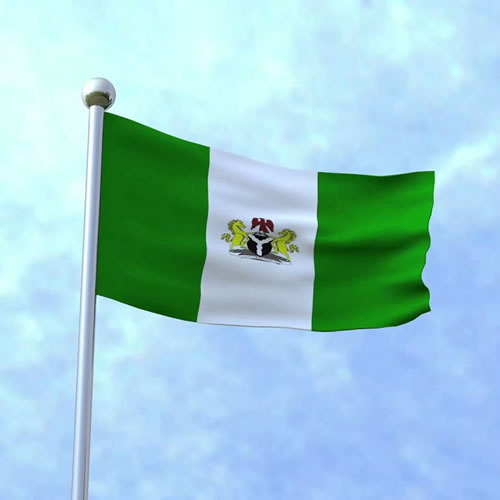

Nigeria has experienced many monumental changes since gaining independence in 1960. While those changes are endless, this article lists 10 significant changes the country has experienced that have defined it over the past 6 decades.
- Transition to a Republic
In 1963, Nigeria severed its final constitutional ties to the British monarchy. This move made Nigeria a federal republic with its own indigenous president and government, and Dr Nnamdi Azikiwe was the first elected president.
- The Nigerian Civil War
The Nigerian Civil War that happened in 1967-1970 was a horrific 30-month conflict that followed the attempt to secede to Biafra. The civil war was a test of the unity Nigeria had attained after independence and left a lasting impact on Nigeria’s societal and political structures.
- Military Regimes
Nigeria went through several regimes of military rule, which totalled 29 years under various military rulers. The military regimes began in 1966, just 6 years after independence, and their centralised governance had a major impact on Nigeria’s federal structure as we know it.
- Oil Booms
Nigeria had one of its most monumental moments in the 1970s with the discovery and rapid development of crude oil, leading to its commercialisation and exploitation. This era shifted Nigeria from an agrarian-based economy dependent on cash crops to a mono-economy reliant on petroleum, and while it brought wealth, it also caused a major structural shift.
- NYSC Introduction
In 1973, to promote national unity and foster harmony after the tensions of the civil wars of 1967-1970, the military government under General Yakubu Gowon established the National Youth Service Corps. It required university and polytechnic graduates to serve in a state other than their own.
- Transition to Presidential System
In 1979, the Nigerian government decided to move from the British-style parliamentary model to the American presidential model. This move established a bicameral legislature and ushered in a new era of democracy.
- Relocation of Federal Capital
In 1990, the Nigerian government made the big decision to relocate the country’s capital from Lagos State to Abuja. The decision to move was made to provide a neutral, accessible federal capital for the country’s diverse ethnic and regional populations.
- The End of Military Regimes
In 1999, Nigeria marked the end of military rule with the handover to democracy under the fourth-republic president, Olusegun Obasanjo. This move marked the beginning of what is still the country’s longest stretch of democratic governance.
- The Introduction of Polymer Notes
In 2007, the Central Bank of Nigeria introduced a redesigned 20 Naira banknote on a polymer substrate to improve durability, enhance security, and lower printing costs for lower-denomination banknotes.
- Removal of Fuel Subsidy and Naira Floating
One of the biggest changes in Nigeria in the 2020s was President Bola Ahmed Tinubu’s announcement of the immediate removal of the decades-long petroleum subsidy. The removal of fuel subsidies came alongside the floating of the national currency in 2023. This policy drastically altered the economic landscape, driving up inflation and reshaping the country’s cost of living and transportation.