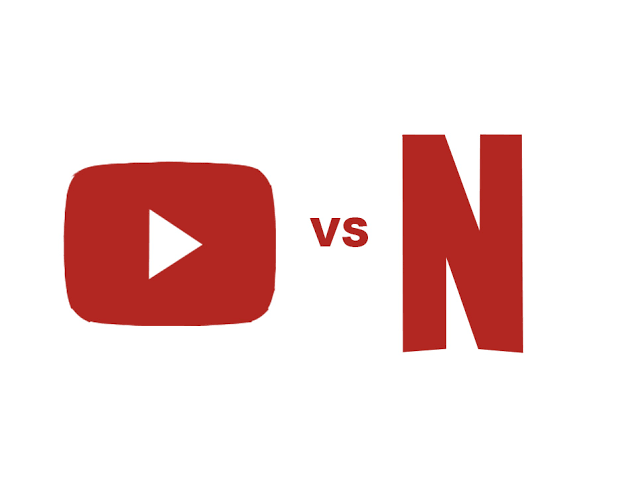

YouTube and Netflix are increasingly competing for something neither platform traditionally owned: the creators who built their audiences elsewhere. Reports that YouTube is offering selected top creators multi-million-dollar incentives to keep them from taking exclusive deals with Netflix point to a shift in the creator economy. Platforms are no longer just competing for viewers; they are competing for the people who can bring those viewers with them.
For years, the relationship seemed straightforward. Creators needed YouTube, TikTok and Instagram to reach audiences, while the platforms needed creators to keep people watching. That relationship changes when a creator becomes big enough to attract traditional entertainment companies. MrBeast is the clearest example. His YouTube audience has grown into a wider business spanning food, merchandise, analytics and television-style productions. He is no longer simply a YouTuber.
Netflix appears to understand that shift. The streamer has increasingly licensed creator-led content, including programmes from Ms. Rachel, Mark Rober and other major internet personalities. The attraction is obvious: these creators arrive with audiences already attached to them, giving Netflix access to viewers it would otherwise have to spend heavily to attract.
That creates a different proposition for creators. A YouTuber with millions of followers is not only producing videos; they are sitting on intellectual property, audience loyalty and a distribution network built over years. The reported YouTube offers suggest that platforms are beginning to recognise what happens when a major creator takes that audience somewhere else: a competitor can inherit the attention that YouTube helped create.
Nigeria is not yet at the point where Netflix and YouTube are openly fighting over its biggest creators, but the ingredients for that conversation already exist. YouTube has become an increasingly important entertainment platform locally, with Nigerian creators using it to build audiences that once would have required television or radio. As streaming platforms have also pulled back from some local productions, YouTube has become an increasingly important outlet for Nigerian filmmakers and digital entertainers.
That matters because Nigerian creators have already demonstrated that audiences can be built without traditional media companies. Comedy skit-makers, streamers, lifestyle creators and filmmakers have spent years turning social platforms into their first distribution channels. Many now operate across YouTube, TikTok and Instagram, giving them something traditional media once controlled: direct access to an audience.
The problem is that reach does not automatically translate into bargaining power. Nigerian creators still operate in a fragmented monetisation environment, where brand partnerships can be more important than platform revenue. TikTok’s Creator Rewards Programme, for instance, is not available in Nigeria, leaving creators to rely on other forms of income alongside whatever platform monetisation they can access.
That is where a Netflix or YouTube bidding war could become significant. A creator who currently has to negotiate individual brand deals could instead receive serious money to produce a programme for a global platform. Bigger budgets could mean better production, larger teams and the opportunity to turn formats that began as social content into genuine entertainment properties.
But exclusivity would also create a new problem. A creator who moves important content to one platform may gain a large cheque while losing the flexibility that made their audience valuable. Followers do not automatically migrate with a creator, particularly when they are spread across several platforms. The platform gets the content and distribution rights; the creator risks becoming dependent on the company that controls both.
The smarter goal for Nigerian creators, then, may not be becoming the next personality YouTube pays to keep away from Netflix. It is becoming valuable enough that several companies have a reason to compete for them. That means building recognisable formats, intellectual property, production companies and audiences that are not completely dependent on one platform.
The global creator economy is already moving in that direction. Its biggest personalities increasingly look less like influencers and more like media companies, using their online audiences to build businesses across entertainment, products and traditional distribution.
For Nigerian creators, that may be the real lesson in YouTube’s reported fight with Netflix. The opportunity is not simply to get a bigger cheque from a bigger platform. It is to build something strong enough that the cheque comes with choices.
Because when platforms begin competing for creators, the creators with the most leverage will be those who can afford to choose where their audience goes next.