

Nigerian climate activists have spent the last week warning Nigerians about the potential impact of the El Niño heatwave on the country.
Although it has become a trending topic, some Nigerians still know nothing about the heatwave, and in this article, we cover everything you need to know about El Niño.
What is El Niño?
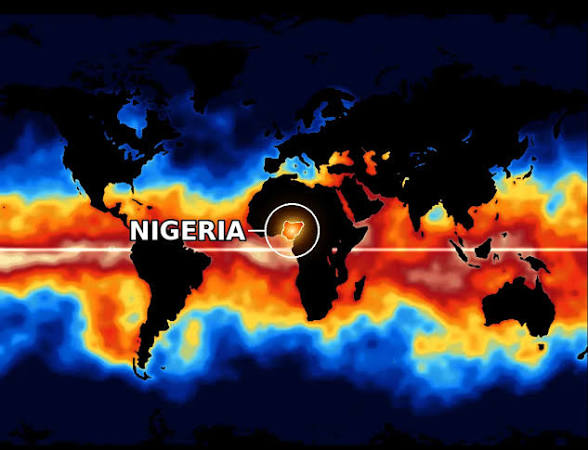
El Niño is a natural climate pattern that occurs where surface waters in the central and eastern tropical Pacific Ocean become warmer than the average temperature. This warming alters global atmospheric circulation and can disrupt normal weather patterns worldwide.
It is a phenomenon that typically occurs every two-seven years and can last between nine and twelve months in the year.
Why Is El Niño Suddenly a Trending Topic?
The reason El Niño is a trending topic in Nigeria is due to the World Meteorological Organization confirming a strong El Niño wave for 2026. The heatwave is reported to peak by late 2026 and carry on into 2027.
It is reportedly expected to be the strongest El Niño ever measured for this time of year, and the WMO has said it will likely be the strongest on record, already classified as a “very strong El Niño,” also known as a super El Niño.
The World Meteorological Organization is expecting it to peak by November or December and last through the early months of 2027.
How It is Impacting Nigeria
El Niño is expected to affect Nigeria’s weather by causing regional variations in unusual heat, rainfall and shifting climate patterns.
The Nigerian Meteorological Agency (NiMet) and the National Emergency Management Agency (NEMA) have reported or warned of unusually high temperatures and heat-related health issues due to the strong pattern of the El Niño wave.
Tips to Stay Safe During El Niño
The most important tip to staying safe during the El Niño event is following official guidance from the National Emergency Management Agency (NEMA) and weather agencies like NiMet. El Niño can bring extreme heat, heavy rainfall, or flooding, depending on the region affected.
However, some easy tips to help you stay safe are:
- Staying Hydrated
Heat can be draining; to stay ahead of it, drink clean water regularly throughout the day, even if you don’t feel thirsty.
- Limit your time in the sun
It is important to stay out of direct sunlight as much as possible. Avoid peak sunlight and strenuous activities between 11am and 4pm.
- Dress for the weather
In extreme heatwaves, wear light, loose clothing, hats, and sunglasses to help you stay out of the sun and reduce the risk of heat-related illness.
- Learn heatstroke signs
Watch for heavy sweating, dizziness, headache, or confusion. If someone shows signs of heatstroke, move them to a cool place, apply wet clothes, and seek emergency help immediately.
In cases of El Niño bringing flooding, these are the tips to stay safe:
- Clean your drainage
Keep your home gutters, drains, and nearby waterways clean and free of refuse that could reduce proper water flow in flooded areas.
- Protect your drinking water
A major concern is water contamination, so store clean water early in covered, waterproof containers before shortages or contamination occur.
- Avoid floodwaters
Never walk, swim, or drive through moving or stagnant floodwaters to protect from diseases or drowning.
What do we think?
The most important thing to know about the El Niño event is that you should follow tips from weather and health experts who share tips and updates on how to protect yourself and remain safe.