
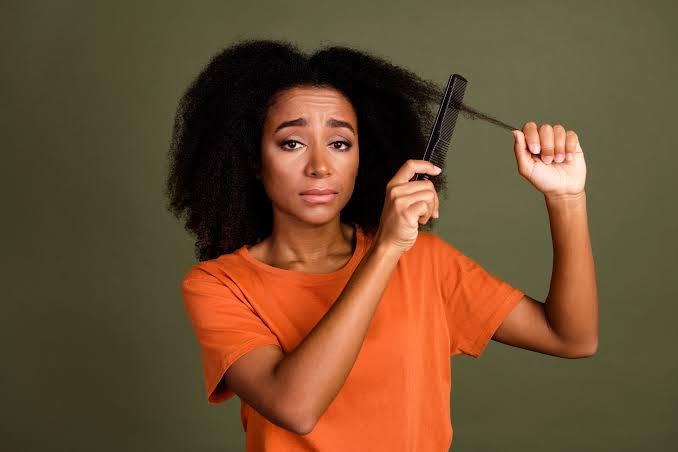


When a relaxer doesn’t work, the cream gets blamed first and the plan becomes something stronger next time. Usually that’s the wrong suspect. Hair comes out under-processed mostly because of what happened before and during the application: product on the strands, a slow hand, smoothing that got cut short, or a rinse that started too early. The product can play a part, just rarely the first one.
What “Did Not Work” Usually Means
Why is my hair not straight after relaxing?
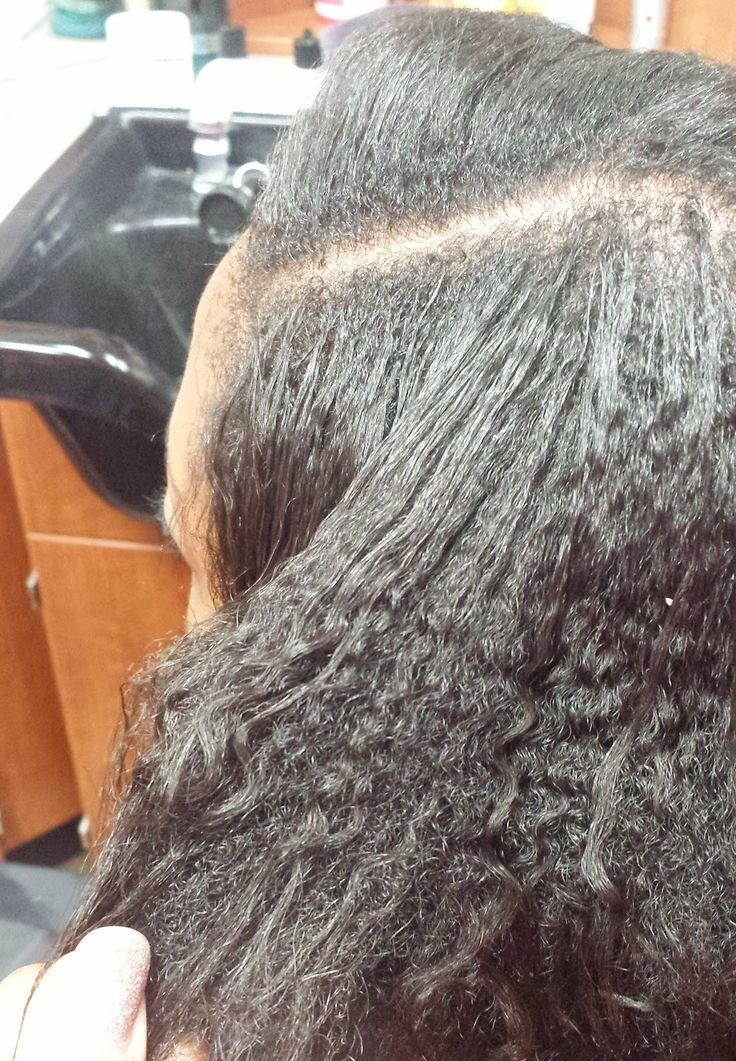
The most common result is an under-processed relaxer, where the hair is looser than before but still textured from root to tip, and it puffs up once the air turns humid. Uneven relaxer results look different: the front lies flat while the crown stays thick. Some women also say their relaxer reverted, straight in the salon mirror and curly again after the first wash. Relaxed bonds don’t rebuild, so what usually happened is under-processing that the blow-dryer hid until water brought the texture back.
A relaxer not straightening the hair at all is rarer, and when people describe a relaxer not taking like that, strength or product condition is more likely involved.
The Reasons That Have Nothing to Do With the Cream
Product Build-Up on the Hair
Relaxer has to get into the hair shaft. Weeks of heavy hair food, gel and edge control leave a coating, the kind of hair build-up relaxer cream struggles to get through, and processing turns patchy, often worst at the hairline.
Arrive with hair that is clean but not freshly washed. In practice, that means shampooing and conditioning at least a week before , clarifying if you’ve been heavy-handed with products, and using only light products after that. Don’t wash the day before or on the day, since that strips the natural oils that help protect your scalp, and don’t scratch for three or four days beforehand.
Application That Was Too Slow
Relaxer starts working on the first section it touches. If application takes twenty-five minutes, the first section has processed far longer than the last, and that gap produces uneven hair. A good stylist starts at the most resistant area, usually the back, and works quickly in neat sections.
Smoothing That Was Skipped or Rushed
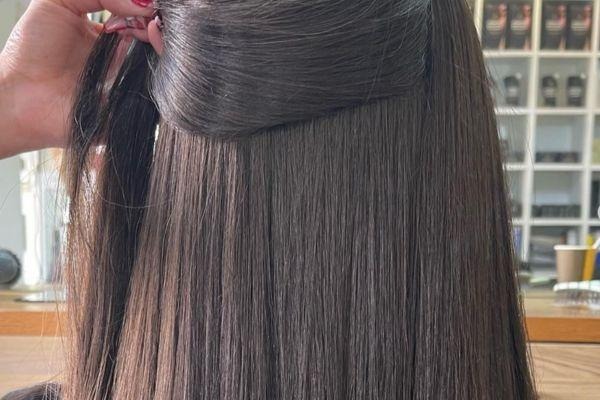
Relaxer does not straighten hair on its own. It softens the curl by breaking its bonds, and the smoothing pass, fingers or the back of a comb run gently down each section while the cream works, is what lays the hair straight.
When application eats up the processing time, smoothing gets squeezed into a minute or dropped. You leave with hair that was chemically ready to straighten and never got straightened, which is the classic under-processed result.
Neutralising Too Early
Rinsing stops the processing, and a stylist who rinses early to play safe leaves the hair under-processed however good the cream was. That said, if your scalp burns, rinse immediately. A slightly soft result is far better than a chemical burn.
Hair That Was Never Going to Go Bone Straight
Our 4C, very dense, resistant hair often comes out relaxed and manageable with some body left in it at a sensible strength and timing. That is a normal result for that hair. Chasing bone-straight with a stronger cream or an extra ten minutes is going to lead to disappointment either in the result or the damage it causes. A blow-dry with a heat protectant gets you the rest of the way.
The Reasons That Do Involve the Product
Strength Mismatched to the Hair
A regular formula on very coarse hair can under-process it, and a super formula on fine hair invites damage. MegaGrowth Relaxer comes in Regular and Super, and the kit states which hair each suits, with Regular listed for fine to medium hair. Choose by your hair type and follow that guidance. A soft result usually traces back to the technique problems above, so jumping to a stronger formula is rarely the fix. There’s more on strengths in our hair relaxer guide.
Product Past Its Best
Relaxer weakens with age and heat. A tub left in a hot shop window, or past its expiry date, may not deliver the strength on the label. Where a kit has a separate activator, mix the two until smooth and even in colour, just before use. Check the date and buy from a seller who stores stock properly.
What Not to Do Next
Do not reapply relaxer the same day, not even to one stubborn patch at the crown, and definitely don’t retouch the hair again later that week. Switching to super strength as a fix is the worst option, because it puts the strongest chemical on hair that has just been processed. A second application on freshly relaxed hair is how people end up with chemical burns, hair snapping off in the comb, and bald patches that take months to recover.
How Long to Wait Before Trying Again
If you’re asking how long before I can redo a relaxer, the answer is at least four to six weeks, and longer if your scalp is sore, flaking or scabbed. Many stylists prefer to wait for the next retouch at eight to ten weeks.
A corrective relaxer is a stylist’s job. It means treating only the sections that didn’t process while protecting the ones that did, which takes a trained eye. Ask for a strand test first.
Meanwhile, treat the hair as freshly relaxed. Deep condition weekly, use a leave-in between washes, sleep on satin and go easy on heat. The MegaGrowth aftercare range covers the conditioning and moisture that keeps hair strong enough for the correction.
FAQs
Why is my hair still curly after a relaxer?
Usually because the hair was under-processed. Common causes are product build-up blocking the relaxer, slow application, a rushed or skipped smoothing step, and rinsing too early. Very resistant hair can also keep some texture at a safe strength and timing, which is normal.
Can I relax my hair again if it did not work?
Yes, but not straight away. Wait at least two weeks, longer if your scalp is irritated. A stylist should do the correction after a strand test, applying relaxer only to the under-processed sections and never over hair that is already relaxed.
How long should I wait before redoing a relaxer?
At least two weeks, and only on a healthy, unbroken scalp. Many stylists prefer to wait for the usual retouch window of eight to ten weeks. A relaxer should never be redone on the same day or in the same week.
Before Your Next Appointment
Alt text: “MegaGrowth relaxer and aftercare products”
A relaxer that didn’t work is rarely a reason to change products, and never a reason to go stronger. Check the process first, from your last wash day to whether anyone smoothed your hair. Then choose a strength that suits your hair and pick up the relaxer and aftercare you need from the MegaGrowth range at The Diva Shop.