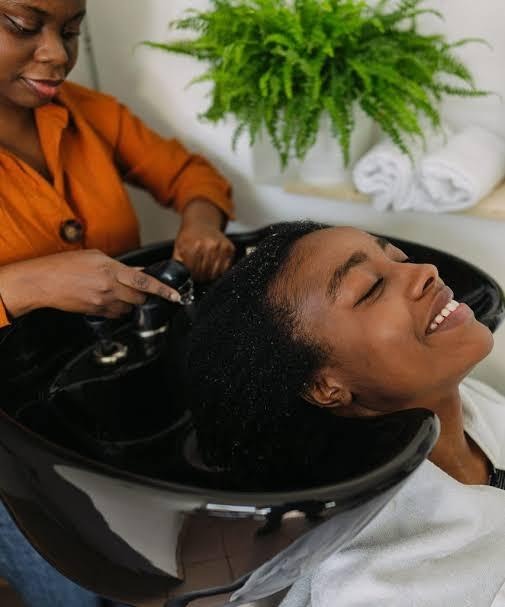


The step is neutralising. It comes after the exciting part, when the hair already looks straight and everyone is ready to move on, and it’s where relaxer results are quietly won or lost. Done properly, the relaxer neutralising step stops the chemical and settles your hair back where it should be. Rushed, it leaves hair that looks fine on the day and starts breaking weeks later.
What Neutralising Actually Does
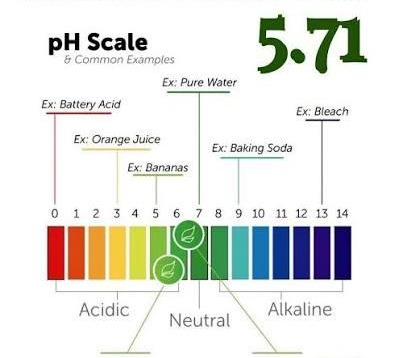
A relaxer works because it is strongly alkaline, with a relaxer pH usually somewhere around 12 to 14. Healthy hair sits on the acidic side, at roughly 4.5 to 5.5. That alkalinity swells the hair shaft, lifts the cuticle and breaks the bonds that hold your curl, which is exactly what you paid for and exactly why the chemistry can’t be left to go on beyond the recommended time.
Neutralising shampoo has two jobs. It removes the relaxer and stops the chemical action, and it helps bring the hair back toward its normal acidic range so the cuticle can settle.
Why Rinsing Alone Is Not Enough
Water takes off the cream you can see, but it doesn’t reliably clear what has soaked into the strand, and at a neutral pH of about 7, no amount of it will bring strongly alkaline hair back to acidic. Rinsing relaxer properly still matters because it removes the bulk of the product. The trap is that well-rinsed hair feels clean and slippery, so it seems finished. It isn’t.
What Incomplete Neutralising Does to Your Hair
Incomplete neutralising leaves the hair alkaline after you’ve walked out of the salon. The cuticle stays raised, moisture escapes, and the hair keeps weakening for days, even though nothing visible is left on your head. It feels dry and rough however much cream you use.
Then, two or three weeks later, the breakage starts. Short pieces land on your shoulders, the back edges thins, and the comb comes away full after wash day. By then the retouching is old news, so almost nobody connects the two, and the weather or a new comb takes the blame for what was really a rushed few minutes at the basin.
So what happens if you do not neutralise a relaxer at all? The chemical keeps working on hair and scalp until something stops it, and severe breakage and irritation are the likely result.
How It Should Be Done
This is how to neutralise relaxed hair, at the salon or at home. Timings and the number of washes vary between products, so follow the directions supplied with your relaxer, MegaGrowth Relaxer included.
Rinse Longer Than Feels Necessary
Use lukewarm water until every trace of cream is gone, then keep going for a few more minutes. Lift sections so water reaches the scalp at the crown and the back. Residue that gets missed usually sits underneath, where the water just runs over the top.
Lather, Repeat, and Watch the Colour Indicator
Kits sold as a neutralizing shampoo relaxer pack include that shampoo for a reason, so use it instead of your regular one. Work it through gently with the pads of your fingers, rinse, and repeat.
Many neutralising shampoos have a colour indicator, and the lather changes colour while the relaxer is still present. The MegaGrowth kit, for example, tells you to keep going until the lather turns white. That answers how many times should I use neutralising shampoo: as many rounds as it takes to get there, which on thick hair can be three or more. If yours has no indicator, follow the number of applications on the pack and don’t cut it short.
Work the Nape and Behind the Ears
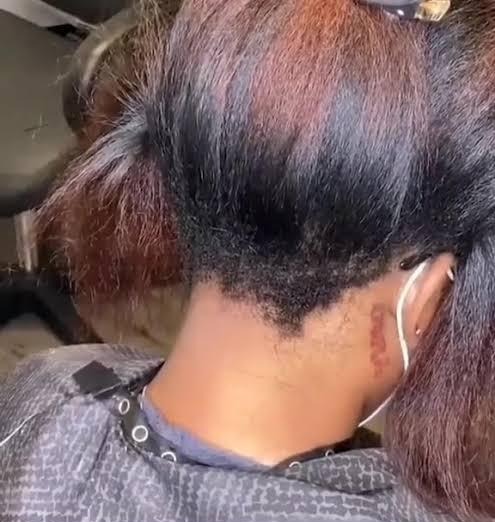
These are the spots that get missed, because they’re awkward to reach at a basin and residue collects low on the head. They’re also where post-relaxer breakage shows up most. Ask your stylist to tilt your head and give them, and the temples, real time.
Condition Before You Leave
Conditioning is the first relaxer aftercare step while freshly relaxed hair is at its most fragile.
MegaGrowth Deep Conditioner, a blend of oils and proteins made to strengthen hair, goes on under a plastic cap for 10 minutes and is rinsed out. Breakfree Leave-In Strengthener then goes onto towel-dried hair, worked from roots to ends. Both are part of the MegaGrowth hair care range, and can be used for chemically treated hair.
How to Tell It Was Not Done Properly
Some signs show on the day. If the rinse and shampoo together were over in a few minutes, or your hair was shampooed only once and nobody checked the lather, be suspicious. Hair that still feels slimy after the final rinse is another sign. A scalp that keeps stinging once you’re home should be rinsed again with plenty of water, and any blistering or burn needs a doctor.
Other signs take weeks, such as breakage concentrated at the nape and hair that stays rough no matter what you apply. If you’ve been wondering why does my hair break after relaxing, look first at those few minutes at the basin. Our guide to the common causes of hair breakage covers the other suspects.
What to Ask For at the Salon
Saying this out loud in a busy salon on a Saturday, with three clients waiting, isn’t easy. These phrases help:
- “Please keep going with the neutralising shampoo until the lather comes up white.”
- “Can you spend extra time on my nape and behind my ears?”
- “I’d like a conditioner before I leave. I don’t mind waiting.”
Book an early or weekday slot if you can. This is the step that gets shortened when the salon is full and the next client is constantly checking her time. If you bring your own kit, hand over the neutralising shampoo along with the relaxer.
FAQs
What happens if a relaxer is not neutralised properly?
The hair stays alkaline after the appointment, so the cuticle remains raised and the hair keeps weakening for days. The usual result is dryness and breakage that appears two to three weeks later, most often at the nape and behind the ears.
How many times should neutralising shampoo be used?
Use it until all the relaxer is out. With a colour-indicator shampoo, keep lathering and rinsing until the lather comes up white, which can take three or more rounds on thick hair. Without an indicator, follow the number of applications on the kit.
Why does my hair break in the weeks after a relaxer?
Incomplete neutralising is a common cause, because leftover alkalinity keeps weakening the hair after you leave the salon. Overlapping relaxer onto previously relaxed hair, skipping conditioning and rough handling of freshly relaxed hair also cause breakage in the following weeks.
Before You Leave the Basin
A relaxer appointment isn’t over when the hair looks straight. Stay for the full rinse and neutralise, make sure the nape gets its share, and leave conditioned. For the conditioner and leave-in that come after the relaxer neutralising step, shop the MegaGrowth range at The Diva Shop.