
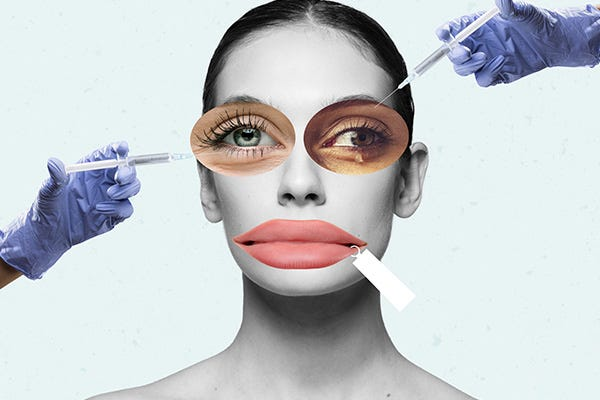

Every few months, a conversation rises on social media about the conventional body type or beauty standard in Nigeria, and it has us wondering whether there is one and whether people are actively chasing it.
What Are Beauty Standards?
Beauty standards are social ideals and beliefs that often define and guide what is considered physically attractive. Often, beauty standards change over time and have historically evolved, impacting society in different ways. Beauty standards contribute to declines in self-esteem and confidence and push people to believe they must look a certain way to be considered attractive.
Is There a Beauty Standard in Nigeria?
The Nigerian society is one that thrives on differing beauty standards; while there is an ideal body type that is often worshipped, the average body type in Nigeria is shamed. The most commonly asked question is whether the Nigerian beauty standard favors fat or skinny people in Nigeria, and the response to that is not a one-dimensional argument.
In Nigeria, skinny or fat people are dismissed or bullied, with fat people facing more systemic oppression due to their body type. So, while Nigeria has a beauty standard, it does not reflect what the average Nigerian looks like.
What Are Nigerian Beauty Standards?
Nigerian beauty standards often focus on an appreciation of a woman with a curvy, full-figured body type while rejecting any form of ‘fatness’ in the curves. While often valuing lighter skin tones due to colonial history, contemporary trends increasingly embrace natural, diverse beauty, including glowing, melanin-rich skin, while maintaining a strong preference for a voluptuous, hourglass shape.
However, most men are excluded from the beauty standards due to the patriarchal society that does not demand men look a certain way, unlike Nigerian women.
A Guardian article wrote that “it can be a lot to take in, especially as we are all on the journey of accepting realistic bodies, bodies that come with the extra skin here and there, body fat in healthy places, stretch marks, and hip dips.” Further pointing to the fact that typical Nigerian beauty standards do not fully reflect the country’s average body types.
Should Beauty Standards Be Encouraged?
Although it is not a straightforward conversation, beauty standards make people doubt themselves. More often than not, a society where the common beauty standard is the defining factor of the attractiveness of a person can push people to take matters into their own hands by not only undergoing surgery to alter their looks but also becoming addicted to medications that eventually cause harm to their system. While it is important to encourage a healthy lifestyle for everyone, beauty standards are not the defining factors for a healthy body type.