
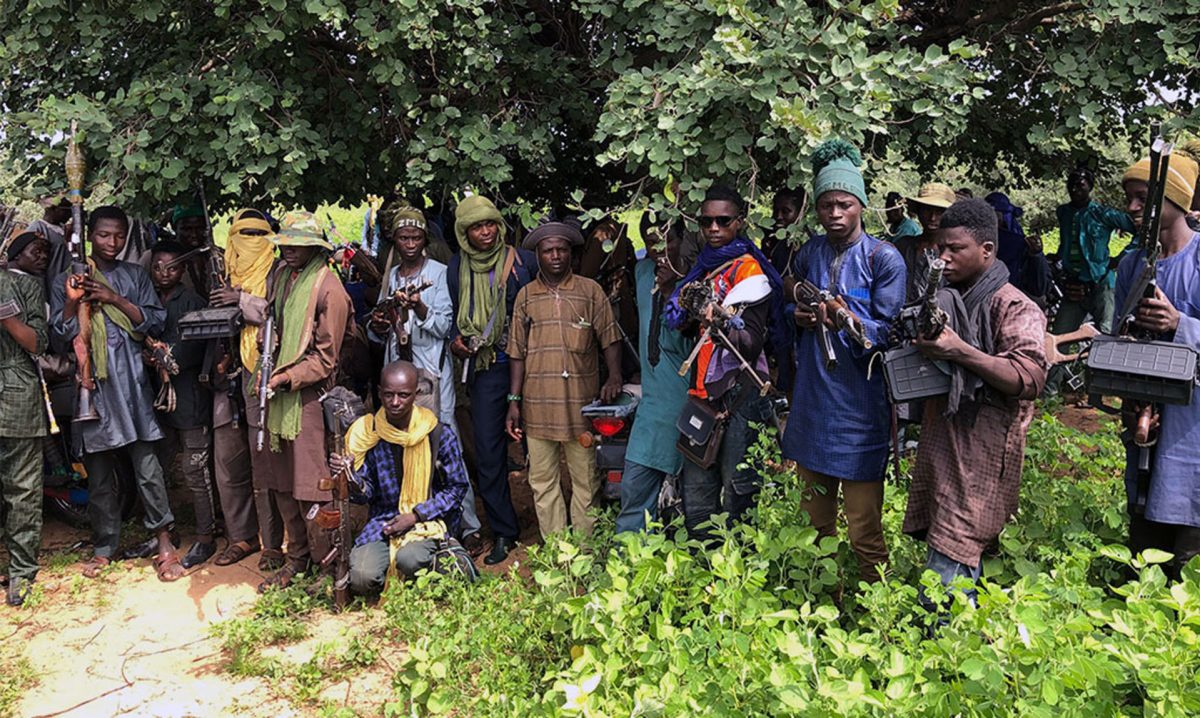

Yesterday was Children’s Day, yet some children have been in captivity for almost two weeks, casting doubt on the holiday’s celebration. May 27, 2026, was not only Children’s Day but also Eid-el-Kabir.
While one half was celebrating, another was in chaos, struggling with the fear of not knowing if their loved ones were safe from kidnappers, and the president remained silent about any solution, even as he acknowledged the crisis.
In his statement, he shared that the children kidnapped in Oyo had not been forgotten.
“The government would improve reintegration and support services for children rescued from abduction, violence, and displacement, including access to healthcare, counselling, education, and rehabilitation,” he added.
How Did We Get Here?
According to Save The Children, at least 10 school kidnappings have occurred across Nigeria in less than two years, affecting about 670 children, in a worsening school-safety crisis that has put the lives and well-being of students at grave risk.
The kidnapping in Nigeria has become a systematic phenomenon and a part of the daily happenings, with no effort from the ruling class to take action against the kidnappers. The president has either chosen silence or reacted with greater jubilation, focusing on his win in the APC primary elections.
The high rate of insecurity did not begin in the last few years but instead is a historical phenomenon that has only evolved over time due to the government’s choice to either ignore or rehabilitate kidnappers. While the country has seen isolated kidnapping cases, mass abductions of citizens started becoming a conscious problem in the country in 2014 when Boko Haram kidnapped 276 school girls from a secondary school in Chibok, a pattern that has now become a national risk.
Although it began as a kidnapping, ransom, and release crime, it has grown into something much more devious, spreading from northern Nigeria to southwestern Nigeria, with the most recent case being 46 students and teachers from a school in Oyo State.
The Silence From The Presidency
Perhaps the most significant part of the problem is the silence on the part of Nigeria’s president, Bola Ahmed Tinubu, who took 12 days before he addressed the kidnapping and possible murder of the Oyo State children who have been in captivity for almost two weeks; however, it is not the first time the president has chosen the path of silence or dismissal in the face of insecurity and violence in the country; in fact, it has become an expected outcome.
The current administration has remained laser-focused on winning the 2027 elections and the ongoing campaigns for it, with no efforts being made to rescue the children in captivity who have to spend days in the cold and dreary forest. Perhaps the president has refused to comment on this issue because he is working discreetly and does not want information leaked; we can only surmise.
The current kidnapping case in Oyo is not the first time in recent years that children and adults in the country have been targeted by the kidnapping bandits plaguing the country. Other instances are the kidnapping of over 50 children from three schools in the same town in Borno State, the kidnapping and killings of civilians in Kwara State during a church service, and the horrifying massacre in Jos, for which the president had to be called out before he flew to the state and addressed the mourners at the airport.
There have been several instances of massacres and kidnappings in the country, and only a small number of them get attention from the president.
The Silence From The First Lady
Nigerians on social media have noted the silence of Remi Tinubu, the First Lady often called the “Mother of the Nation,” which contrasts with Patience Jonathan’s response. When the Chibok girls were abducted, the then-president’s wife actively called for their release, along with civilians and parents affected by the attack. In contrast, Remi Tinubu and the presidential office have remained largely silent.
The Impact of Ongoing School Kidnappings on Education in Nigeria
The country’s education sector, which has been hit hard and will continue to be hit by the ever-growing insecurity crisis, is the education system. Here’s how:
- Parents Will Choose To Keep Their Children Home
Due to the constant school kidnappings and massacres, more parents will be inclined to ensure their children remain home to make sure they do not become victims. This will, in essence, impact education in the country, as more children will be out of school.
- Ghost Towns Will Spring Up
The kidnappers behind these attacks frequently target certain towns multiple times. Families who want to avoid becoming victims may choose to relocate, which can displace children from their schools. This sudden move leaves children in limbo until it is safe to return, a situation that might never occur.
- Commuting Becomes a Security Risk
For students who have to make long road trips from their homes to school, and vice versa, it will become harder as parents will prefer having their children home to having them be kidnapped or, worse, killed. This will inadvertently impact the education sector and reduce the number of Nigerians in school.
How Can We Solve The Kidnapping Problem In Nigeria?
There are a number of solutions for the kidnapping crisis Nigeria is currently facing, and they are;
- Reformation Of Law Enforcement
The most important solution needed to solve kidnapping in Nigeria is the reformation of law enforcement in the country. When the security agents have better funding and are equipped with better tools and training to help them combat kidnappers, the victims have a better chance at survival, while also reducing insecurity in the country.
- Enforcement of Strict Laws
Enforcing strict laws against killers and kidnappers will send a message. The creation of open trials and judgment against kidnappers will not only put the minds of civilians at peace but also instill fear in the minds of the kidnappers.
- Technology Upgrades
Security agencies must utilise advanced communication tracking, drones, and digital surveillance to monitor and dismantle kidnapping rings. Strengthening the National Identity Number (NIN) policy and enforcing rigorous SIM card registration helps prevent anonymous communications.
What do we think?
Although it is a good place to start, insecurity in the country will not ease with social media call-outs from the ruling class but rather with action taken by the presidency. The insecurity has continued to grow due to the ruling political party’s lax approach to people’s suffering; change can only truly begin with the government and its decision to protect its citizens.