

- House of Representatives Passes State Police Bill
- Senate Orders Arrest of Bandits Flaunting Cash on TikTok
- Nigeria Exceeds OPEC Quota as Oil Production Reaches 15-Month High — NUPRC
- US Warns Influencers Covering 2026 World Cup They Risk Deportation for Unauthorised Paid Content
- Babajide Sanwo-Olu Hosts David Oyelowo, Discusses Growth of Lagos Creative Industry
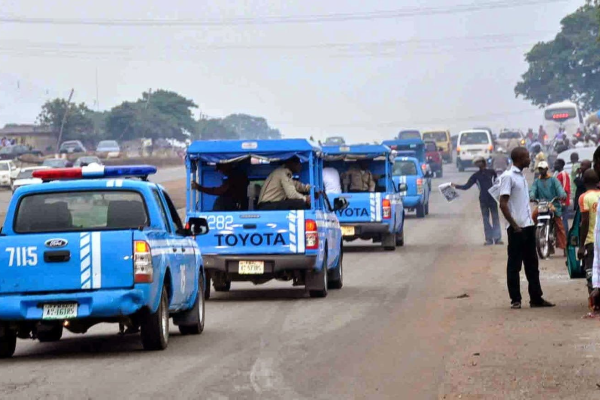
House of Representatives Passes State Police Bill
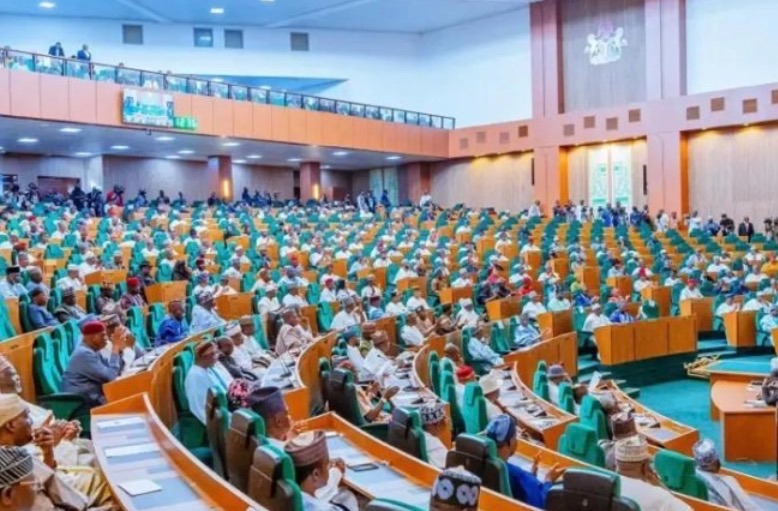
The House of Representatives has passed the constitutional amendment bill seeking to establish state police in Nigeria, marking a major step toward decentralising the country’s policing system. The bill proposes moving policing from the Exclusive Legislative List to the Concurrent Legislative List, allowing states to create and control their own police forces. Lawmakers argued that the reform is necessary to address worsening insecurity, including terrorism, banditry, kidnapping, and violent crime, which many believe the centrally controlled police structure has struggled to contain. The proposal still requires approval by the Senate, endorsement by at least two-thirds of the 36 State Houses of Assembly, and presidential assent before it can become law.
Senate Orders Arrest of Bandits Flaunting Cash on TikTok
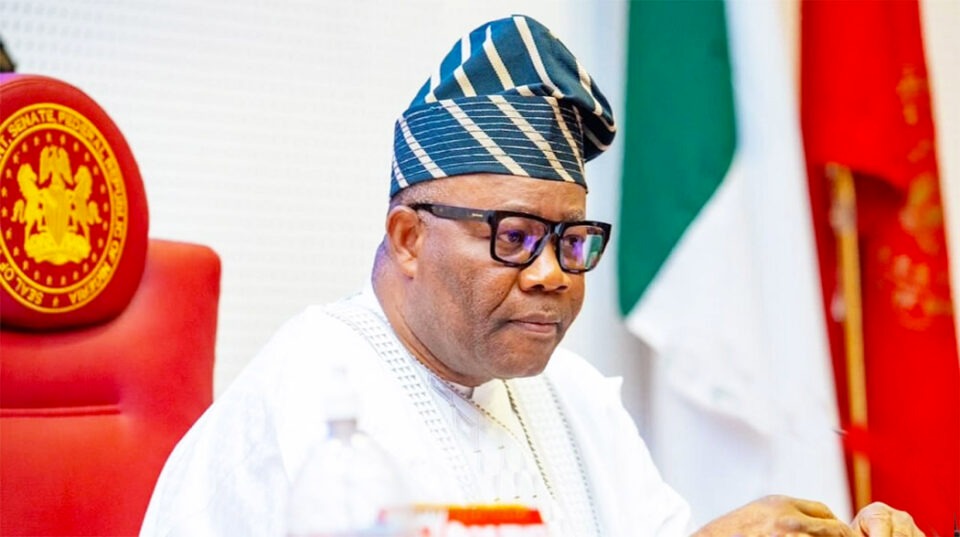
The Senate has directed security agencies to immediately track down and arrest bandits and kidnappers who have been using TikTok and other social media platforms to openly display ransom proceeds, weapons, and details of their criminal activities. Lawmakers described the videos as a dangerous display of impunity that glorifies crime, intimidates citizens, and undermines national security. The directive follows public outrage over viral livestreams and videos showing suspected bandits boasting about kidnappings and displaying large sums of cash allegedly obtained from ransom payments. Senators urged security agencies to intensify cyber surveillance and ensure those responsible are apprehended and prosecuted.
Nigeria Exceeds OPEC Quota as Oil Production Reaches 15-Month High — NUPRC
The Nigerian Upstream Petroleum Regulatory Commission (NUPRC) has announced that Nigeria’s crude oil production rose to a 15-month high in May 2026, exceeding the production quota allocated to the country by the Organisation of the Petroleum Exporting Countries. According to the commission, improved security around oil facilities, reduced crude theft, and increased output from key producing fields contributed to the surge. The development marks a significant boost for government revenue and foreign exchange earnings, as the country continues efforts to revive oil production and attract investment into the petroleum sector. NUPRC said the achievement demonstrates the impact of ongoing reforms and collaboration between regulators, security agencies, and industry operators.
US Warns Influencers Covering 2026 World Cup They Risk Deportation for Unauthorised Paid Content
The United States has warned foreign influencers, content creators, and social media personalities planning to cover the 2026 FIFA World Cup that they could face visa cancellation, removal from the country, or future immigration restrictions if they earn money from content creation without the appropriate work authorisation. US immigration officials stressed that visitors entering on tourist visas are generally prohibited from engaging in paid employment, including sponsored content, advertising, brand promotions, or monetised coverage related to the tournament. The warning comes as authorities prepare for an influx of visitors ahead of the World Cup and seek to ensure compliance with US immigration and labour laws.
Babajide Sanwo-Olu Hosts David Oyelowo, Discusses Growth of Lagos Creative Industry
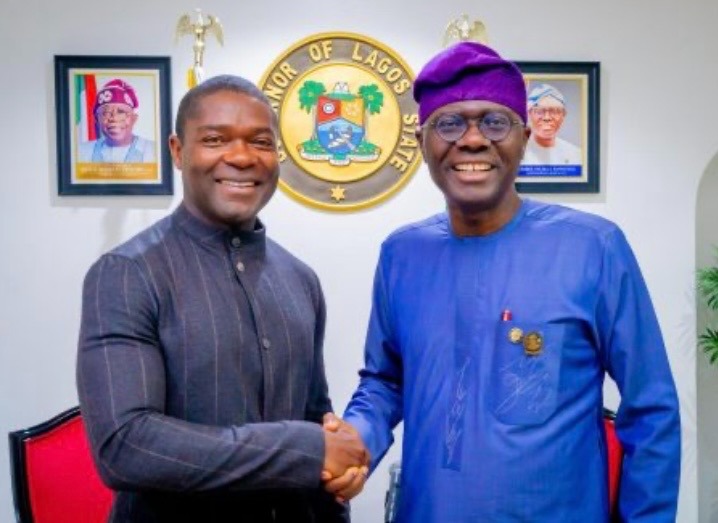
Lagos State Governor Babajide Sanwo-Olu hosted acclaimed actor and producer David Oyelowo at the Lagos House, where both men discussed opportunities to expand the state’s creative and entertainment sectors. The meeting focused on attracting more international film productions, strengthening infrastructure for filmmakers, developing local talent, and positioning Lagos as a leading creative hub in Africa. Sanwo-Olu reiterated his administration’s commitment to supporting the film, television, music, and digital content industries, while Oyelowo highlighted the global potential of Nigerian storytelling and the importance of continued investment in the creative economy.