
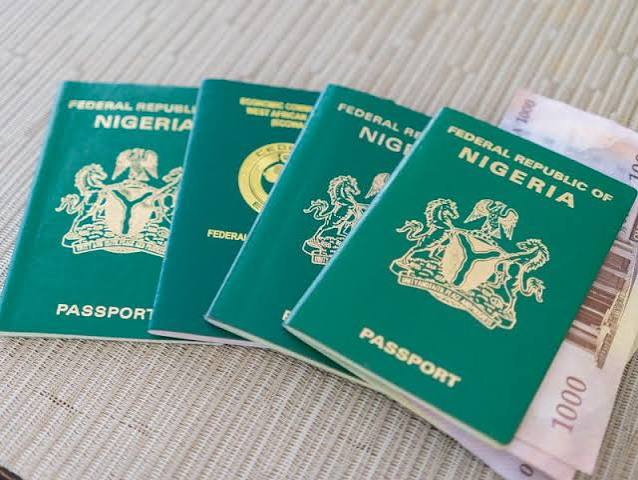


Mavo was scheduled to perform at Afro Nation Portugal this past weekend. Instead, he missed his performance slot entirely due to administrative visa delays. It is a familiar crisis that continues to disrupt the careers of African musicians and performing artists despite the global triumph of Afrobeats. Nigerian acts routinely sell out international arenas and anchor major festival flyers, but navigating immigration bureaucracy remains one of the most unpredictable challenges in the music business. Mavo’s empty slot highlights a stark truth. A massive gap separates Africa’s growing cultural power from the restrictive mobility of its passport holders.
This lack of mobility limits the commercial growth of emerging talent. When a Western embassy holds a passport for months, a promoter faces direct financial losses and an artist loses a rare window of global exposure. These recurring cancellations prove that cultural relevance does not automatically translate into diplomatic leverage. Even though recent data shows that Nigeria ranks as an improved visa-friendly nation within regional borders, the global pathways to Europe and North America remain locked behind rigid processing frameworks.
Entertainment executives are forced to plan international tours with constant anxiety. A production company cannot comfortably budget an expensive arena show when the headline act might be stopped at the border. This systemic friction leaves African talent operating at a disadvantage compared to Western peers who travel seamlessly to monetise their art globally. Although updates confirm that the Nigerian passport gained minor visa-free access in global rankings, these small additions do not cover the critical entertainment hubs of the global North.
Fixing this barrier requires structural diplomatic intervention. Independent management teams can optimise applications and file paperwork months in advance, but individual preparation cannot fix a biased global immigration framework. Policymakers must actively integrate creative mobility into bilateral trade discussions. Until international visa policies recognise the economic reality of the modern music touring circuit, African creators will continue to watch their global opportunities disappear from afar.