


News of a suspected or confirmed Ebola case can understandably cause concern, especially when misinformation begins spreading across social media. However, understanding how the virus spreads and following verified public health advice can help you protect yourself without succumbing to panic.
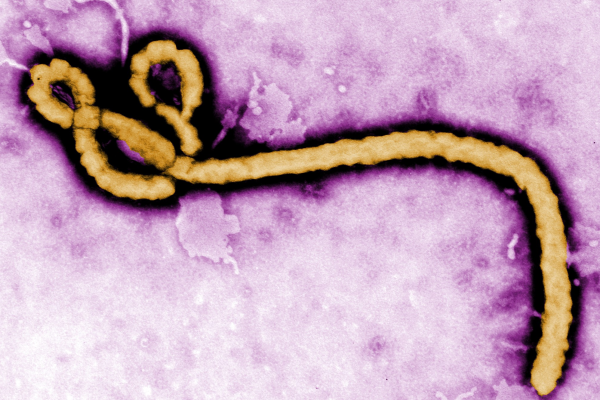
Ebola is a serious viral disease that spreads mainly through direct contact with the blood or other bodily fluids of an infected person showing symptoms, or through contaminated objects. It can also spread through contact with infected animals.
Here are seven important precautions.
1. Avoid Contact With Bodily Fluids
Ebola can spread through direct contact with the blood, vomit, stool, urine, saliva, and other bodily fluids of an infected person. Avoid contact with these fluids, particularly if someone is suspected of having Ebola.
Do not attempt to care for a suspected patient without appropriate protective equipment and guidance from trained health workers.
2. Take Symptoms Seriously
Symptoms of Ebola can include fever, fatigue, headache, muscle pain, vomiting, and diarrhoea. However, these symptoms can also occur with other illnesses, so they do not automatically mean someone has Ebola.
If someone is unwell and may have been exposed to the virus, avoid direct contact with their bodily fluids and encourage them to seek medical attention.
3. Practise Good Hand Hygiene
Wash your hands regularly with soap and clean water, especially after using the toilet and before preparing or eating food. An alcohol-based hand sanitiser can also help when your hands are not visibly dirty and soap and water are unavailable.
Good hand hygiene helps reduce the spread of infectious diseases, although it does not replace the need to avoid direct exposure to Ebola.
4. Avoid Handling Potentially Infected Animals
Ebola can spread to humans through contact with infected wild animals, including certain bats and non-human primates. Avoid handling sick or dead wild animals, and do not consume animals that may be infected.
Follow public health guidance on food safety and animal handling, particularly during an outbreak.
5. Handle and Store Food Safely
Keep food covered and stored properly to prevent contamination. Wash fruits and vegetables with safe water, and cook meat thoroughly.
Although safe food storage supports general hygiene, no evidence suggests rats are a typical source of Ebola transmission in Nigerian homes. The main concern is avoiding contact with infected animals and contaminated materials.
6. Avoid Sharing Items That May Be Contaminated
Objects contaminated with the bodily fluids of an infected person can transmit Ebola. Avoid sharing needles, razors, or medical equipment, and do not handle potentially contaminated clothing or bedding without appropriate protective measures.
Ordinary social contact, such as sitting beside someone or sharing a public space, does not transmit Ebola on its own.
7. Seek Medical Advice If You Suspect Exposure
If you develop symptoms after possible exposure to Ebola, contact your local health authorities or a health facility immediately and explain your symptoms and potential exposure.
Call ahead before visiting a facility so health workers can advise you on the safest next steps. Avoid close contact with others while awaiting guidance, and do not attempt to diagnose or treat yourself.
What We Think
Ebola prevention begins with accurate information, sensible precautions, and a timely response to suspected exposure. Nigerians should rely on official health advisories rather than unverified social media posts, and avoid stigmatising people based on where they live or whether they have travelled.
Staying informed is important, but panic and misinformation can make an already difficult public health situation worse.