
A new and trending sound is taking over the Nigerian media space, and many people are tagging it “Yorubapop”. While the concept of “Yorubapop” would be an interesting addition to the country’s music genres, especially as Amapiano begins to feel fatigued, is it a new sound, and can it really be called “Yorubapop”?
What Is Yorubapop?
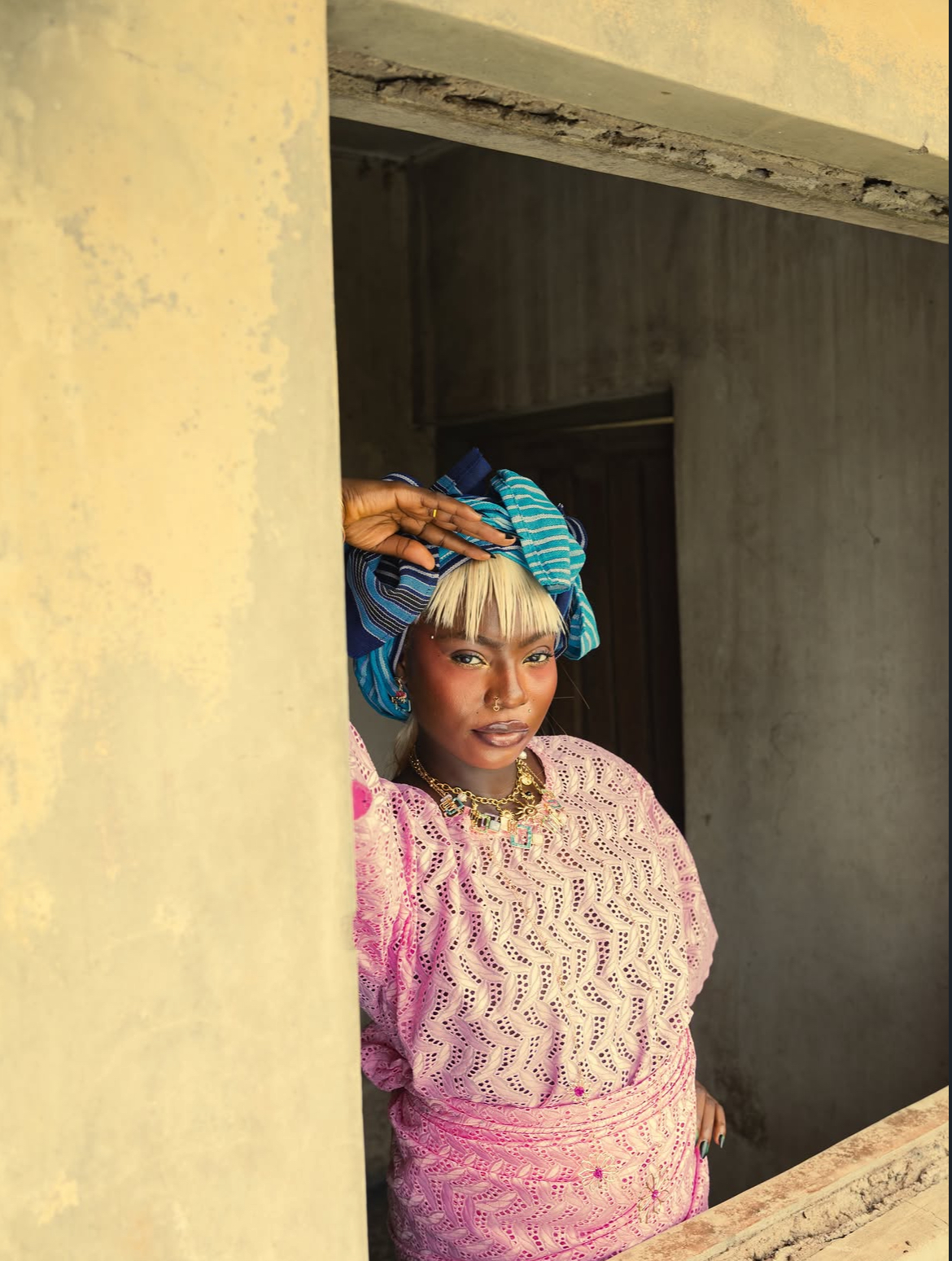
Like many of us, you might have wondered about the meaning of “Yorubapop” when you first heard it. Currently, “Yorubapop” refers to pop music featuring entirely Yoruba lyrics, combining traditional Yoruba rhythms with contemporary pop, electronic sounds, and Afrobeats. This term and movement are driven by emerging Lagos-based artists such as Solana, who gained attention with tracks like “Okunkun.”
While Yoruba pop might sound like an exciting new sound, is it really new, and is “Yorubapop” the right name for it?
Artists Leading The New Yorubapop Wave
The new “Yorubapop” emergence into mainstream music has singers at the forefront of it, and they are:
- Solana
Solana is at the forefront of the new “Yorubapop” wave due to the virality of her songs “Okunkun” and, most recently, “Dide.” Solana’s sound and aesthetics are best described as uniquely Yoruba, traditional and new, yet also drawn from the traditional essence of “Afrohouse.”
- Faith Martins
Similar to Solana, Faith Martins gained attention on social media for her song “Daju”, which not only has fully Yoruba lyrics but also features traditional Yoruba beats that lean into the “Afrohouse” essence. The traditional yet modern soundscape Faith explores leans into a sound that existed before but is just now receiving mainstream attention. Here’s how;
What does Yorubapop draw inspiration from?
The artist Solana began calling her sound “Yorubapop”, but it might serve as a limitation towards her artistry and here’s why:
- Yorubapop Is Similar to Afrohouse
A sound like the new trending “Yorubapop” has always existed but has only gained prominence in rave spaces. The sound is typically referred to as “Afrohouse,” a subgenre of electronic dance music that blends the steady four-on-the-floor beat of classic house music with rich, polyrhythmic African percussion, traditional instruments, and soulful vocal chants, all evident in Solana’s viral track “Okunkun.”
- It Boxes Yoruba Artists
The creation and popularity of music or sounds inspired by the use of a traditional language limit other genres of music created under the language to being represented by a single name, “Yorubapop.” Artists like Olamide, who built a career rapping in Yoruba, cannot have their rap termed “Yorurap”; it is simply rap music made in their indigenous language and falls under the rap genre. When these artists placed under the “Yorubapop” umbrella feel the need to explore and expand their genre, they’ll receive pushback for not following the path set by the genre established for them by the masses.
- Yorubapop Builds From Already Existing Artists
It builds on a long history of Yoruba-led popular sounds in Nigeria, drawing on traditional roots like Fuji and Juju, as well as modern street-pop styles seen in artists like Asake, Yimeeka, Niniola, and many more. If “Yorubapop” is built off the existence of artists who have already created careers by using their indigenous language, is it really a new sound? Or just a new word being used to describe a new artist?
How The Existence of “Yorubapop” Could Erase The Impact of Legendary Traditional Artists.
The existence of “Yorubapop” as a genre could lead to other artists who sing in other traditional languages like Igbo, Hausa to feel the need to also create distinctive names for themselves when “Afrohouse” already covers that sound. It could also erase the impact of artists like Phyno and Ice Prince who have spent years putting out music in their traditional languages.
It also puts traditional music in a limited box that does not acknowledge the existence of other genres created with traditional language. These genres already have a name, and they are sometimes Afrohouse, rap and afrobeat that have already been carried by other mainstream artists.
Why Is “Yorubapop” Making Waves In The Industry?
The music industry thrives on new sounds, which, while they may have existed for years, are not mainstream. The breakout of Solana with her track “Okunkun” is how many Nigerians have come in contact with “Afrohouse,” and for these individuals who were not aware of this soundscape, an artist mixing soulful Yoruba lyrics with electronic pop music is something new and fresh in an industry where the same sounds are the major influences in mainstream music.
The existence of a sound like “Yorubapop” also feeds the hunger of Nigerians who enjoy music in their language, and although these artists have always existed, the virality of Solana’s track has put her in conversations where mainstream music is being discussed, thereby drawing the attention of music listeners to her and connecting her to an audience that is desperate for something new.
What do we think?
The emergence of a new sound is an exciting addition to the Nigerian music scene, and while it may draw from Afrohouse, artists who choose to release music under this genre are only paving a path for themselves that should be encouraged rather than discouraged.