

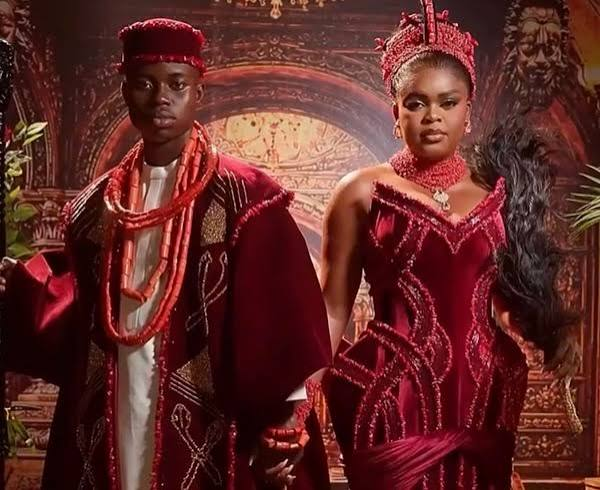
When TikTok stars Habeeb Hamzat (Peller) and Amadou Elizabeth Aminata (Jarvis) exchanged vows in Lagos, dominating today’s top daily headlines, the spectacle extended far beyond a traditional ceremony. The occasion operated as a full-scale media production. From real-time livestreams on Twitch and YouTube to public announcements of high-value gifts, the celebration demonstrated how top digital creators reframe personal milestones into lucrative entertainment assets.
The scale of audience engagement relied on deliberate campaign strategy. Weeks before the main ceremony, the couple deployed the #JP2026 hashtag across social channels, generating pre-event algorithmic momentum. On the ground, celebrity guest arrivals functioned as deliberate viral hooks. Showmen like Pretty Mike arriving with a staged medical team and socialites like Cubana Chief Priest pledging multi-million naira gifts turned every hour of the reception into separate clips for social feeds.
That visibility generated massive commercial opportunities for participating vendors and corporate sponsors. Stylists and production crews turned the venue into a live showcase broadcast to millions of concurrent viewers online. Publicly announced presents, including a luxury Abuja mansion and land allocations, further highlighted how creator weddings operate as commercial trade shows. Brand partners secured instant impression volume across the entertainment industry.
This shift reflects broader structural changes in digital monetisation. Modern creators build influence by turning personal narratives into content. Moving a relationship from daily livestreams to a civil ceremony and traditional wedding converts personal intimacy into measurable financial equity. Online audiences are no longer spectators. They behave as invested consumers tracking an ongoing reality series, driving engagement metrics that secure long-term brand equity.
The event also ignited debate regarding where public content ends and private life begins. Industry observers and fellow streamers questioned whether organising personal milestones for maximum digital reach dilutes genuine celebration. When every vow and gift presentation is optimised for audience retention, the union transforms from a social contract into an enterprise asset engineered for continuous online dominance.
Peller and Jarvis have established a clear framework for the future of digital influence. By converting their wedding into a major online event, they proved that creator milestones can command the same media space as corporate entertainment launches. Within the broader creative economy, private celebrations are no longer isolated personal events. They are strategic media campaigns designed for maximum cultural reach.