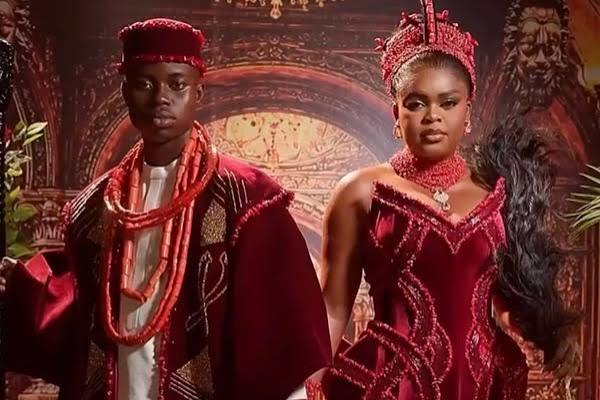
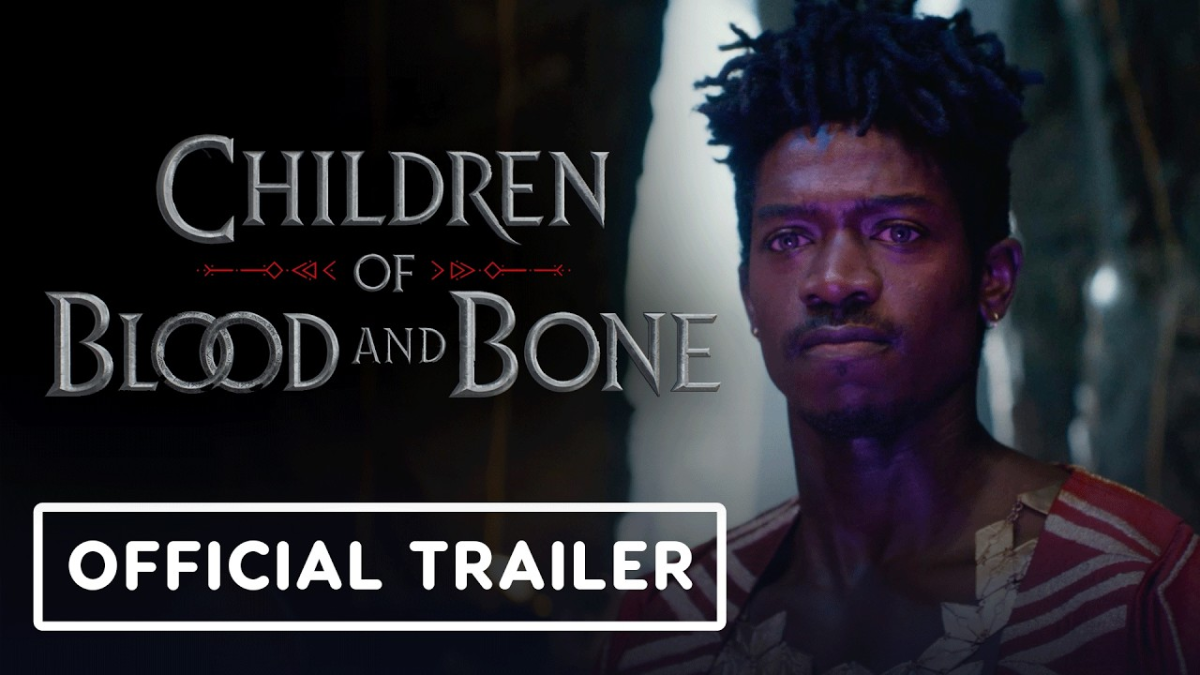

The trailer for the highly anticipated adaptation of the Nigerian-inspired fantasy “Children of Blood and Bones” was released recently, and while it received praise for how good it looks, the internet has pointed out that it looks a lot like a trailer for “Black Panther” or “The Woman King,” and we wonder why that is.
The similarity issues between “Children of Blood and Bone” and “Black Panther”
Black Panther’s status as one of the most beloved superhero stories by Africans, due to the characters being from a fictional African country, and the success of the “Black Panther” films have opened up a world where Hollywood writes African fantasy stories with a specific theme and world-building in mind.
This theme is also evident in “Woman King,” where the actors all speak with a made-up African accent and a safari-themed outlook on what Africa looks like. The adaptation of “Children of Blood and Bones” reflects the exact sentiments that have continued to spread around Hollywood about what truly reflects the African world.
While it is important that more African-inspired films make their way to the Hollywood audience, it is problematic that the stories told of Africa, even in fantasies, do not truly reflect the reality of the content.
At a point, the made-up accents, the elaborate outfits and the location choices start to feel more like mockery, than representation of the African identity, and due to these reasons and the preconceived notions of what an African film looks like, even in films with a different storyline and world building, there are obvious similarities that are driven by the warped beliefs Hollywood seems to hold towards Africans and Africa.
The main reason for the similarities between the two films is simply how Black speculative fiction is forced to exist and operate within an industry with a predominantly white audience.
What do we think is the solution to this problem?
Although it is important that African stories are told through the adaptation of these books, it is equally important that the African stories the world sees are true to the reality of African culture. The solutions to the erasure of real African culture are:
- Uplifting well-executed African stories
To ensure that Hollywood learns to adapt African stories without whitewashing them, it is imperative that African cinema, which is true to our culture and society, attains success. When our films succeed and gain an international audience who are interested in seeing African stories told exactly as they are, it creates a society where Hollywood directors are forced to pay more attention to authenticity.
- Highlight African authors and filmmakers contributing to the erasure of our identity
Oftentimes, when films that erase African identity or culture, while also taking from that culture and identity, are made, there is an African creative behind them who benefits from the film’s existence. While it is important that African creatives take up space in Hollywood, it is equally important that their presence advances the goal of telling stories true to our culture, rather than stories that fit us into a box.
- Pushing for the adaptation of books by Nollywood filmmakers
It is crucial that more of our books and stories are adapted by individuals deeply connected to the Nigerian identity. To accurately represent stories featuring the Nigerian dialect, settings, cities, and world-building, we need more Nigerian filmmakers who have experienced this reality to lead these adaptations.
What do we think?
It is impossible to know for certain whether “Children of Blood and Bones” is completely similar to “Black Panther” until the film is in cinemas, but the existence of a film like “Woman King” shows that Hollywood has become accustomed to making African stories look a certain way, and the “Children of Blood and Bones” adaptation may be no different, especially given what we have seen in the film’s original trailer.