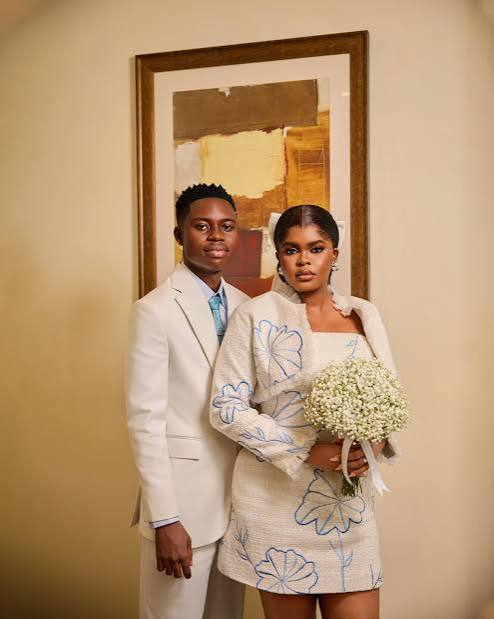

A decade ago, a wedding capable of halting national conversation belonged exclusively to hit-making musicians or Nollywood icons. This weekend, TikTok creators Habeeb Hamzat (Peller) and Amadou Elizabeth Aminata (Jarvis) claimed that exact cultural space, leading daily headlines. Their star-studded ceremony in Lagos brought together veteran actors and global internet figures, proving that digital creators have moved from the margins of pop culture directly to its centre. Celebrity status in Nigeria no longer requires studio contracts or terrestrial broadcast backing.
The shift exposes a fundamental change in how Nigerian audiences connect with fame. Traditional stars maintained authority through distance, appearing only on screens or red carpets. Digital creators build influence through direct accessibility. By streaming daily interactions and sharing relationship milestones, creators cultivate an intimacy that legacy media cannot replicate. Followers viewed the ceremony as the natural culmination of a public story they had tracked in real time for years.
This access has completely restructured the mechanics of the entertainment industry. Traditional talent agencies used to dictate who became a household name. Internet platforms democratised that authority, giving creators direct distribution to millions of smartphones across the country. Brands and legacy stars now actively seek partnerships with digital figures to access their hyper-engaged communities. A wedding that attracts multi-million naira gifts and international guests signals that creator reach now matches the commercial weight of traditional stardom.
The rise of the creator-celebrity also reshapes the economic reality of African pop culture. Digital personalities operate as self-contained media enterprises, converting audience attention into direct equity. Their weddings and personal milestones serve as major broadcasts, generating revenue through brand partnerships and platform payouts. Within the broader creative economy, influence is measured by the ability to command collective attention on demand rather than chart positions alone.
Legacy figures are adapting to this new landscape. Actors and musicians who once kept their personal lives guarded now collaborate directly with digital creators, recognising that internet viral moments drive modern relevance. The line between traditional celebrity and internet personality has dissolved. Digital creators are no longer secondary influencers operating beside mainstream media. They have become the mainstream media, setting the pace for how culture is consumed.
The spectacle of #JP2026 establishes a clear precedent for future entertainment figures. Cultural authority in Nigeria belongs to those who build and monetise direct relationships with their audience. As internet infrastructure expands and creator monetisation matures, the traditional path to fame will continue to recede. The new Nigerian celebrity has arrived, built entirely on digital independence and immediate public connection.