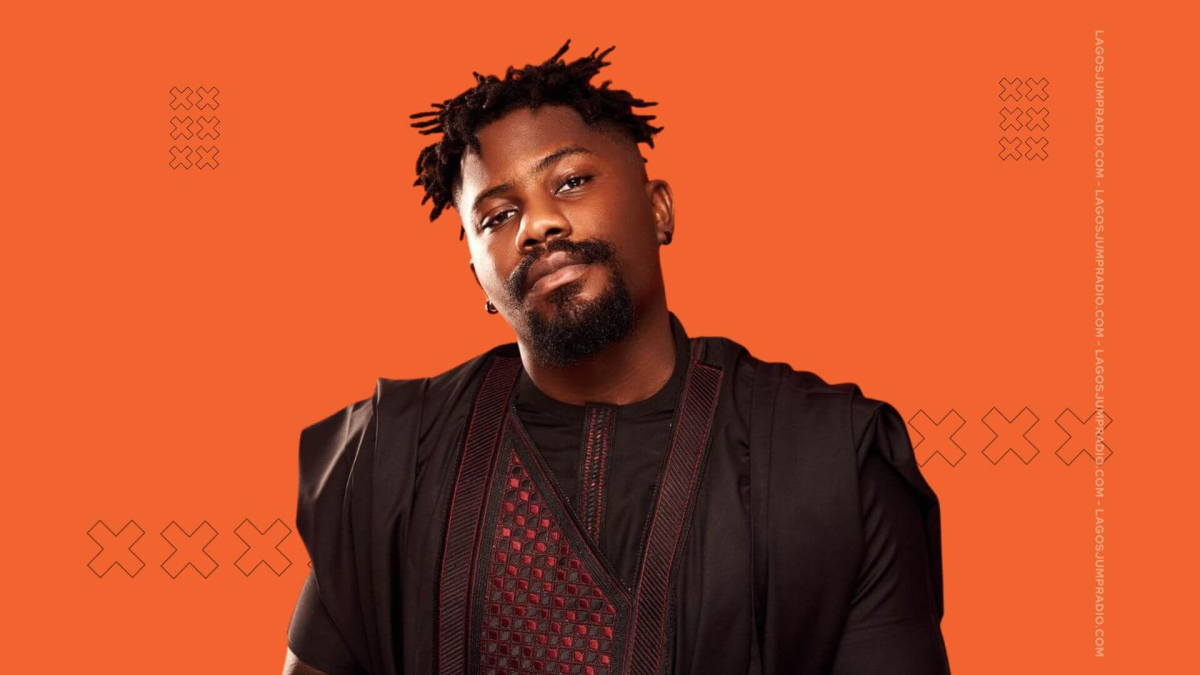

Nigerian rapper Ycee has been the center of a viral conversation on Nigerian social media on the miseducation and growing popularity of “brain rot” content in Nigerian media. The conversation has also unfolded into people wondering about the content of Ycee’s music and others confused about his artistry, but for us, Ycee was one of the artists whose sounds defined our 2010s, and here’s how he did it.
Ycee’s Start as an Artist
Ycee began his career around 2012 as an underground rapper in Festac, where he recorded mixtapes and freestyles before eventually signing with Tinny Entertainment. One of his mixtapes, “Remix Killah,” was well known in the underground scene, which was how he caught the attention of his then-record label. He, however, paused his path to music to study marine biology at the University of Lagos. However, he made his breakthrough in the music industry in 2015.
Ycee’s Musical Breakthrough
In 2015, Ycee came back into the scene with a musical collaboration with one of the biggest names of that year, “Patoranking,” and the duo released a song titled “Condo,” which was a strong comeback for him. Two months later, he followed up with what became one of the biggest street anthems titled “Jagaban.” After the success of “Jagaban,” he had the opportunity to make a remix of the song with legendary Nigerian rap artist Olamide.
What Followed After The Success Of Jagaban?
After the success of “Jagaban,” Ycee became a notable name in the rap scene in Nigeria, a feat he took on by releasing “Omo Alhaji,” a song that won him the “Rookie of the Year” award at the Headies Awards in 2016, but that was just the start of his career growth; the next few years were even bigger for the singer. In 2017, he released “First Wave” and the mega-hit “Juice” featuring Maleek Berry. It dominated Nigerian radio and helped him attain international attention, and in 2018, he sold out the O2 Academy Islington in London.
Ycee’s Break From Music
After going independent in 2019, Ycee left his longtime label, Tinny Entertainment, and launched his own label, ANBT (Ain’t Nobody Badder Than). What followed was the release of his debut studio album “Ycee vs Zaheer,” which was a nod to his identity as an artist and his identity outside of it. However, in 2020, Ycee shocked fans and supporters by taking a planned break from music, later revealing that he had been diagnosed with BPD (bipolar disorder) and the time off was for therapy and medical care.
Ycee’s Comeback and His Lyrical Prowess in Relation to “Olodo Uprising”
As part of his comeback rollout after more than half a decade away from the music industry, Ycee has been more outspoken recently. While his recent comment rubbed some people the wrong way, it has us wondering: did his music contribute to the “olodo uprising”?
Ycee’s music from his earlier days as an artist and even now has always focused on the Nigerian youth culture and the political scene in the country, and while an argument could be made for some of the lyrical content in his songs, one can say that he did not contribute to the “olodo uprising” culture he is critiquing, as his intelligence and grammatical eloquence were always shown in his artistry.
What do we think?
Ycee is one of the artists from this generation who have been consistent in their politics and criticism of the Nigerian youth culture. While the singer, in his glory days, had music that might have fallen into the trap of following trends, his politics and even his decision to step back to tend to his mental health show that he is the right person to start a conversation about “Olodo uprising” culture.