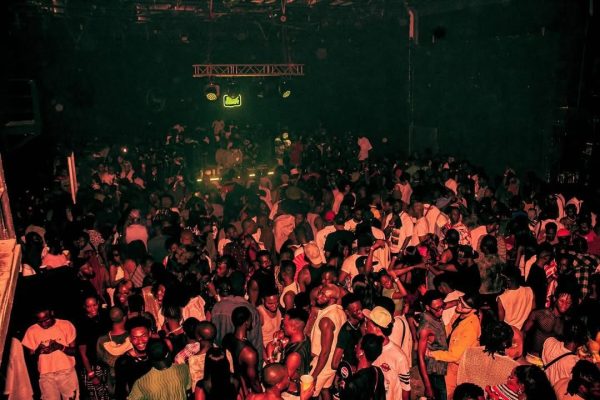
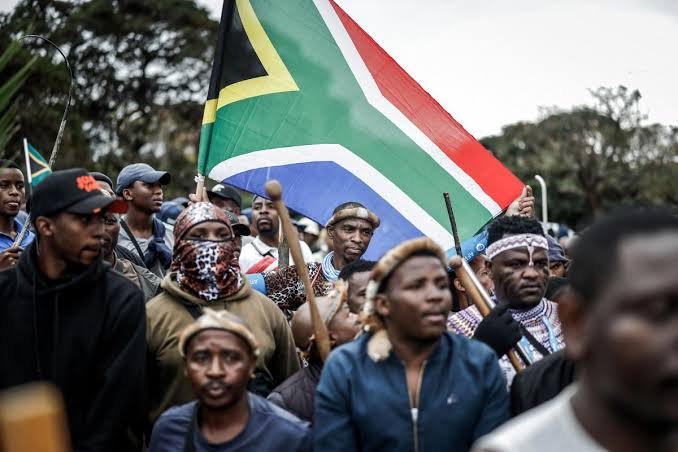


The June 30 deadline set by South African anti-immigration groups demanding that foreign nationals leave has triggered a deep chill across the continent’s creative corridor. The state has deployed police forces to prevent vigilante violence, but the spreading panic and voluntary repatriations are still fracturing the cultural exchange that once turned Johannesburg into a second home for West African performers. For mainstream Nigerian artists, this hostile climate turns the lucrative South African touring market into a massive logistical gamble. Planned arena tours and festival headlining slots now face immediate viability crises. The hurdle goes beyond strict visa enforcement by immigration authorities. The fear of localised violence makes hosting large-scale communal events a security nightmare for travelling crews and mixed-nationality audiences.
This freeze directly threatens touring revenue, which creates a major financial challenge because live performances secure the bulk of an artist’s income over digital streaming royalties. When political friction restricts cross-border movement, it stifles creative innovation and halts a shared commercial engine. Promoters cannot easily guarantee safety when public sentiment turns hostile, forcing management teams to pause bookings entirely. YNaija recently highlighted that this disruption hits at a critical time when live events form the economic lifeblood for African musicians trying to outpace low digital payouts.
Political polarisation is pulling apart the cross-border infrastructure that built the modern Afrobeats and Amapiano era. The global rise of these genres relied heavily on seamless travel and joint promotion between Lagos and Johannesburg. When borders become hostile, the cultural synergy stalls. The current strain forces a sudden pause on cross-border bookings, exposing how easily nationalistic politics can dismantle music collaborations. In an analysis of the relationship between the two music powerhouses, YNaija noted that underlying tensions between Nigeria and South Africa frequently threaten to disrupt what should be a highly profitable creative alliance.
For tour promoters and talent managers, this friction demands an immediate rerouting of live music itineraries away from the southern corridor. Relying on South Africa as a predictable tour stop is no longer a safe option for West African talent pipelines. Until regional integration policies can guarantee the physical safety of creators and their mixed audiences, the African live music circuit will remain fragmented. Promoters should prioritise alternative regional hubs, proving that political instability can quickly dismantle years of deliberate creative infrastructure building.