


Our oral traditions possess a beautiful, terrifying scale that rarely makes it past the pages of a first-draft script. A Nigerian odyssey demands far more than a basic road-trip plot or a simple change of location. It requires a total immersion into the psychological and spiritual weight of our folklore. For a screenwriter, the challenge lies in mapping a journey where characters walk straight into unstable territories, forcing hard bargains with ancient entities just to preserve their communities. Directors must bring that raw, unseen energy directly into the camera frame.
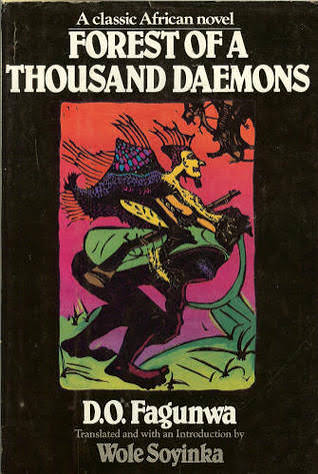
The structural blueprints for this kind of worldbuilding have been waiting in our literature for generations. In Forest of a Thousand Daemons, D.O. Fagunwa did not write basic folklore. He constructed a punishing, living environment where every tree holds an ego and human will faces continuous judgment from ghommids. Amos Tutuola’s The Palm-Wine Drinkard strikes an equally intense chord, functioning as a brutal masterclass in writing grief through a desperate journey into the land of the dead. Reducing these dense landscapes to cheap, poorly lit moral fables strips away their creative power. These texts demand massive, multi-layered visual design.
Our history offers vast narratives that remain intensely intimate. The migration of Bayajidda across the harsh Sahel to Daura plays out like a complex political thriller. For an internal character study, the chaotic existence of the abiku child in Ben Okri’s The Famished Road provides an extraordinary visual template. Azaro fights a continuous battle to stay tied to a physical world that repeatedly breaks his spirit, actively resisting the seductive gravity of the afterlife. An adaptation of this scale forces creators to abandon generic tropes and focus entirely on the grit of human endurance.
A Nigerian odyssey would look like a film where the horizon is choked by the deep, heavy crimson of Sahel dust or the suffocating shadows of a southern rainforest. The screen would capture a world where the dirt carries an ancient accountability, and the protagonist wins not through physical violence, but through the quiet, exhausting survival of their own mind. It means trading the predictable luxury of a rented Lagos penthouse for the raw, textured reality of a landscape shaped by ancestral memory. The commercial hunger for this depth is undeniable, which explains why indigenous folklore films break box office records whenever directors treat the source material with genuine respect. Our defining cinematic epic will appear when we fully trust our own imagination and dare to project our own magnificent nightmares.