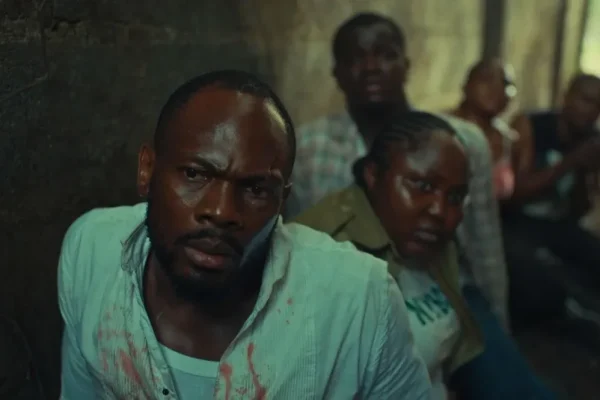



For decades, the highest praise a Nigerian film could receive was a backhanded compliment: “It looks like a Hollywood movie.” That comparison revealed a deep creative anxiety. It suggested that Nollywood’s ultimate destination was merely to replicate the glossy, sterile visual grammar of Western cinema. Early attempts to upgrade production values often resulted in films that felt like high-budget television commercials that were clean, over-lit, and entirely detached from the physical reality of Nigerian life. This copycat phase is ending. A new generation of cinematographers and directors is actively constructing a distinct visual language. They are proving that Nollywood no longer needs to wear a foreign mask to be taken seriously.
The shift begins with how filmmakers light and capture black skin. For years, digital cameras were calibrated to Western lighting standards, often leaving African actors looking either unnaturally shiny or lost in the shadows. The breakthrough came when directors stopped trying to fight the local environment and began embracing its natural textures. C.J. “Fiery” Obasi’s Mami Wata, the Sundance winner for cinematography, shattered conventional expectations by filming in stark, high-contrast black-and-white. The movie rejects the generic digital gloss of modern streaming projects. Instead, it relies on raw physical contrast and painted body aesthetics to create a hypnotic, folklore-driven dreamscape. It is a visual style that could only have emerged from West Africa.
This visual confidence also redefines how films capture modern urban spaces. The typical “Lagos movie” has historically relied on repetitive, brightly lit aerial shots of the Lekki-Ikoyi link bridge to signal luxury. Tolu Ajayi’s psychological drama Over the Bridge completely subverts this trope. The film uses moody, claustrophobic framing and muted colour palettes to reflect the protagonist’s mental deterioration. It captures Lagos not as a shiny tourist brochure, but as a living, breathing pressure cooker of corporate anxiety and heavy coastal air.
At the same time, historical and mythological epics are moving away from theatrical stage-play lighting. Kunle Afolayan’s Anikulapo: The Ghoul Awakens relies heavily on low-light compositions, utilising natural torchlight and flame to illuminate the ancient Oyo Empire. This deliberate choice creates a warm, textured atmosphere that honours the period’s historical reality. Rather than polishing the past to fit Western standards, these filmmakers use deep shadows and saturated Earth tones to construct folklore-based visual worlds like Orisa.
This evolving aesthetic represents more than just a technical upgrade and is a declaration of cultural sovereignty. When a film looks unmistakably Nigerian, the audience stops observing from a distance and begins to engage with the story on its own terms. By grounding their cameras in the specific dust and architecture of the country, modern Nollywood creators are building a timeless cinematic legacy. The industry is finally learning that the most powerful thing a Nigerian movie can look like is itself.