

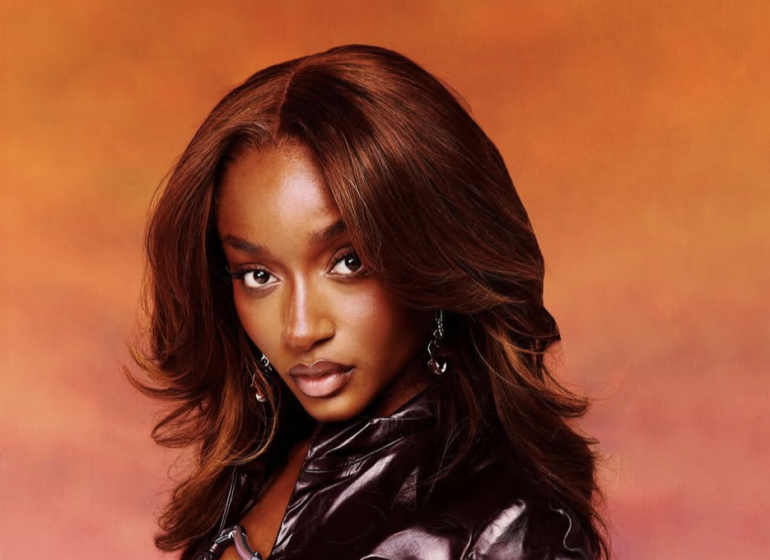
For the past week, Nigerian social media has felt like a battlefield. At the center of it was Afrobeats singer Simi.
What began as a disagreement over her tweet advocating for the protection of sexual assault victims quickly escalated into something far more aggressive. Within hours, criticism turned into a coordinated pile-on. Old tweets from over a decade ago resurfaced. Her character was dissected. Her credibility was questioned. The focus shifted from her message to her person.
That shift is important.
Simi eventually deleted the resurfaced tweets and addressed the backlash, reiterating that she still stood by her advocacy. But the conversation had already evolved beyond disagreement. It became yet another example of a growing online culture where criticism is often weaponized into harassment.
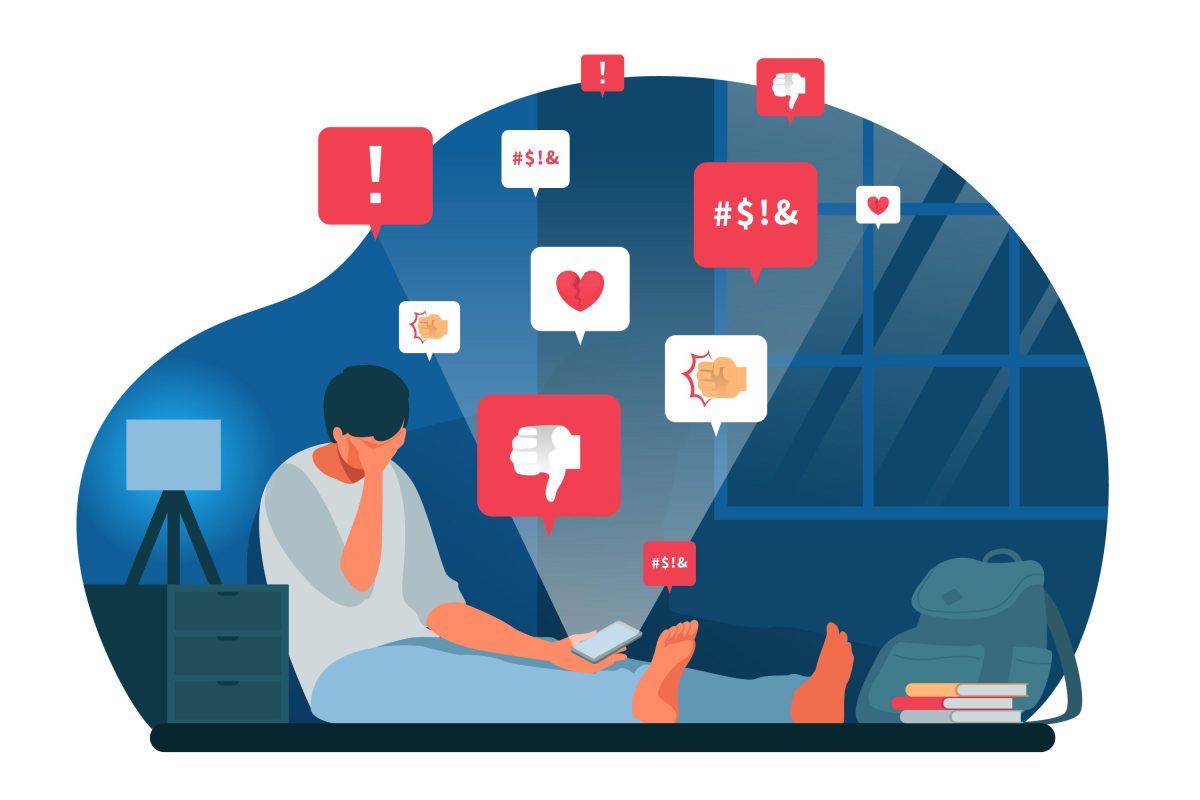
This raises a bigger question. Where does criticism end and cyberbullying begin?
Disagreement is healthy. Public figures should be open to scrutiny. Social media thrives on debate. But there is a difference between challenging someone’s argument and mobilizing thousands of strangers to attack their identity, history, and character.
We have seen this pattern before. Here are some of the celebrities who have recently faced cyberbullying.
Celebrities Who Have Recently Faced Cyberbullying
- Hauwa Lawal
Last year, digital creator and writer Hauwa Lawal became the subject of intense online ridicule. What began as people stating they did not find her content funny quickly spiraled into commentary about her appearance. The conversation moved from creative critique to personal attacks. While some defended her, others treated the harassment as entertainment.
- Uzo Njoku
Similarly, artist Uzo Njoku faced weeks of backlash after sharing her opinion about Lagos rent inflation and shortlet prices. What should have been a policy or economic debate devolved into tribal insults, mockery of her art, and threats. The punishment for having an opinion felt disproportionate to the original disagreement.
- Emeka Nwagbaraocha
Another example is Nollywood actor and activist Emeka Nwagbaraocha, known online for speaking about gender inequality and violence against women. For over a year, he has faced recurring waves of coordinated attacks. Old posts are routinely resurfaced. Insults trend. Attempts are made to discredit his advocacy by overwhelming him with hostility.
These incidents did not happen at the same time, but the pattern is consistent.
It often begins with “valid criticism.” Someone disagrees. Others join in. Screenshots circulate. Context disappears. Then the algorithm takes over. The outrage is rewarded with likes, reposts, and engagement. The line between accountability and humiliation fades.
The most troubling part is how easily cyberbullying is reframed as justice. When someone is labeled a “social justice warrior,” the implication is that they are performative or self-righteous. That label then becomes justification for tearing them down. The harassment is seen not as cruelty, but as correction.
But criticism should focus on ideas. Bullying targets identity. Criticism seeks accountability. Bullying seeks punishment.
When disagreement turns into coordinated mockery, when old tweets are weaponized to erase present advocacy, when appearance and personal history become fair game, the conversation is no longer about holding someone accountable. It becomes about silencing them.
And that is where the danger lies.
If speaking about abuse, inequality, or social reform consistently results in weeks-long harassment campaigns, fewer people will be willing to speak at all. The cost becomes too high.
What We Think
Social media has created a space where everyone has a voice. But it has also created a culture where outrage is currency. The louder and harsher the backlash, the more visible it becomes. The question is not whether public figures should face criticism. They should. The real question is whether we can still tell the difference between critique and cruelty.
Right now, the line feels thinner than ever.