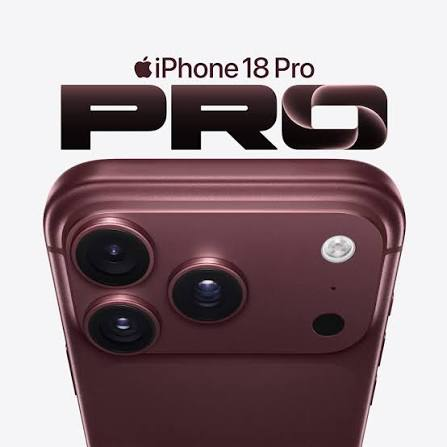


Every September, Apple’s new iPhone arrives with the same promise: better cameras, stronger performance and a more professional way to create. In Nigeria, that promise comes with a serious price. The iPhone 18 Pro starts at $1,199 in the United States, while Nigerian retail listings have placed the 256GB model at about ₦2.5 million.
For creators, that is not a small upgrade but a major business decision. Spending ₦2.5 million on a phone also means choosing not to spend that money on lighting, microphones, transport, editing, data, studio space or the cost of producing more work. The important question is therefore not whether the iPhone 18 Pro is better than older models, but whether it will make enough difference to justify the price. For some creators, it may. For many others, probably not.
The new iPhone offers a stronger camera system and more control over how images are captured, which may matter to photographers, filmmakers, commercial videographers and creators whose clients specifically demand high-end mobile production. Someone shooting adverts, music videos or detailed product content may be able to use those improvements in a meaningful way. Most creators, however, are not selling camera specifications. They are selling ideas, consistency, personality and results.
A skit creator still needs a good concept. A fashion creator still needs styling, locations and distribution. A food creator still needs access to food, a clean set and a reliable way to reach an audience. An interviewer still needs interesting guests and clear sound. The phone can record all of these things, but it cannot replace the work that makes people want to watch them.
There is also the reality of where most content is consumed. Much of it ends up on Instagram, TikTok, YouTube Shorts or WhatsApp, where videos are compressed and viewed on small screens. The difference between footage from the latest Pro iPhone and footage from a recent older model may be difficult for an audience to notice, especially when the video is watched on a phone with inconsistent internet or reduced quality.
That does not make camera quality unimportant. Better cameras can help in poor lighting, make handheld shooting easier and give creators more flexibility when they need to crop or reuse footage. Those advantages, however, do not automatically translate into more followers, better clients or higher income.
In many cases, the biggest weaknesses in a creator’s work are not caused by the phone but by poor audio, bad lighting, shaky framing, weak editing or an unclear idea. A microphone may improve an interview more than a new camera sensor, while a simple light may make a creator look more professional than a new phone. A tripod, backdrop or editing laptop could improve every video produced over the next year. Even money set aside for transport and production costs could help a creator take on jobs that the new phone alone would not create.
There is also pressure attached to owning the latest device. Creators are often made to feel that upgrading is part of staying relevant, and a new phone can look like evidence of progress when other creators and influencers begin posting theirs online. Appearing successful, however, is not the same as becoming more profitable.
Before buying the iPhone 18 Pro, a creator should be able to explain what it will allow them to do that their current phone cannot. If it will help secure a specific client, improve paid production or solve a genuine technical problem, the purchase may make sense. If it is simply newer, faster or more impressive, the money may be better spent elsewhere.
The iPhone 18 Pro is a powerful tool, but it is still only a tool. It will not make an average idea compelling, turn poor planning into a professional production or guarantee that brands will pay more. For creators who already have strong demand and need better equipment, it may be a worthwhile investment. For everyone else, keeping the current phone and investing in the rest of the business may be the smarter move.
Most Nigerian creators probably do not need the iPhone 18 Pro. They may want it, and some may eventually benefit from it, but wanting the newest phone is not the same as needing it. At ₦2.5 million, the burden is on the upgrade to prove that it can do more than produce slightly better-looking videos.