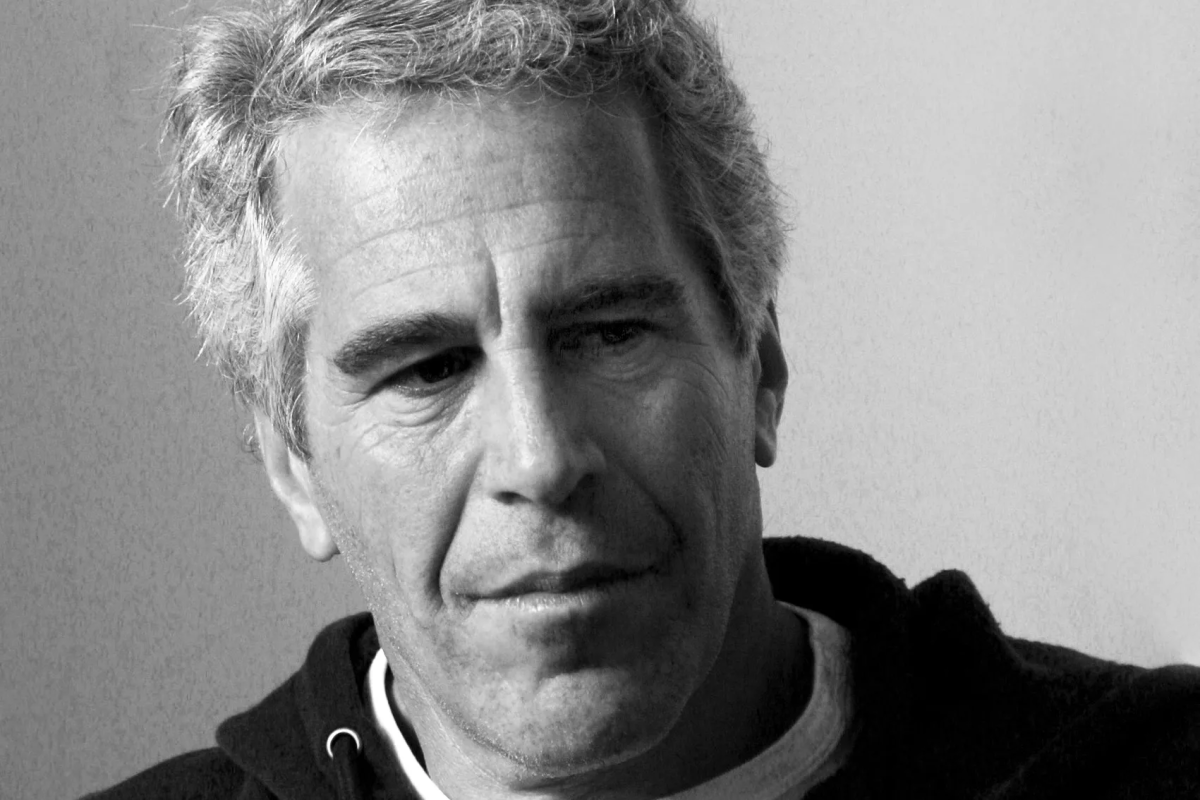


For months now, social media has been flooded with debates, conspiracy theories, and heated arguments about one thing: the Epstein Files. As more court documents become public, conversations have intensified about who knew what, who was connected to whom, and whether anyone powerful will ever be held accountable.
So why exactly is the internet on fire?
Who Was Jeffrey Epstein?
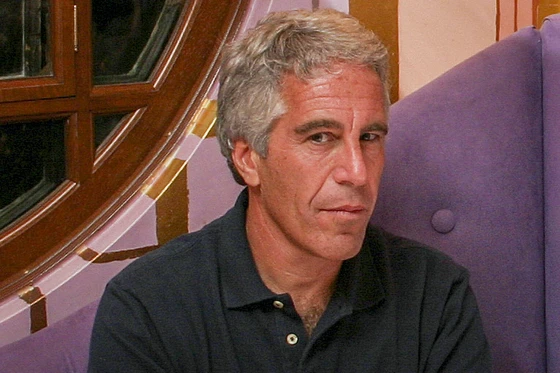
Jeffrey Epstein was an American financier who became widely known after being charged with serious crimes involving the sexual abuse and trafficking of minors. Although he died in 2019 while awaiting trial on federal charges, the case surrounding him did not end with his death.
What kept the story alive was not just the scale of the allegations, but the powerful network of politicians, business leaders, royalty, and celebrities who had documented associations with him over the years.
What Are the “Epstein Files”?
The term “Epstein Files” refers to batches of court documents, depositions, flight logs, emails, and other records related to investigations and civil lawsuits involving Epstein and his associate, Ghislaine Maxwell.
These documents include:
- Contact lists and communications
- Flight logs from Epstein’s private jet
- Testimonies from victims and witnesses
- References to meetings, events, and social connections
It is important to note that being named in the documents does not automatically mean someone committed a crime. In many cases, names appear because individuals had social or professional contact with Epstein at some point. However, the presence of high-profile figures has fueled public suspicion and online outrage.
The Island and the Allegations
One of the most widely discussed elements of the case is Little St. James, Epstein’s private island in the U.S. Virgin Islands. Prosecutors alleged that minors were trafficked and abused there, alongside properties in Florida and New York.
Ghislaine Maxwell, Epstein’s longtime associate, was later convicted on federal charges related to sex trafficking and conspiracy. Her conviction further validated many of the victims’ testimonies and intensified calls for broader accountability.
The 2008 Plea Deal Controversy
Public anger also stems from Epstein’s earlier conviction in 2008. After a years-long investigation that identified dozens of underage victims, he reached a controversial plea agreement in Florida. He pleaded guilty to state-level charges and served about 13 months in custody under a work-release arrangement.
Many critics argue that this deal was unusually lenient and allowed him to avoid more serious federal prosecution at the time. That decision remains one of the most criticized aspects of the case.
His Death and the Conspiracy Theories
In July 2019, Epstein was arrested again on federal sex trafficking charges. A month later, he was found dead in his jail cell. Authorities ruled the death a suicide.
However, given the high-profile nature of his connections, his death sparked widespread skepticism and conspiracy theories online. For many, it raised questions about whether the full truth would ever come out.
Why the Internet Keeps Reacting
Each new release of court documents reignites public interest. Social media users comb through pages of names, cross-reference old photos, and debate what associations mean.
The outrage is fueled by several factors:
- The involvement of powerful global figures
- The scale of the alleged abuse
- The perception that elites are rarely held accountable
- The belief that justice remains incomplete
While some people focus on documented evidence, others spread speculation. This mix of verified information and online theory is part of why the conversation remains chaotic and emotionally charged.
Where Things Stand Now
Although documents have been released in waves, not everyone named in them has faced charges. In legal terms, appearing in court records does not automatically imply criminal wrongdoing. Investigations and legal processes rely on evidence that meets specific standards.
For many observers, however, the broader issue is not just individual guilt but systems of power, influence, and protection.
What are Your Thoughts?
The Epstein case continues to resonate because it sits at the intersection of wealth, politics, crime, and accountability. It forces uncomfortable questions about how power operates and who is truly held responsible when abuse occurs at the highest levels.
That tension, more than anything else, is why the internet is still on fire.