
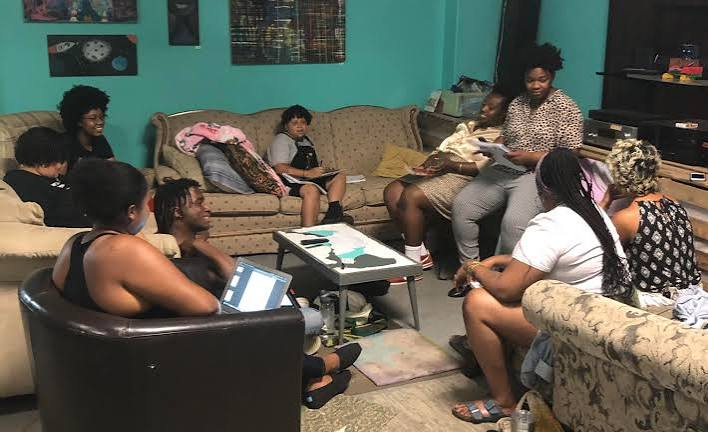

Lagos book clubs used to be small, insulated gatherings hidden away in quiet living rooms or university libraries. Today, they operate as high-visibility social fixtures on the urban cultural calendar, actively competing for attendance alongside art gallery openings and independent film screenings. This transformation marks a major shift in how the city’s youth population defines leisure. Reading is no longer a solitary act. It functions as a dynamic form of cultural currency, giving young professionals a distinct way to signal their intellect and values without relying on the predictable patterns of mainstream nightlife.
The evolution is clear in the massive turnout for specialised community events. This July, the return of The Noisy Book Club in Lagos highlights how literature now serves as a foundational layer for a broader social experience. Attendees do not just gather to analyse prose line by line. They show up to network with fellow creators and discover collaborative business opportunities. The book operates as a shared icebreaker, removing the awkward friction of traditional corporate mixers. Social media visibility amplifies this effect, turning a simple discussion circle into an aspirational lifestyle brand that people actively want to document.
Economic realities also drive this sudden interest in intellectual spaces. The soaring cost of fuel and high inflation have made traditional clubbing an expensive, low-return habit. Young Lagosians are calculating the real value of their disposable income and changing the dynamics of the evolving Lagos social scene. People are choosing environments that offer long-term utility. A curated book gathering provides a high return on investment, offering both mental stimulation and a verified pipeline to a resourceful community. This shift reveals a generational hunger for authentic connection, where people trade the loud sensory overload of open bars for structured spaces that help them build a clear identity.
Book clubs became the coolest place to be the moment Lagosian creatives realised that intellectual alignment is the ultimate networking tool. The transition solidified when a screen-fatigued generation began using literary spaces to escape digital isolation and perform a sophisticated version of their real-world ambitions. They became premium cultural destinations because they successfully transformed a quiet habit into a dynamic engine for social mobility and genuine human belonging. An invitation to these rooms is highly sought after because it does not just promise a discussion about a text. It offers immediate access to the very people who are actively shaping the future of the city’s creative economy.