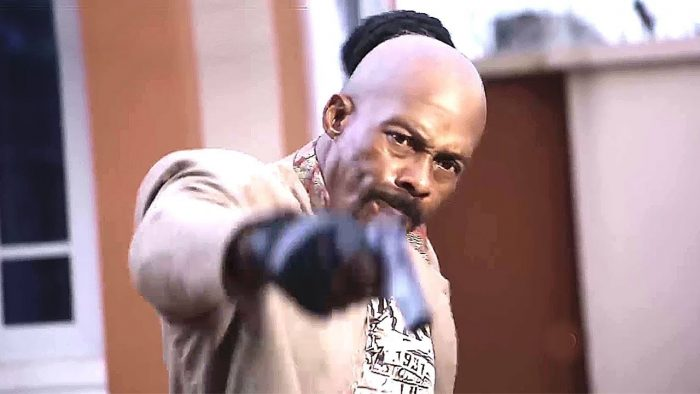


Nollywood veteran actor Hank Anuku was recently spotted lying on the street, seemingly disoriented and speaking to himself, and this is not the first time the actor has been caught in this state. Most importantly, Hank Anuku’s mental state opens up a conversation about the worrisome state Nollywood veterans end up in, even after years of gracing our screens as talented actors, from Mr Ibu to Papa Ajasco and now Hank Anuku.
The similarities in how they go from being at the top of their careers to either disappearing or begging the general public for financial assistance have us wondering: how does Nollywood honour its legendary actors?
Nollywood’s History with Veteran Actors and Their Public Struggles
Although Nollywood veterans contributed to building the industry into what it is now—a growing and thriving space—there has been a tragic paradox in the quality of life of these veterans. These veteran actors go from being on our screens at every point in our lives to struggling to eat or live a good life due to a lack of royalties, inadequate healthcare, and a lack of a follow-up culture.
The Root of the Veteran’s Struggles
The root of these veteran struggles is things that are still prominent problems in the Nigerian film industry, and they are the following:
- Inadequate Payment
In the early stages of the Nollywood industry, the pay actors and filmmakers received was low, with no significant health insurance or pension schemes to ensure they could live a good life outside of filmmaking. Veterans who acted “for the love of the craft” were left with very little to invest in retirement, making them highly vulnerable when health issues strike in their old age.
- The Absence of Royalties
Unlike in Hollywood, Nollywood actors are paid once, and it’s a done deal. With no accounting for the possibility of them continuing to earn from a successful production. As with Papa Ajasco, which has retained its fame even decades later, the actors do not receive royalties for their contributions. Veteran actress Patience Ozokwor, “Mama G,” and actor Fabian Adibe have openly lamented this reality. Because there is no residual income or robust follow-up contracts, actors put all their effort into film projects only to watch the films generate ongoing revenue for marketers and streaming platforms, with the actors receiving no further compensation.
- Ageism
Filmmakers today tend to prioritise younger actors or veteran actors who have attained a level of success. Veteran actors who are established with no visible signs of success are either ignored, struggle to get roles, or get typecast into roles that do not pay them.
How Nollywood Can Honor Its Veteran Actors
Nollywood can make an effort to honor its veteran actors in a few ways, and they are
- Introducing A Royalties System
Introducing a royalty system in Nollywood will benefit not only veteran actors but also the new generation of actors. When actors are able to earn from their successful productions, they are more likely to continue earning enough to live on. Comedic late actor Mr Ibu’s wife has been in the news for selling off his properties to ensure their children could survive, exposing a need for Nollywood to introduce royalties.
- Introducing Welfare Funds
Nollywood film guilds need to introduce health insurance, residual pay structures, and welfare funds to assist the veteran actors and their families. It is important that systems be put in place to support veteran actors who are no longer able to work or earn income from their past projects.
- Continually Celebrating Legends
There is a growing consensus among contemporary stars that veterans should be honored and supported while they are still alive, rather than waiting to celebrate their legacies posthumously.
What do we think?
Nollywood needs to grow in the practice of ensuring legends do not fade or lose momentum. Continually casting these actors and celebrating their contributions to the industry plays a significant role in honoring them.