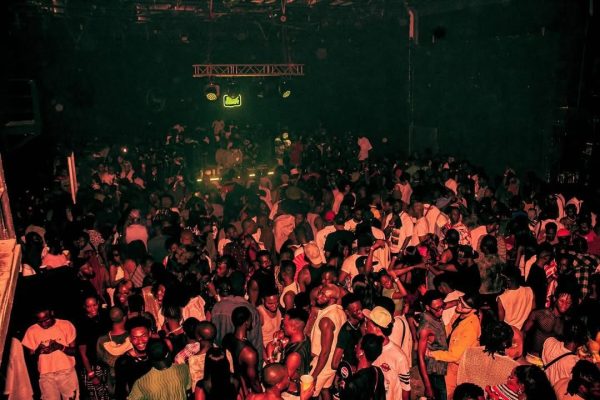
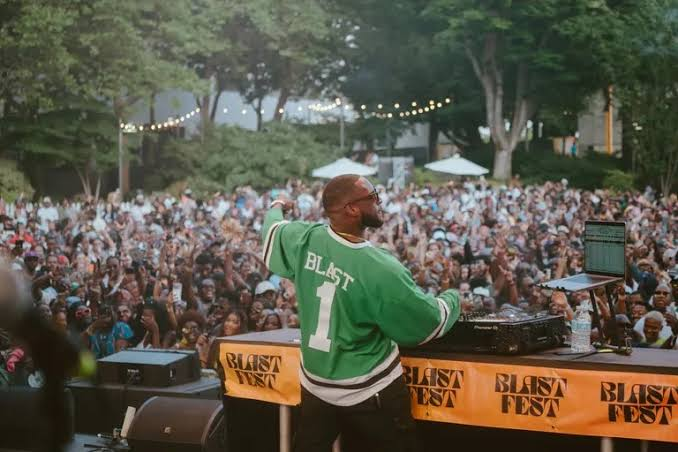

Every July, international festival posters serve as a clear scorecard for the global leverage of Nigerian music. This weekend’s Afro Nation lineup proves that West African performers are no longer token novelty bookings brought in to fill afternoon slots. They are the primary reason audiences buy tickets. From veteran icons like Wizkid to dominant modern chart-toppers like Asake, Nigerian superstars are now the permanent anchors of the European summer circuit. The current festival landscape marks the exact moment Afrobeats stopped being a genre that international events merely accommodate and became the core foundation they actively build around.
This dominance turns massive European venues into execution grounds for Nigerian soft power that goes far beyond digital streaming metrics. When these headliners take the stage, they bring a complete cultural ecosystem that reshapes global youth culture in real time. European crowds regularly adopt Nigerian fashion trends and absorb Lagos slang while singing along to complex Yoruba and Pidgin lyrics. This expanding global footprint shows exactly why the signature sound shifts global pop, forcing the international music business to treat the genre as a permanent centre of gravity.
Yet, while local creators sell out massive foreign arenas, the infrastructure at home remains too fragile to sustain festivals with the same global pull. The harsh economic realities of high inflation and currency instability make hosting premium multi-day events in Lagos an uphill battle. This domestic gap became obvious when Afro Nation cancelled its scheduled Lagos concert, highlighting the massive difficulty of replicating international festival logistics on home soil. Without major structural investments in local event architecture, the financial rewards of the summer boom will continue to enrich foreign promoters and overseas venues.
For entertainment executives and culture commentators, the current festival season is a sign that the industry must bridge the gap between global influence and domestic execution. The live touring market remains the ultimate economic engine for creators looking to build sustainable careers. Documented trends in the definitive guide to Afrobeats confirm that long-term survival depends on building local intellectual property assets that match the scale of foreign festivals. Until the local market develops the corporate sponsorship models and venue security required to host the world, Nigeria will remain a net exporter of the talent that fuels everyone else’s summer.