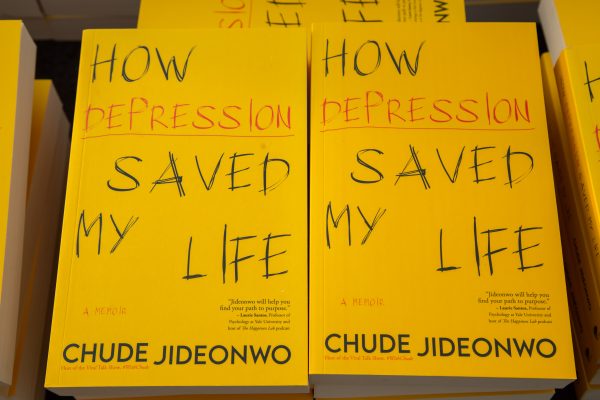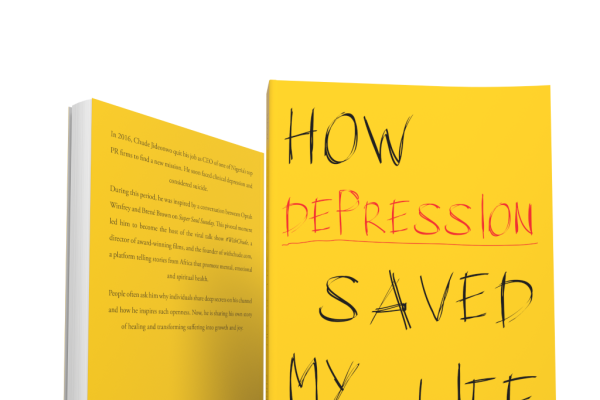
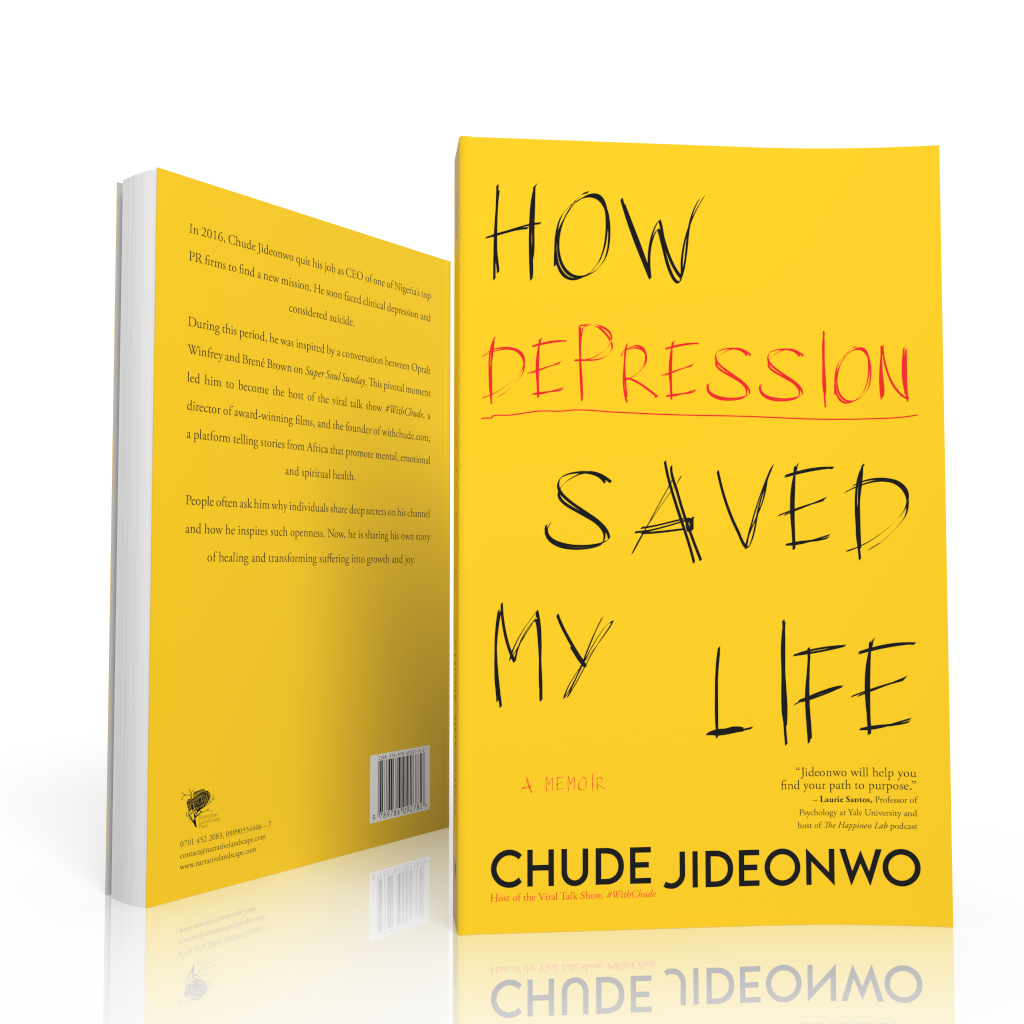


Review of “How Depression Saved My Life” by Chude Jideonwo
Reading this book felt like being invited into a conversation that a lot of people are still too afraid to have. Jideonwo grants total permission and validation to anyone struggling with mental health.
What stood out to me first is how honest it is. The book is extremely vulnerable and transparent. Jideonwo intentionally puts himself at the centre of the story thus owning the narrative fully. It doesn’t feel like he is hiding behind theory or trying to intellectualise his experience. Instead, he uses himself as the entry point into conversations that many people in our context still avoid, especially people who are African, culturally rooted, and grounded in the Christian faith. There is a level of pride he takes in telling his story that is refreshing because he is not trying to perform strength or perfection, he is simply telling the truth of what it looked like to go through what he went through.
Jideonwo’s explanation of Tourette’s syndrome will do so much good to the reader and anyone else dealing with it. This is something that many people didn’t even know he lived with, even though they may have commented over the years about his twitching or the way he moves his eyes or body. He uses the book to shed some light on that part of his life, and in doing so, he gently shifts the conversation from judgment to understanding. It is a reminder of how often we observe people without really knowing what they are dealing with privately.
One thing that this book makes clear is that at his core, Jideonwo is a storyteller. As he talks about his own journey, he weaves in the stories of other people he has encountered along the way. You see references to experiences shared with people like Joke Silva, Beverly Naya, Simi Drey, Denrele Edun amongst others. This helps situate his experiences within a wider community and make the narrative feel more lived in and relational.
Oftentimes, a message is better received because of who is telling it, and Jideonwo leans into that reality. He draws from other people’s stories when necessary, mentions names where appropriate, and allows shared experiences to strengthen what he is trying to communicate about emotional and mental wellbeing.
In many ways, this book validates feelings that people would have ideally been embarrassed to admit. It creates room for emotions that are often suppressed, dismissed, or spiritualised away. There is almost an unspoken permission woven through the pages that it is okay to feel what you are feeling, to confront it honestly, and to do the work required to come out on the other side.
By the end of it, what stays with you is not just the story itself, but the sense that conversations around mental health in our generation are slowly becoming more open because people like Chude are willing to speak first. And sometimes, that is exactly what is needed.