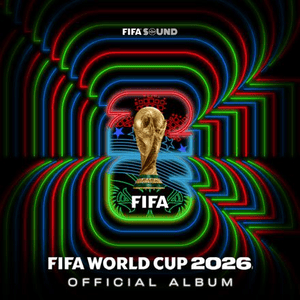

Shakira and Burna Boy, Tyla and Future, Anitta, LISA and Rema have all released theme songs for one event: the 2026 FIFA World Cup. And while the tunes are undeniably banging, two questions keep coming up. Why are there so many World Cup songs? And more importantly, who is footing the bill — is this FIFA’s doing, or are these artists and brands simply riding the World Cup wave the same way companies muscle into Super Bowl halftime coverage?
The tournament, which happens once every four years and requires host countries to begin bidding as far as seven to eleven years in advance, had already released seven official singles before the full 18-track album dropped today on June 5th. This rollout alone signals something bigger than a playlist. It points to a massive cash-and-publicity machine with a genuinely global reach. The 2022 FIFA World Cup Final between Argentina and France holds the record as the most-watched single sports broadcast in history, pulling in approximately 1.5 billion viewers and over 5 billion engagements. That level of attention makes any content released under the tournament’s banner extraordinarily valuable. Shakira and Burna Boy’s “Dai Dai” has already crossed 60 million views on YouTube alone, 12 days after its release. Where there is attention at that scale, the big money is never far behind.
The Corporate Model: FIFA and the Labels
For the official songs, FIFA and major record labels are the ones writing the cheques. FIFA runs the project through FIFA Sound, its global music platform, partnering with major labels to fund, produce and distribute the music. “Dai Dai”, for instance, was released through Sony Music Latin, while other tracks on the 18-song album are distributed through Universal Music imprints, including Republic Records and Def Jam. Each track has its own label arrangement, but the underlying logic is the same across all of them: corporate giants covering production and marketing costs upfront, treating the tournament as a global marketing vehicle designed to secure market share across every continent simultaneously. This corporate infrastructure is a significant reason why Afrobeats meets the world so heavily during this tournament cycle. The African presence on the album runs deeper than “Dai Dai” alone. Davido, who made history as the first African artist to perform at a World Cup closing ceremony in Qatar in 2022, appears on “No Place Like Home” alongside Major Lazer and Nelly Furtado this year, while Rema and Ayra Starr also feature on separate tracks. Four Nigerian artists on a single FIFA album would have been unthinkable a decade ago.
The money that flows back to artists operates on two tracks. First, there are upfront fees negotiated before a song drops, and for major names, these can run into the millions. Then there are ongoing streaming royalties from the billions of plays generated during and after the tournament. Many official artists also build in a charitable element. Shakira’s personal royalties from “Dai Dai” are being donated in full to the FIFA Global Citizen Education Fund, with Sony Music separately matching the first $250,000 raised. Burna Boy’s royalty arrangement has not been publicly confirmed in any official statement. The underlying publishing rights across the album, however, remain highly profitable regardless of any charitable routing on individual tracks, and the songs benefit from constant stadium rotation and television broadcast placements worldwide.
The Independent Model: Betting on the Audience
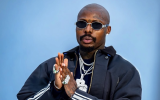
The financial logic shifts when you look at how IShowSpeed got on the album. Speed released “World Cup (Champions)” on June 1 through his own private company, with Warner Records handling distribution under licence from Ishowspeed, LLC rather than as a traditional signing. He owns his masters. FIFA then confirmed the track’s inclusion by messaging him directly on Instagram: “We heard it. We like it. It’s on the Official FIFA World Cup 2026 album.”
But Speed’s path only looks straightforward in hindsight. What made it possible was leverage built over years, 53 million YouTube subscribers, a globally recognised football obsession, and a 2022 World Cup track simply titled “World Cup” that had already crossed 208 million views before he recorded a single note of the new one. For independent creators without that scale, spending personal capital on World Cup content is a high-risk move. The global football audience guarantees traffic, but traffic without leverage rarely converts into the kind of placement Speed landed. The difference between riding a wave and being swept away by it comes down to what you have already built before the tournament kicks off. That is the real lesson Afrobeats and African creators should be drawing from this cycle: the streaming infrastructure that determines who profits when these moments arrive does not wait for talent to catch up.
So, Who Is Actually Paying?
The honest answer is: it depends on the song. For the official album tracks, FIFA and major labels are the primary financiers, using the tournament as a marketing platform that justifies the upfront investment many times over. For independent creators like Speed, the investment is personal and strategic, a calculated bet on the tournament’s guaranteed attention currency with distribution handled by a label working under licence rather than ownership. Both models work, and both are rational, which is precisely why the volume of World Cup music keeps growing every cycle. The tournament does not just inspire songs. It funds them, one way or another.