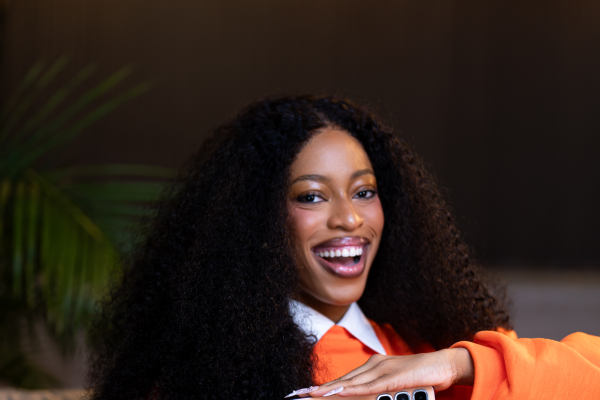



Teenage singer Chimamanda Pearl Chukwuma, professionally known as Qing Madi, has been in a legal battle with her former management label, JTON, which she claims has hindered her growth and caused her to lose her hard work with the label taking down her songs from streaming platforms.
In a recent callout, the singer asked the record label to leave her alone, and amidst the controversy, she released a new album titled “Barely Legal,” and we think it has everything to do with her dispute with the record label.
Here’s what we know so far about Qing Madi’s legal battles with her former label.
Qing Madi’s Allegations Against Her Former Label
During a TikTok live session with fans, Qing Madi alleged that her label, through her label boss “Joy Tongo,” had forged her signature, stolen from her, and sued her. However, the allegations from Qing Madi against her former label did not start with the TikTok live; the singer had initially come out to accuse her now-ex-label of taking down her song with Zinoleesky, “Pepper Me,” from streaming platforms.
What followed was the singer asking to be left alone via her Instagram account, stating that she had left the label and wanted nothing to do with them. While the song was eventually restored to streaming platforms, fans had already noticed it had been taken off.
Qing Madi also accused her former management, “JTON,” of exploiting her while she was a minor by forging her signature on documents that gave them control over her career and public image. Claiming that she had to suffer through great efforts made to destroy her professional image, with the inclusion of her music being removed from streaming platforms and interference with sponsorship arrangements for her tour.
The Response From Her Former Management
The label lead of the singer’s former label, Joy Tongo, took to Instagram to reject the claims made by Qing Madi, stating that the singer’s claims of theft and forgery were not true, while also insisting that the legal battle between the two parties was unresolved.
Joy Tongo went ahead to challenge Qing Madi’s claims that she had won the court case, insisting that there had yet to be a trial on the lawsuit. The ex-manager also addressed the music takedown on Spotify, suggesting that the removals were connected to an ongoing legal suit and not a move to frustrate the singer, as she had alleged.
“‘American Love’ and ‘Ole’ are at 100 million on Spotify, yet you claimed it looked as if you didn’t have a label. Also, the injunction allows us to issue a legal takedown now. What case have you won? Because last time I checked, the case still hasn’t gotten to trial,” she added.
The label also released a press statement on their X (formerly Twitter) account addressing all allegations made by Qing Madi.
The Controversy With “Barely Legal”
After the release of her latest album dropped on the 29th of May, “Barely Legal,” fans noticed that several tracks from the album had become unavailable on Spotify. This prompted Qing to speak out about the $2 million lawsuit she was facing from her ex-label, stating that she plans to work independently going forward. Qing Madi further referenced the experiences of singer Cynthia Morgan while criticising her former manager, stating, “The first artiste you signed, Cynthia Morgan, cried, and now you’re doing it to a literal teenager. So two women have worked with you and have the same story.”
Qing Madi also added that the issue began with her departure from the label she had joined as a young child, which led the label to sue her for breach of contract; she fought and won the lawsuit after the label was unable to produce evidence supporting its claims.
How Are Nigerians Reacting To This Label vs. Singer Dispute?
The reactions from Nigerians over the dispute between the artist and her label have been mixed. For Nigerians, drama involving artists like Kizz Daniel and his former label, Mercy Chinwo and her former label, Cynthia Morgan, and many others, the response has been an encouragement for artists to ensure they have a legal team before signing contracts. The common theme among artists who fall out with their labels in Nigeria is often a problem with the signed contract and the artist’s financial frustrations caused by their labels’ lack of transparency.
A contract needs to be thoroughly reviewed by an entertainment lawyer before an artist signs, and with a young artist who signed while she was a minor, Nigerians have commented that the singer should have gone along with a legal team to ensure the contract terms are favourable, and are not a form of exploitation. Others have advised artists to have a legal team outside their label’s legal system to ensure their rights and interests are protected, not just the company’s.
Another reaction among Nigerians has been to call on more artists to pay closer attention to the financial support they receive from their labels. Often, artists’ claims of exploitation stem from their inability to understand just how much it costs their labels to promote their artistry. Constantly tracking how much is spent on marketing, promotion, and living expenses helps artists keep track of how much they are bringing to their labels financially and how much is, in turn, spent on their career growth.
What do we think?
The dispute between artists and their labels may continue if artists are legally unaware of the terms of their contracts, or if labels are not fully transparent with artists about how much is spent on financial support. The major problem faced by both sides, including Qing Madi and her label, is a gross lack of understanding and transparency that has grown into a significant legal concern.