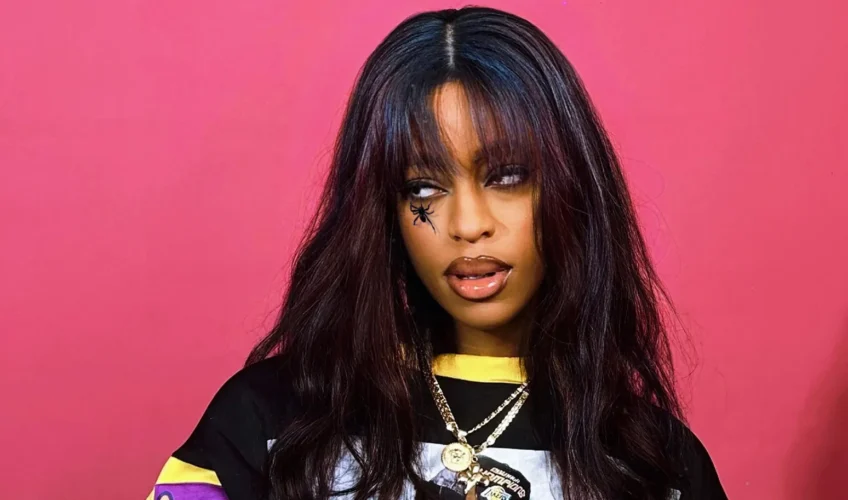


Nineteen-year-old Chimamanda Pearl Chukwuma went on Instagram on April 21 to ask her former record label to leave her alone. The singer, known as Qing Madi, watched her collaboration with Zinoleesky disappear from Spotify. JTon Music pulled “Pepper Me” off the platform just as the track started gaining traction. The takedown was not a routine licensing glitch. Madi publicly accused the label of weaponizing their distribution access to punish her for leaving. JTon Music previously dragged the teenager to court with a $1 million lawsuit and lost.
We are watching a familiar script play out in real time. Young Nigerian artists sign aggressive contracts they don’t fully understand to secure a chance at fame. The relationship eventually collapses. The label then uses its institutional power to freeze the artist out of the market. The Nigerian music industry produces global hits but refuses to build any meaningful legal protection mechanism for its emerging talent.
The Cynthia Morgan parallel is the entire story here. Madi explicitly invoked Morgan’s name in her posts. Morgan lost her momentum and years of her career after a bitter contract dispute with Northside Music. The industry watched that happen and did nothing to change the structural conditions that allowed it. Ten years later, a new generation of executives is running the exact same playbook on a 19-year-old girl.
Qing Madi represents the extreme end of the teenage signing frenzy. She signed her first deal with Richie Music Empire at 15 years old. She later signed with JTon Music and Columbia Records to launch hits like “Ole” and her debut album. The move triggered a breach of contract lawsuit from her first label against both her and JTon. Now JTon is the entity taking her to court for $1 million. She spent her entire adolescence caught in corporate crossfire. We saw similar structural complaints when artists like Shallipopi and Crayon exited their deals earlier this year. Labels understand that digital platforms provide the only reliable way to reach an audience. They know a young artist can’t afford endless litigation. By striking a song from Spotify, the company cuts off the revenue and erases the visibility.
Madi’s inclusion of Zinoleesky on the track adds another layer of complexity, considering his own recent isolation from the mainstream audience. The core issue remains the disproportionate power of the label. A company that loses a $1 million judgment in court and responds by manually deleting music from the internet is no longer trying to recoup an investment. They are executing a campaign of attrition.
Qing Madi insists she will get the song back online. She built a dedicated fanbase and generated enough public sympathy to force a resolution this time. The next teenager who signs a bad contract might lack that leverage. The industry celebrates the global revenue generated by Afrobeats. The real question is how many young careers we will let the system break before someone intervenes.