

There is a pattern in Nigerian music that has become so familiar it almost feels like a rite of passage. Artist signs with the label, the artist blows up, and the artist leaves, sometimes quietly, often messily, almost always with receipts. The internet takes sides. And then everybody moves on until the next one.
Except the exits keep happening, the complaints keep sounding identical, and the question nobody is properly asking is this: what is actually going on inside these deals, and who ends up better for them?
The contract is the problem
Most people do not realise what many Nigerian label deals actually look like on paper. We are talking about arrangements where an artist might walk away with 15% of their own revenue. We are talking about 360 deals, where the label earns a cut not just from music but also from shows and endorsements. We are talking about “post-term commission” clauses, fine print that means a label keeps collecting a percentage of your earnings even after the contract has ended.
This is not unique to Nigeria. But it hits differently in a market where royalty payouts are already lower than those artists earn in the US or UK, and where many artists sign their first deals very young, without a lawyer and not fully understanding what they are agreeing to.
When Shallipopi walked away from Dapper Music in December 2024, he laid it all out publicly. He alleged the label had pushed him into a side deal with a subsidiary company without his knowledge and that his contract contained a clause that would have entitled them to 30% of his revenue indefinitely. Muyeez, another Dapper artist, made similar claims at the same time, saying he was a minor when he signed and that despite releasing three chart-topping EPs in a single month, he never received a single royalty payment. Dapper Music denied the more serious allegations, but the public trust was damaged.
A familiar script that keeps getting louder
The exits are not new. What is new is how public they are. Kizz Daniel signed with G-Worldwide in 2013 and left after a contract dispute that went to court. The label got an injunction against him for performing his own songs and even tried to claim ownership of the name “Kiss Daniel,” which is how he ended up changing it to Kizz Daniel. He got out, founded Flyboy Inc., and went on to have one of the most consistent careers in Afrobeats. The exit, in retrospect, was the best decision he ever made.
Asake’s departure from YBNL was handled more quietly. He reportedly bought out his contract after nearly three years, leaving with ownership of his masters, though the label retained a royalty split for the next ten years. Olamide graciously acknowledged the split, and Asake launched Giran Republic. His first independent single, “Why Love,” was widely acclaimed.
Crayon’s exit from Mavin Records in 2026 was the messiest of the recent batch. In a series of posts on X in March, he called out the label’s COO, declared “Mavin is going down,” accused Rema of overshadowing him, and announced his new imprint, Olodum Entertainment. He later confirmed to content creator Carter Efe that he had left and was now independent, saying, “Everything has been settled. We’re family.” Whether the peace was genuine or merely diplomatic, the underlying grievances about money and whose career the label truly invested in reflected the same structural complaints heard from every other artist who has left.
Qing Madi and the cost of signing young
The singer, born Chimamanda Pearl Chukwuma, was just 15 years old when she first started gaining traction online. By 2021, she had reportedly signed a four-year contract with Richie Music Empire (RME). Then, while the label’s CEO, Don Richie, was out of the country, she signed with JTON Music and Columbia Records, the deal that would launch “See Finish,” “Ole” featuring BNXN, and her debut album, I Am the Blueprint. RME alleged a breach of contract and moved to sue not only Qing Madi but also JTON, Sony Music, and Columbia Records.
The situation escalated further when, after parting ways with JTON in June 2025, Qing Madi publicly alleged that her former label, JTON, was actively trying to destroy her career following the legal action. She described the Nigerian music industry as “so dark” in an Instagram story, and that resonated with her fans, many of whom had watched her go from a teenage girl posting covers online to a Billboard-recognised artist caught in multiple simultaneous label disputes before she even turned 19.
The Qing Madi situation is a reminder that this is not just about royalties. When artists sign very young and without representation, they can find themselves entangled in overlapping obligations they do not fully understand, and the legal battles that follow can swallow their careers whole.
The numbers have shifted
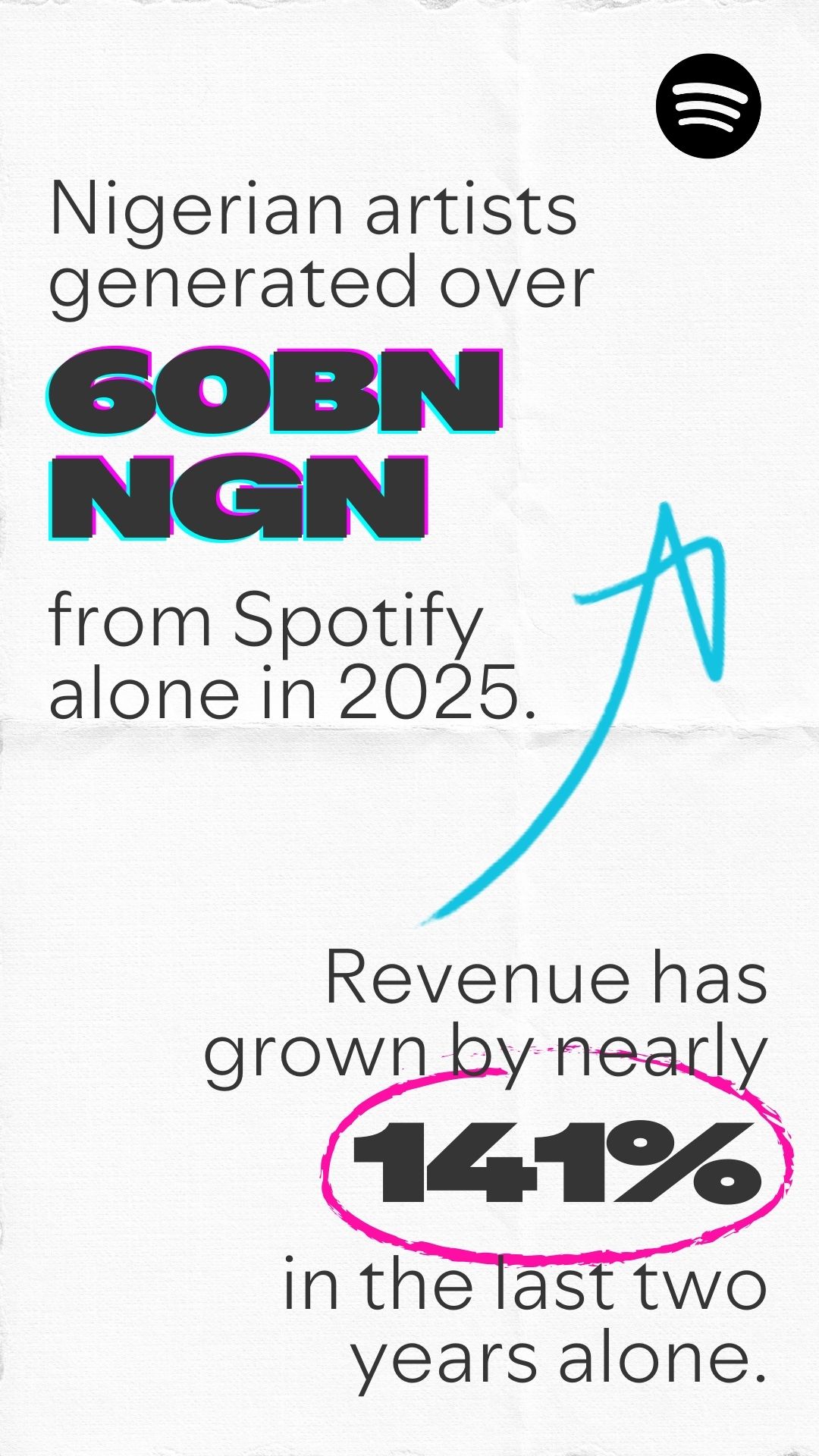
According to Spotify’s Loud & Clear report, independent Nigerian artists earned approximately ₦34.8 billion of the ₦60 billion on the platform in 2025, more than their label-affiliated counterparts, with revenue growing by over 140% in two years. Nearly 2,000 Nigerian artists were added to Spotify playlists in 2025 regardless of whether they had a label behind them.
We can say that the argument for labels that you need them to be heard is no longer as strong as it once was. Artists can now distribute music, collect royalties, and build audiences without surrendering a major share of what they earn. The artists who understand this are starting to treat labels the way startups treat early investors: useful to get started, potentially costly to hold onto too long.
So who is winning?
The artists coming out ahead are the ones who left with their masters, their name, and their next chapter intact. Asake has the Giran Republic. Kizz Daniel has Flyboy Inc. and a decade of undiluted hits. Shallipopi has Plutomania Records and artists already signed to it. These are real wins.
The streaming era is not the end of record labels, though, as Mavin attracted significant institutional investment, largely on the back of Rema’s global success. Olamide’s YBNL launched careers before those artists outgrew it. The labels’ launchpad function is real; the problem is when they try to remain the destination for all Nigerian artists.
Afrobeats has gone global faster than its business structure has kept up. Young artists are still signing deals they do not fully understand, and by the time they do, they have already made someone else rich.
Better contracts, mandatory legal counsel before signing, and royalty transparency are not industry luxuries. They are the basic conditions for an ecosystem that actually works for the people making the music. Until that changes, the exits will keep coming, and some of them are overdue.