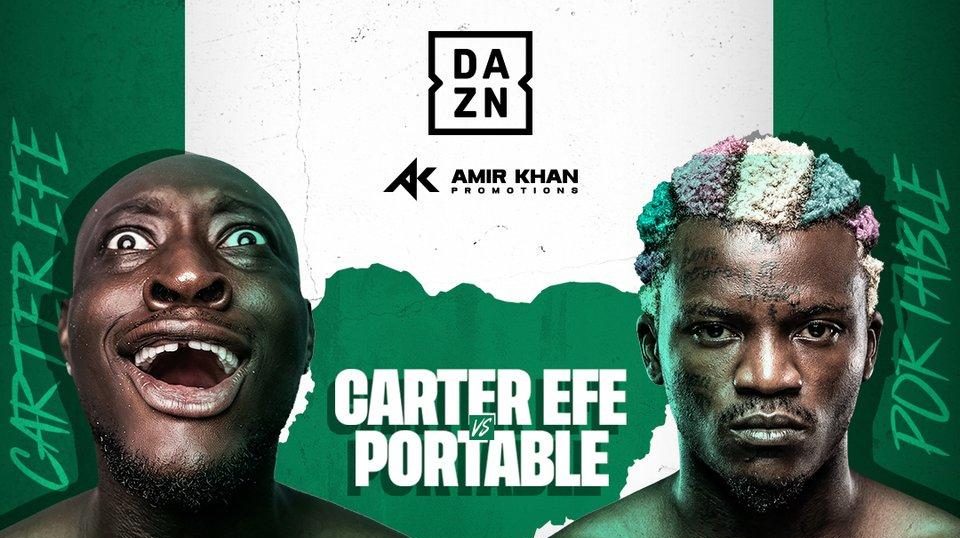


Carter Efe walked into the Federal Palace Hotel in Victoria Island holding a Bible and a bottle of olive oil. Portable arrived after a very public visit to a traditional shrine to secure spiritual backing. The two content creators stepped into a boxing ring on Friday night to settle a long-running internet feud. Three rounds later, Carter Efe won by unanimous decision. He walked out of the Balmoral Hall with the celebrity boxing belt and a ₦50 million pledge from businessman E-Money. Portable immediately went on Instagram Live to complain about the judges before pivoting to celebrate the birth of his new son.
The “Chaos in the Ring” event proves the Nigerian creator economy has evolved past simple online engagement. Influencers are physically weaponizing their digital clout to secure massive offline paydays. The algorithm demands constant escalation. When standard comedy skits and diss tracks stop generating peak engagement, the creators take the tension into the physical world.
Portable and Carter Efe command over ten million followers combined across their platforms. They spent months trading insults online to build the narrative tension. Promoters recognized the commercial viability of that manufactured anger. Balmoral Promotions partnered with former world champion Amir Khan to sanction the bout and sell the global broadcast rights. The event packaged a digital argument into a premium live sporting experience.
The actual boxing technique meant very little. Portable started aggressively and threw wild punches in the opening round. Carter Efe used his reach advantage to maintain composure and land cleaner strikes as the fight progressed. The audience ignored the lack of technical mastery. They paid to see two internet personalities bleed. The spectacle generated massive revenue. Portable publicly demanded a ₦200 million cut of the streaming money immediately after the fight. The financial numbers dwarf what an independent artist can earn through standard music distribution.
The undercard featured legitimate professional athletes fighting for actual titles. Ezra Arenyeka and Godday Appah fought a cruiserweight bout billed as the “Niger Delta Peace Fight.” Those professionals spent years perfecting their craft. Yet the entire marketing engine of the night relied on a singer and a comedian settling a social media grudge. The promoters knew a professional cruiserweight bout could not fill the Balmoral Hall on its own. They needed the chaotic gravity of Portable to sell the tickets.
This dynamic exposes a brutal truth about the modern attention economy. Technical excellence requires a viral catalyst to survive financially. The legitimate athletes had to share the billing with an influencer who openly bet ₦10 million on himself. The purists might hate the arrangement. The promoters understand the audience prioritizes raw entertainment over athletic integrity.
Nigerian streamers understand the exact math behind these physical stunts. Peller recently admitted his own car-smashing incident with Carter Efe was entirely staged. He explained the logic plainly, noting that “we use money to find money”. The boxing match represents the ultimate version of that philosophy. You manufacture a feud and build the audience on TikTok before selling the climax to a wealthy Lagos socialite willing to write a ₦50 million check for ringside entertainment.
The strategy works flawlessly. When Carter Efe defeated street-hop singer Portable by unanimous decision, he immediately grabbed the microphone and declared himself “Carter Mayweather.” He generated another wave of viral soundbites before he even left the ring. Portable lost the fight but still dominated the weekend news cycle by weaving his boxing defeat and the birth of his child into a single chaotic narrative. Both men secured enough digital inventory to feed their social media channels for the next three months.
Traditional entertainment gatekeepers often dismiss these events as cheap circuses. The creators simply look at the bank alerts. They figured out how to bypass the standard industry pipelines. They succeeded in translating that power into economic reality without needing a chart-topping album or major studio backing.
The barrier between digital content and physical combat is permanently erased in Nigeria.