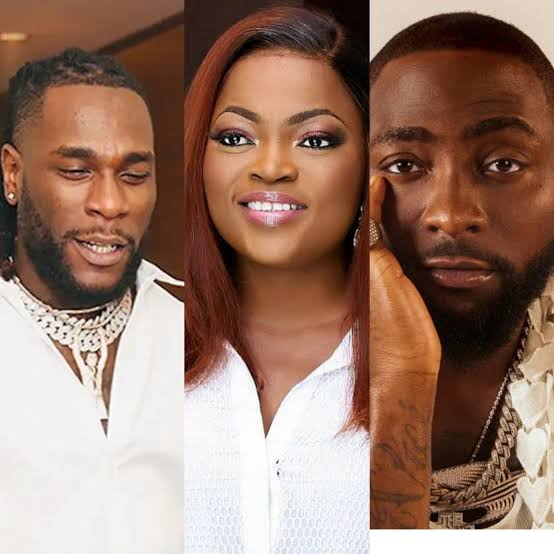

Algorithms feed on anger. An online argument between two public figures can hijack the timeline in minutes, completely burying an album or a film that took months to produce. The timeline prefers friction over achievement. It is a familiar rhythm on Nigerian social media, where cryptic subtitles and disses travel further than creative projects. Digital platforms are built to maximise outrage because conflict drives metrics. Physical production requires real capital, but a chaotic tweet costs nothing and instantly shifts the focus away from the actual art.
Personal drama has become a standard marketing strategy. Entertainment teams know that a quiet, merit-based promotional campaign easily gets lost in a crowded feed. This environment forces artists to prioritise visibility over depth. Don Jazzy pointed out a while ago that creators must master the attention currency just to keep their work afloat. When a rollout relies on a public fight, the music becomes secondary. The drama becomes the main product, and creative output gets treated like a mere soundtrack to the larger online reality show.
Viral noise rarely creates real value. Reports show that Nigeria’s entertainment industry generates massive revenue, but creators are not seeing that money. Visibility is not monetisation. Chasing a trending topic offers a brief traffic spike, but vanity metrics like impressions often mask low streaming payouts. A week of trending hashtags does not fix broken distribution channels or poor royalty tracking.
Audiences have also adapted, acting less like music fans and more like a permanent jury. This fixation on personal disputes is old news, tracing back to the Wizkid and Davido beefs that dominated earlier eras. Stan culture turns these feuds into competitive sports, where consumers debate metrics rather than listening to the music. Labels will keep exploiting these feuds for quick numbers because the strategy works, but it leaves everyone locked into the posturing instead of the art.