
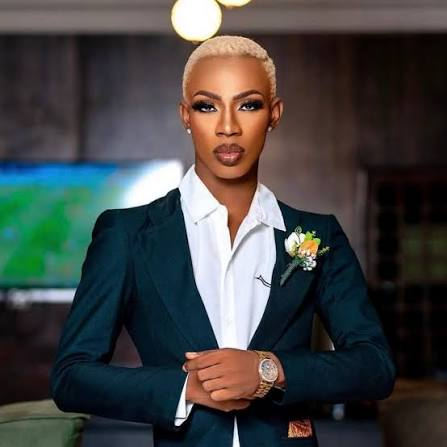


When influencer James Brown responded to a recent confrontation by declaring that looking soft does not mean breaking easily, he articulated a conflict at the heart of Nigerian pop culture. His statement that confusing femininity with weakness is a mistake pushed past personal defence into a direct challenge against industry norms. Nigerian entertainment operates on a rigid commercial logic. It tolerates gender fluidity as viral comedy or sensationalist content, but reserves its highest financial rewards and mainstream legitimacy for traditional masculine archetypes.
Mainstream Afrobeats and Nollywood continuously reinforce a specific template of male authority. Superstars in these spaces build their personal brands around financial dominance, physical stoicism, and emotional invulnerability. Corporate sponsors, record labels, and film studios invest heavily in these traits because they align with established consumer expectations. A male artist projecting conventional power offers brands a predictable return on investment. Unconventional figures must continuously negotiate their right to exist in the same commercial tier.
Nigerian entertainment handles non-conforming gender expression through deliberate containment. Skit makers routinely don female attire for comedic routines, securing millions of views and lucrative brand deals in the process. That acceptance is conditional. Audiences consume feminine expression when framed as a parody, but resist that same expression when presented with serious artistic intent or personal dignity. The moment a figure like James Brown steps out of the comedic frame and demands institutional respect, the cultural consensus fractures.
This disparity is driven by corporate risk aversion rather than passive audience preference. Mainstream media executives and brand strategists operate under conservative social pressures and ambiguous regulatory environments. Major consumer brands and telecommunication giants rarely sign gender-nonconforming influencers as primary brand ambassadors for mainstream campaigns. Instead, these creators are relegated to niche digital activations inside the Nigerian creator economy. They bear the burden of defending their public identity while traditional male celebrities enjoy structural immunity.
Direct-to-consumer digital platforms have broken the monopoly of traditional gatekeepers, allowing non-conforming public figures to build sustainable, independent media empires. James Brown and his peers leverage TikTok, Instagram, and YouTube to monetise attention directly without corporate permission. True industry transformation remains incomplete. Until corporate sponsors and mainstream producers decouple commercial value from traditional gender tropes, unconventional creators will continue fighting for the legitimacy that traditional masculinity receives automatically.