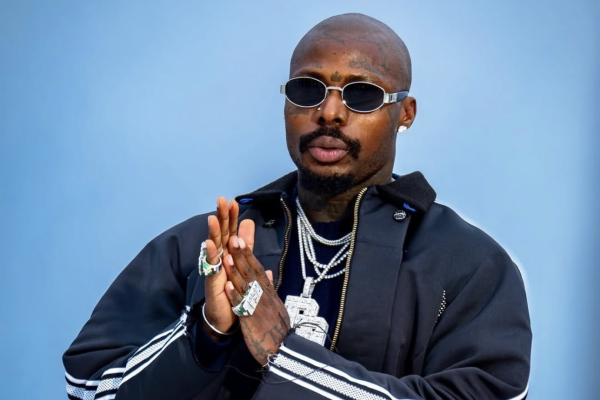
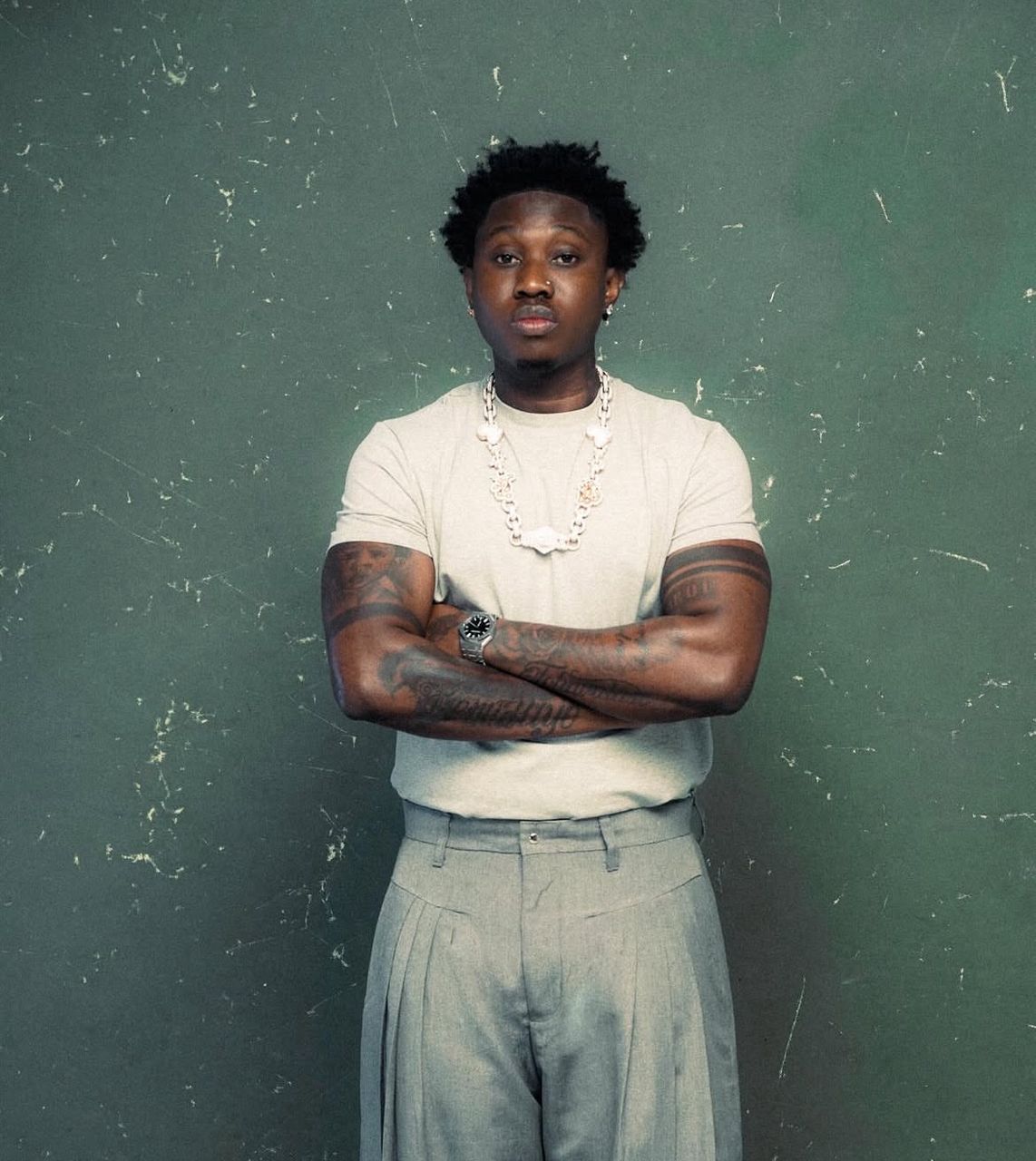


Zlatan Ibile used his sit-down with Shopsydoo this week to say what Kcee had already said on Joey Akan’s Afrobeats Intelligence the day before. The gist: TikTokers, influencers and content creators are now the celebrities, and a skit-maker can drop a song and blow up. Kcee put the same point more bluntly, telling Akan that everyone can build an audience now and the industry is worse for it. Erigga said the same thing months ago. The lament keeps coming.
What Does It Mean When the Skit-Maker Gets to the Chart First?
It means the distribution stack has flipped. A decade back, a Nigerian pop star needed radio, clubs and a label roster to reach a million people. A 21-year-old like Peller now racks up 389,000 concurrent viewers on a single livestream and holds them for hours. When a streamer drops a track, the audience is already booked. The music is almost incidental. That’s the complaint Zlatan is making without naming it. The skit-maker arrived at the chart with an audience pre-built, while the artist still has to rent attention from TikTok, radio and playlist curators every week. Kcee called that a loss of organic reach. A cleaner word is leverage.
What We Think
There’s a straight line from Kcee’s podcast to the Peller and Jarvis economy we wrote about yesterday. A ₦30 million Maldives trip became a week of content. A staged car fight became a month of ad reads. Zlatan’s Cash App doesn’t scale the same way. His complaint about losing the charts to skit-makers like Layi Wasabi mistakes the symptom for the cause. The TikTok pipeline that used to serve Afrobeats now serves whoever brings the audience with them. The creators got to that audience first, and they did it without the label, the radio spin or the chart.
Somewhere in a Lagos studio tonight, an A&R is doing the math on signing a streamer with 800,000 followers instead of another singer with three songs and a dream.