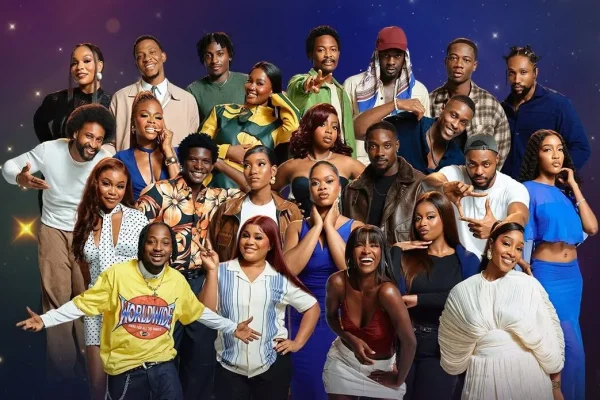
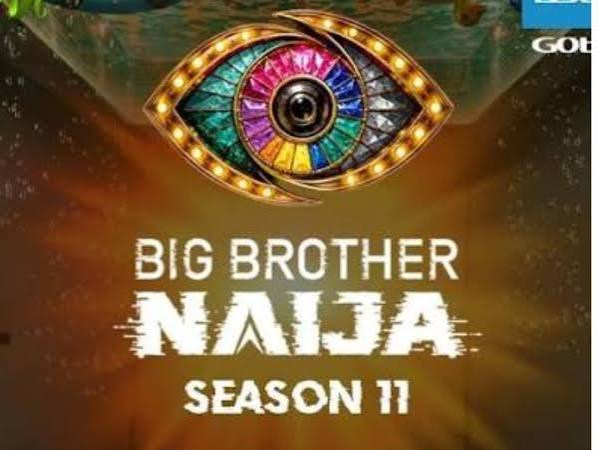

When Big Brother Naija launched its eleventh season yesterday night, leading today’s top daily headlines, it returned to a media landscape dominated by Netflix, TikTok, and Showmax. Traditional television continues to lose ground to fragmented digital feeds, yet MultiChoice’s flagship reality show remains Nigeria’s premier appointment-viewing event. Its longevity relies on a clear strategy: Big Brother stopped treating linear television as its primary destination long ago.
The show operates as an open-source media engine rather than a standard broadcast. A continuous 24-hour feed provides raw footage that thousands of digital creators, gossip platforms, and fan channels clip, edit, and redistribute instantly. TikTok trends, X commentary, and Instagram memes do not merely market the program. They form the core viewing experience for millions of Nigerians who rarely tune into the broadcast channel directly. By allowing the internet to repackage its daily narrative, Big Brother turns decentralised online chatter into its primary distribution network.
Streaming platforms built their business models on on-demand watching, letting users consume entire series at their own pace. Big Brother thrives on real-time cultural urgency, standing apart from broader shifts across the entertainment industry. Delaying a night’s highlights by a few hours leaves a viewer completely disconnected from online conversation. Voting mechanics, live Sunday evictions, and unscripted house conflict demand immediate participation. Fandoms organise coordinated digital campaigns, purchase voting packs, and defend housemates with the intensity of political campaigns. This shared, live friction creates deep parasocial investment that pre-recorded streaming shows fail to match.
This guaranteed real-time audience makes the show uniquely valuable to major advertisers. As traditional TV advertising loses ground to targeted digital channels, brands struggle to find single events that capture millions of consumers at once. Big Brother solves that problem by embedding sponsors directly into daily tasks, party themes, and household living spaces. Sponsors do not simply purchase commercial breaks. They secure seamless integration into the daily public discourse driving the Nigerian creator economy.
Big Brother’s eleventh season demonstrates that live broadcast television can still command national attention when built around social utility. In an era of infinite, isolated entertainment options, audiences still actively seek out shared moments. By evolving from a traditional television show into an interactive digital ecosystem, Big Brother has secured its status as Nigeria’s most resilient entertainment format.