
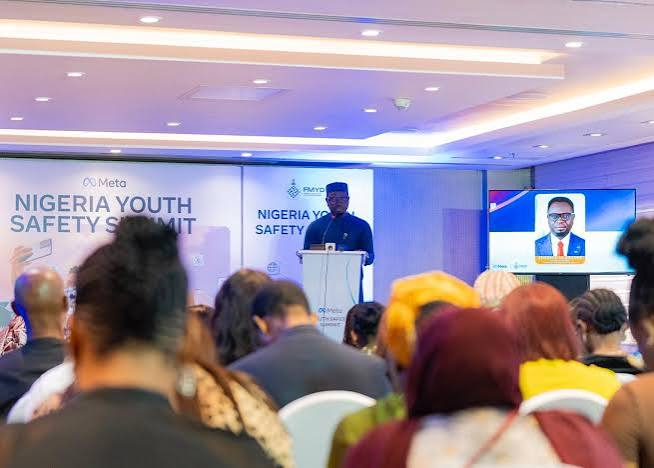


The weekend itinerary for young Nigerians has changed. Music venues and late-night clubs no longer completely dominate the calendar. Professional gatherings are taking over as the premier social scene. Across major urban centres, creator summits and tech meetups are the new spaces to see and be seen. This change goes far beyond career development. Young professionals are transforming corporate venues into genuine community hubs, using these events to build friendships and discover long-term collaborators. Ambition has effectively reshaped how an entire generation defines leisure.
In a tight economy where access matters just as much as raw talent, building a robust network functions as an essential form of social currency. A ticket to a high-profile industry event now holds more social value than a VIP pass to a concert. Young professionals use corporate mixers to secure real opportunities, deliberately moving away from mainstream nightlife venues. This shift reflects a broader changing reality in the city, where even the raves redefining the Lagos weekend show a growing desire for unpretentious spaces where people connect through shared values rather than artificial social hierarchies.
This convergence of business and recreation has birthed a distinct conference economy that entertainment executives can no longer ignore. Organisers are moving away from dry, traditional panels to design interactive experiences. Major gatherings like the Work Culture Festival in Lagos prove that the modern professional demographic demands events that merge career advancement with cultural dialogue. Young professionals actively repurpose their leisure time to serve economic survival, turning professional education into a major lifestyle choice.
However, this constant focus on professional positioning brings its own set of social pressures. When every social outing requires a pitch or a LinkedIn connection, the boundary between real community and calculated transaction begins to blur. Attendees frequently struggle when they treat these gatherings purely as transactional stepping stones. Navigating these spaces requires a careful approach, as common networking mistakes can easily alienate new contacts if individual ambition completely replaces genuine human connection. The rise of the conference scene shows a resilient demographic that is re-engineering its social habits to manufacture the opportunities the state fails to provide.