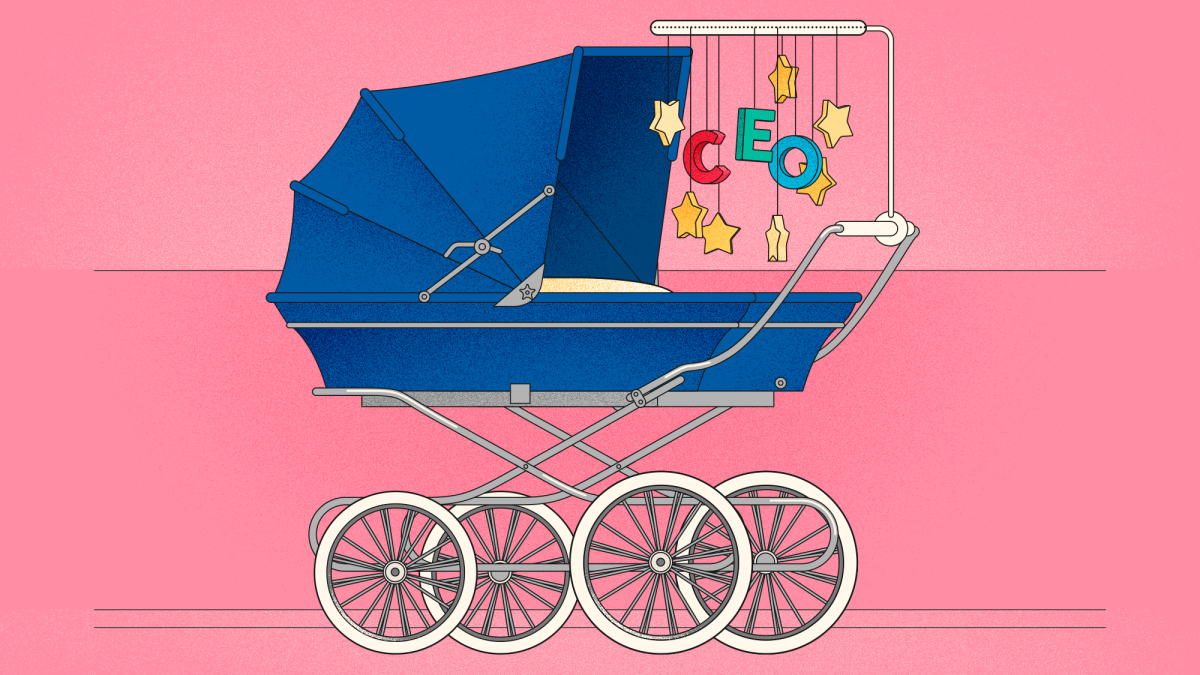


Every few months, Nigerian social media circles back to the same argument: nepo babies. The children of politicians, billionaires, and power brokers who seem to live a completely different Nigerian reality from everyone else.
Some people think they deserve the heat. Others think the anger is misdirected. But one thing is clear: this conversation isn’t about jealousy. It’s about power, access, and a country that feels permanently rigged.
Why This Conversation Won’t Die
Nigeria is hard. That’s the baseline. The cost of living keeps rising, jobs are scarce, education is struggling, and corruption feels endless. So when people see children of politicians casually living luxury lives online, the reaction is rarely neutral.
It’s not just the wealth. It’s the context.
When your parent is part of a system people believe is actively making life worse, posting designer outfits, private jets, or overseas vacations doesn’t read as “soft life goals.” It reads as provocation.
Politicians’ Kids vs Billionaires’ Kids
Not all nepo babies get dragged equally, and there’s a reason for that. Politicians are directly involved in policymaking, budgets, and governance. Their decisions affect fuel prices, education, healthcare, and security. So their children often carry the full weight of public anger.
Billionaires sometimes get a little grace, but not much. Many Nigerians believe that most of the country’s big money is tied to political favours, government contracts, or systems that reward proximity to power. So the line between political wealth and private wealth feels very thin.
The “They Didn’t Choose Their Parents” Argument
This is where things split. Many people argue that children shouldn’t be blamed for the circumstances they were born into. They didn’t write the policies. They didn’t loot the treasury. They didn’t choose the family name.
And honestly, that’s fair.
Some nepo babies genuinely work hard, build careers, and stay out of political drama. Others even use their platforms for good. Grouping everyone under one label ignores personal effort and individuality.
But Privilege Changes the Game
Here’s the uncomfortable truth: privilege is not neutral.
Even the most hardworking nepo baby benefits from access that most Nigerians will never touch. Better schools. Better networks. Easier entry into industries. Safety nets that don’t exist for regular people.
When opportunities are handed out through connections instead of merit, it becomes harder to argue that this advantage doesn’t hurt someone else. Especially in a country where millions are overqualified and underpaid.
Where the Anger Really Comes From
The strongest backlash usually isn’t about existence. It’s about attitude.
When nepo babies openly flaunt wealth that people believe came from corruption, without awareness or empathy, it feels insulting. It’s not just enjoying privilege. It’s enjoying it loudly, in a country where survival itself is a daily struggle.
At that point, people stop seeing innocence and begin to see complicity. Even if it’s indirect.
So Should They Be Blamed?
Blamed for their parents’ crimes? No.
Held accountable for how they benefit from broken systems? That’s a harder question.
When nepo babies step into political roles, inherit influence, or quietly uphold dynasties, they help maintain a system that keeps opportunity unequal. In a democracy, that kind of inherited power will always attract scrutiny.
What We Think
This isn’t about hating rich kids. It’s about frustration with a system that keeps recycling privilege while shutting others out.
Nigerians aren’t angry because nepo babies exist. They’re angry because the gap keeps widening, and the people who benefit most often act like it isn’t there.
Until access becomes fairer and accountability becomes real, nepo babies will remain lightning rods. Not because they asked to be born into power, but because power in Nigeria has never been innocent.