
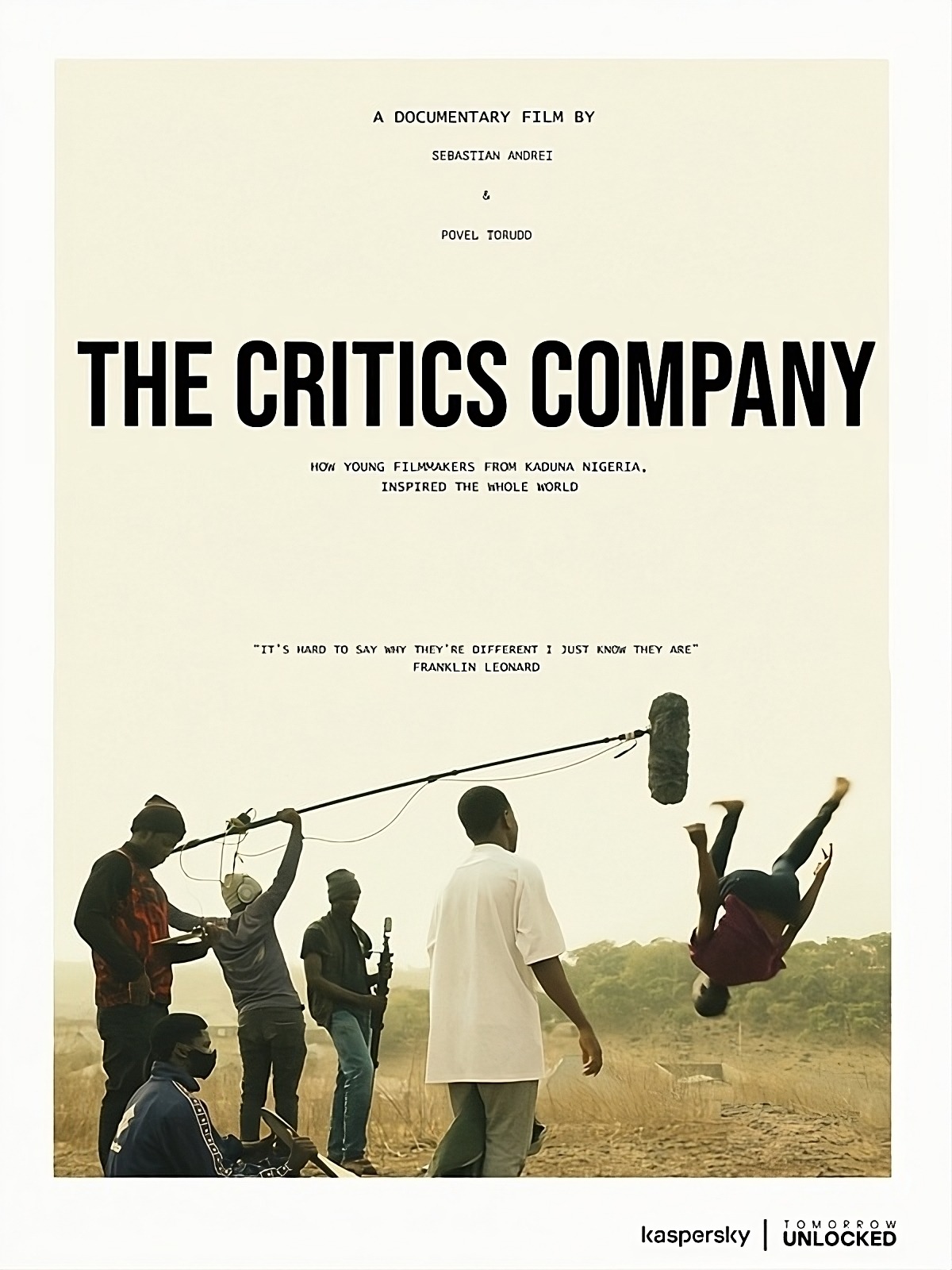


A documentary about five cousins from Kaduna opened at the Tribeca Film Festival in New York on 5 June. The film is called Crocodile. It premiered at the Berlinale in February. Idris Elba is the executive producer. The Hollywood Reporter reviewed it. International critics sat through the Q&A. Raymond, Richard and Ronald Yusuff, and Godwin and Victor Josiah, the group that calls itself The Critics, were in New York for the North American run. Back home, most people have not heard of them.
The Critics have been making science-fiction short films from a compound in Kaduna since 2016. Their first camera was a broken phone. Their tripod was a broken microphone stand. They saved for a month to buy the green fabric for their green screen. Everything they know about film technique came from YouTube tutorials and Wikipedia pages. NEPA was not an excuse to stop. Raymond’s father, a pastor, received a two-page letter from his son explaining why filmmaking was a real job. He read it and got angrier. The family kept their work a secret and kept moving. They now have 54 films to show for it.
J.J. Abrams, the director of Star Wars, found their YouTube channel and sent them professional gear. This is not an unusual story in Nigerian creative spaces; the rest of the world tends to certify our talent before we do. The Critics went on to do visual effects work on Kemi Adetiba’s King of Boys: The Return of the King on Netflix. That credit should have made them names inside the industry. It did not. The algorithm reached them before the gatekeepers did.
Every creator who has ever put work on YouTube without an industry connection is running the same experiment that The Critics ran. They did not register for a competition or send cold emails into a void. They produced and uploaded consistently and let the platform handle distribution. The difference between The Critics and the average Nigerian creator in Enugu or Maiduguri with a decent phone is not talent. It is volume.
Nollywood’s geography problem does not get discussed honestly enough. The informal network that determines who gets a callback runs through Surulere and Lekki. Kaduna is not on that circuit. One of The Critics says on camera in the documentary that the Nigerian creative sector survives not because of the system, but against it. “The police, politicians, central government, none of them nurture talent or future aspirations,” Godwin says. He made 54 films under those conditions regardless.
Crocodile closes its Tribeca run on 14 June. The conversation about Nigerian work being celebrated abroad before it finds an audience at home is not new. Clarissa had a standing ovation at Cannes while Nigerians were still figuring out whether to watch it. The Critics are just the latest chapter. The question is who is taking notes.