
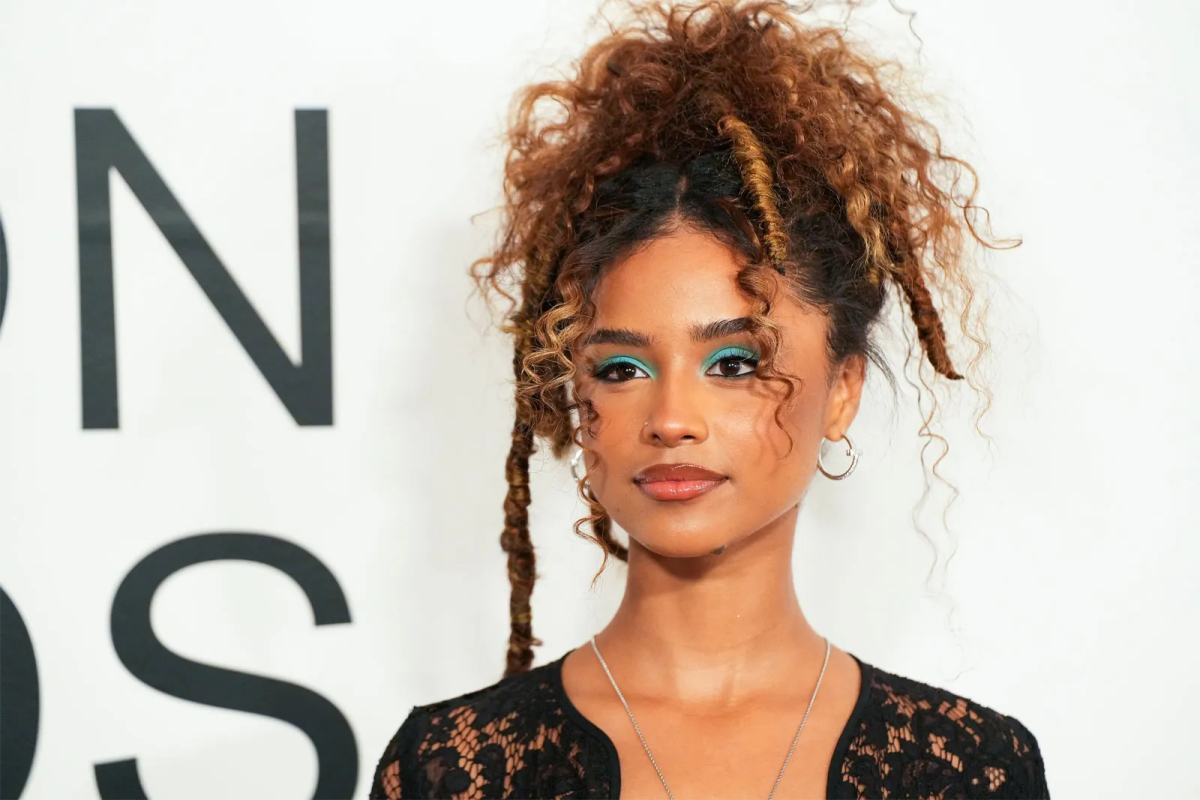


The 2026 AMAs took place just two days ago and ended with Tyla taking home wins for Best Afrobeats Artist and Social Song of the Year. Tyla’s win sparked conversations on social media platforms like X (formerly Twitter), with Nigerians wondering why the South African artist has consistently won the award despite stating that her sound is not “Afrobeats.”
More than just raising a question about why Tyla’s win takes away the win from Nigerian artists who are Afrobeat pioneers, it opens a conversation about how African artists are put in a box in international awards.
However, in this case, the most important question is, what is Tyla doing so well that she’s winning all the Afrobeats awards?
Why is Tyla the Face of Afrobeats at Award Shows?
It is important to note that the AMAs are a fan-voted award show, and that could have played a part in Tyla’s win. It also pushes the need for an answer to the question of what the singer is doing better than her Nigerian counterparts. Here are a few things Tyla possibly has over Nigerian artists:
- A Voting Fanbase
While there are Nigerian fanbases dedicated to voting for their favourite Nigerian artist nominated at the award show, the vast majority are not voters. The votes for Nigerian artists are also often split between two artists whose fanbases do not care for each other. In Tyla’s case, a large majority of her fans are a mix of international and local dedicated voters.
- A Streaming Fanbase
One of the criteria for artists to get nominations at major international awards is the streams and virality of their songs, and at her current status, Tyla has that. The singer has enjoyed a run of viral songs that have become staples of pop culture, from “Water” to “Push 2 Start” and “Chanel.” She has been the face of viral African girl music. In an era where young girls are growing up without music that centres them, Tyla’s music is a refreshing touch.
- A Focused Marketing Style
Afrobeat, in general, is thriving, with Nigerian artists at the forefront. Tyla’s artistry and marketing lean towards her embodying her roots as an African artist who enjoys exploring her culture, which also coincides with the need for a huge pop girl in the music market. Although Tyla has clarified that she doesn’t make Afrobeat music, the world has not yet fully reached the stage of distinguishing between African music genres.
Why Is It Problematic That African Artists Are All Considered Afrobeat Artists?
There are many reasons why putting all African artists under the box of Afrobeats is problematic, but the most important reasons are:
- It Creates Limitations
While Afrobeat is an excellent way to define the music made by Nigerian artists, Nigerian artists and African artists in general can explore different genres while holding on to the authenticity of their sounds. African artists like Tyla, Ayra, Tems, Rema and many others have experimented with R&B, Hip Hop and Jazz, all of which are rarely recognised, as they are often relegated to nominations for “Afrobeat” awards at international ceremonies, except when they feature an international star.
- Reduces Recognition For African Artists
When African artists are put under the box of “Best Afrobeats” or “Best African Artists” at every award show, there is little to no chance of several African artists walking away with awards. It becomes a case of only one artist taking recognition for what is a collective effort towards the exportation of African music.
What Is The Possible Solution For This?
The best way for African artists to combat this issue and reduce the number of Nigerian artists being overlooked in favour of non-Afrobeat artists is for them to work to correct this notion. Beyond giving speeches at award shows, more Nigerian artists need to be encouraged to explore other genres without losing their sound, until the world recognises that African music includes sounds beyond Afrobeats; limitations may always exist.
Unfortunately, the global exposure Afrobeat has received has, in a way, affected the worldview of African music. It may take some time, but the world will eventually understand that sounds like Amapiano and Afro house deserve recognition, which will, in turn, give Nigerian artists a stronger chance of winning international awards.