
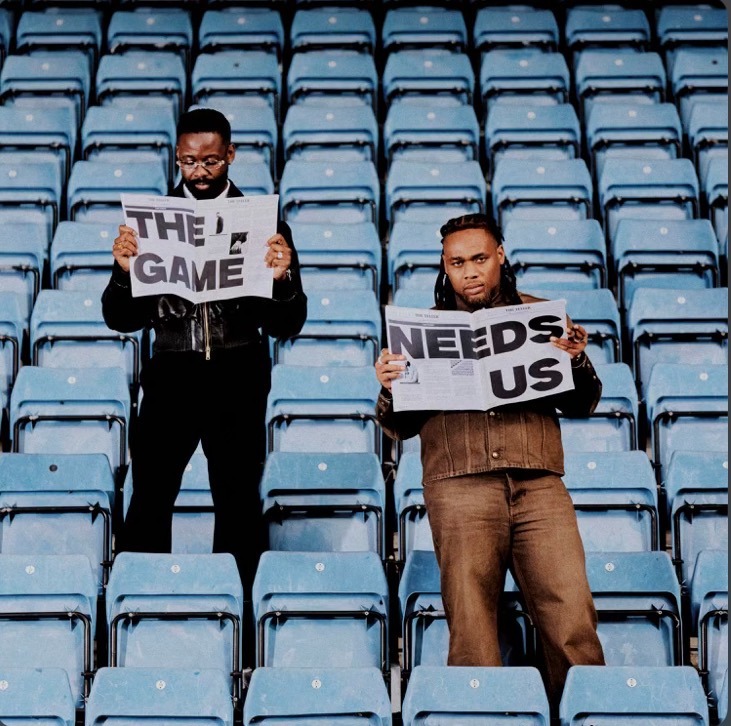


BNXN and Sarz dropped their five-track joint EP The Game Needs Us on May 11. It immediately climbed the Apple Music charts. They join a rapidly growing field. Wizkid and Asake released Real, Vol. 1 in January. Joeboy and Wizard Chan followed with Agaba Romantic in March. Mr Eazi and King Promise delivered See What We’ve Done in April. The joint extended playlist officially replaced the standalone feature as the primary vehicle for collaboration in the Nigerian music industry.

Afrobeats artists spent the last decade relying on the featured verse to dominate the Friday release cycle. A superstar drops a single and adds a guest verse from a trending contemporary. That model is breaking down under the weight of streaming economics. A single feature provides a temporary spike in visibility. A joint project commands a sustained streaming presence across multiple weeks. It forces digital service providers to treat the collaborators as a unified entity. This strategy ensures the attention translates directly into actual economic reality.
The format operates as a calculated structural response to a tightening market. Streaming platforms demand constant output to maintain algorithmic relevance. Producing a solo studio album requires immense creative isolation and serious capital. Two artists releasing a joint project split the financial burden immediately. The marketing budget is shared across two labels. The combined fanbases guarantee a high debut position. The approach bypasses the gruelling promotional cycle of a solo rollout.
Sarz and BNXN understand the commercial power of the producer-artist dynamic. Their new release leverages the success of their previous hits into a consolidated commercial property. The project merges BNXN’s pop vocals with Sarz’s technical production depth without forcing either creator to carry an entire album alone. Wizkid and Asake used their January release to bridge two distinct generations of Lagos dominance. They paired Wizkid’s relaxed veteran status with Asake’s aggressive amapiano energy to capture two distinct demographics at once.
The Nigerian music scene is consolidating its power to survive the attention economy. Standalone singles get lost in the weekly release flood. Packaging two established brands into a single tracklist creates a gravity well that independent releases cannot easily escape. The approach functions as a promotional engine for artists looking to maximise their digital leverage. The industry realised that calculated collaboration generates more long-term wealth than isolated competition. The joint project serves as the new blueprint for algorithmic survival.