
Nigeria is rich in culture, and one of the most exciting ways it comes alive is through traditional festivals. From massive fishing competitions to colorful horse parades and masquerade displays, these festivals are more than celebrations. They are living history.
Recently, the Argungu Festival went viral on X, formerly Twitter, after photos of thousands of fishermen charging into a river at once caught people’s attention. For many Nigerians, it sparked curiosity about cultural events that are still very much alive but rarely trend online.
Here are the top 7 traditional festivals across Nigeria that you should definitely know about.
- Argungu Fishing Festival

The Argungu Festival, which began in 1934, is held in Argungu, Kebbi State. It is one of Nigeria’s most famous cultural festivals and attracts thousands of visitors.
While the festival includes wrestling, music, and cultural dance performances, the main event is the grand fishing competition at the Matan Fada River. Thousands of fishermen rush into the river at the same time, each trying to catch the biggest fish. The winner walks away with major prizes and bragging rights.
It is chaotic, exciting, and uniquely Nigerian.
- Ojude Oba Festival

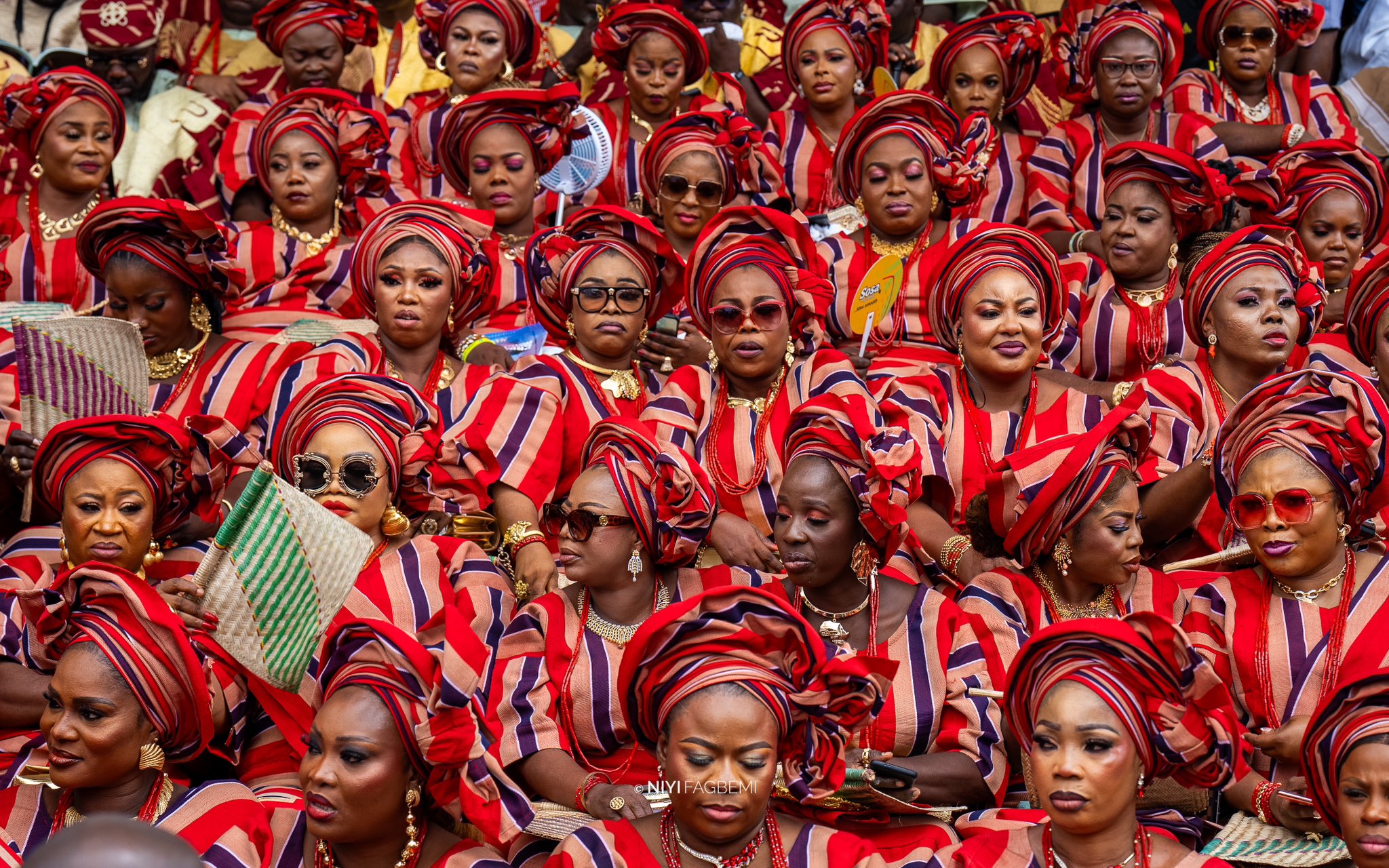
Held annually in Ijebu Ode, Ogun State, Ojude Oba takes place two days after Eid al-Kabir. The festival is organized to honor the Awujale of Ijebuland.
Ojude Oba became a social media sensation in 2024, thanks to stunning photos of elaborately dressed age-grade groups and dramatic horse-riding displays by warrior families. But long before it went viral, it had already been a major cultural, religious, and social event.
It is elegance, heritage, and tradition all in one place.
- Eyo Festival

Also known as Adamu Orisha, the Eyo Festival is unique to Lagos and dates back to the 18th century.
Often called the festival of masquerades, the event features participants in flowing white robes and hats, their faces covered as they parade through Lagos Island. Traditionally, the festival is held to honor the passing of a king or chief and to usher in a new monarch.
It is one of Lagos’ most iconic cultural events and a major tourist attraction.
- Iri Ji Ohu (New Yam Festival)

The New Yam Festival, known as Iri Ji Ohu in parts of the Southeast, is widely celebrated in Abia State and among Igbo communities.
It marks the end of the yam harvest season and serves as a thanksgiving celebration. Traditional leaders perform rituals, families gather, masquerades appear, and cultural dances take over the day.
While the format may vary from community to community, the meaning remains the same. It is a celebration of gratitude, harvest, and cultural pride.
- Kano Durbar Festival

Known culturally as Hawan Daushe, the Kano Durbar Festival is a spectacular equestrian event held in Bauchi State, Nigeria.
It takes place during Eid celebrations and features hundreds of beautifully decorated horses, riders in vibrant traditional attire, and coordinated parades. The procession typically begins at the Emir’s palace and moves through major streets.
It is grand, colorful, and deeply rooted in northern Nigerian tradition.
- Mmanwu Festival

Celebrated in Enugu State and southeastern Nigeria, the Mmanwu Festival showcases elaborate masquerades that often represent ancestral spirits or deities.
The festival typically takes place in October or November and features dance, music, and impressive acrobatic displays. Traditionally, the masquerades are performed exclusively by men and play both cultural and symbolic roles within the community.
It is vibrant, spiritual, and deeply tied to Igbo heritage.
- Global Kanuri Cultural Festival

Held in Maiduguri, Borno State, the Global Kanuri Cultural Festival brings together Kanuri people from across West Africa.
The festival celebrates shared traditions, language, food, attire, and performances. It was created to strengthen kinship among Kanuri communities and preserve cultural identity across borders.
This is a reminder that Nigerian culture is not only diverse but also interconnected across national boundaries.
What We Think
Nigeria’s traditional festivals are not relics of the past. They are active, evolving celebrations that continue to draw crowds and preserve heritage.
While Afrobeats and Nollywood dominate global conversations about Nigerian culture, these festivals remain among the country’s most powerful cultural expressions.
And maybe it is time they trend more often.