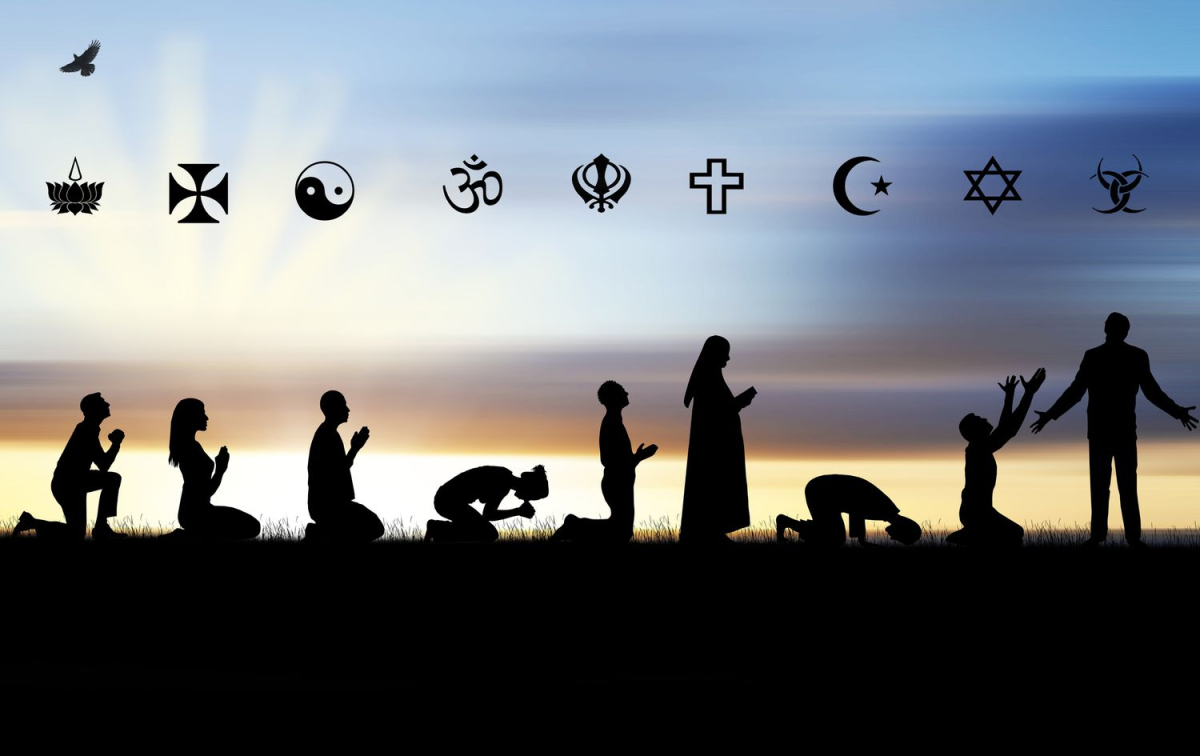


Nigerian youths have been known to engage with religion differently from the generation before them. While many have continued on the path of the religious communities before them, there are others who have chosen the path of religious apathy or atheism. It has us wondering, is it a trend, or are Nigerian youths fully turning from religion?
Religious and Nigerian Youths
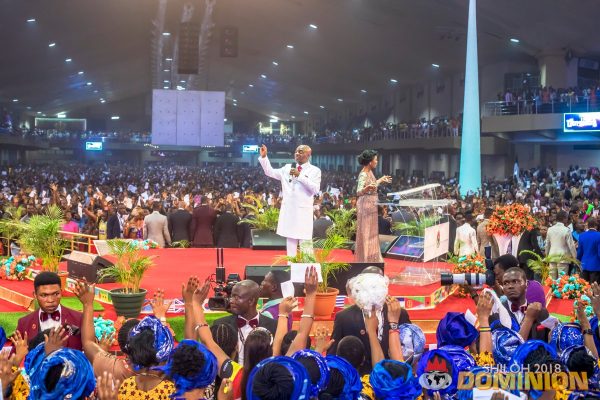
Nigeria is a deeply religious country, a trait that has continued to rub off on the people in the country, even the youths, and while along the line in the 2010s, the state of the country caused many youths to divest from religion, the average Nigerian youth is a practicing Muslim or Christian.
This pathway towards religion for many Nigerian youths is further enhanced by the rise of ‘youth churches’ like ‘CCI’ and ‘Harvesters’, and Muslim youth communities, which many Nigerian youths are part of, not just as churchgoers or Islamic students but as active participants.
The Draw Towards Religion For Nigerian Youths
There are a myriad of reasons Nigerian youths gravitate towards religion, some of them are;
- Community
A major factor in the appeal of religious spaces to many Nigerian youth is the sense of community they provide. Many people grow up in religious spaces that include their close friends and loved ones; the absence of their religious affiliations can also lead to the loss of their well-curated community.
- Faith
Another contributor to the hyper-religiousness in Nigeria is the need for something to believe in by the average Nigerian. Many people find that religion gives them something to believe in and allows them to surround themselves with like-minded individuals.
- Structure
Being a participant in religious spaces provides structure and helps them contribute to social action, even with systems already in place. Youths are drawn to faith-based social justice work, such as helping the poor. For Muslims, this occurs during Ramadan, and for Christians, during Lent; in both cases, they are able to feed the less privileged.
The Drawback of Religion For Nigerian Youths
For many, the drawback from religion stems from being forced to participate in the religion at a time they couldn’t truly understand it.
- Trauma
Most Nigerian youths tend to favor religion, but some are indifferent. A significant factor behind this apathy, especially among atheist youths, is the trauma from growing up in highly religious environments. When children are brought up to follow specific religious practices, their natural response upon gaining independence is to pursue life free from the fear of religious persecution.
- Unanswered Questions
For others, the drawback of religion stems from unanswered questions about their faith. The quickest pathway to a life without religious hold is the need to get answers to religious beliefs that have gone unanswered for centuries. These questions also stem from religious trauma and beliefs that have either confused or overwhelmed young people.
What we think
While more Nigerian youth are drawing back from religion, the overwhelming majority lean towards religion. Even those who are not as dedicated to their religion still live lives catering to the beliefs that make up their religion.
What is missing among Nigerian youths is the willingness to actively participate in religion, whether as church or mosque goers or as participants in the usual yearly religious rituals. Most Nigerian youth are comfortable with only aligning with a religion and not necessarily participating in it more than necessary, so we believe that while Nigerian youths have not turned away from religion, they are not as dedicated as the generation before them.