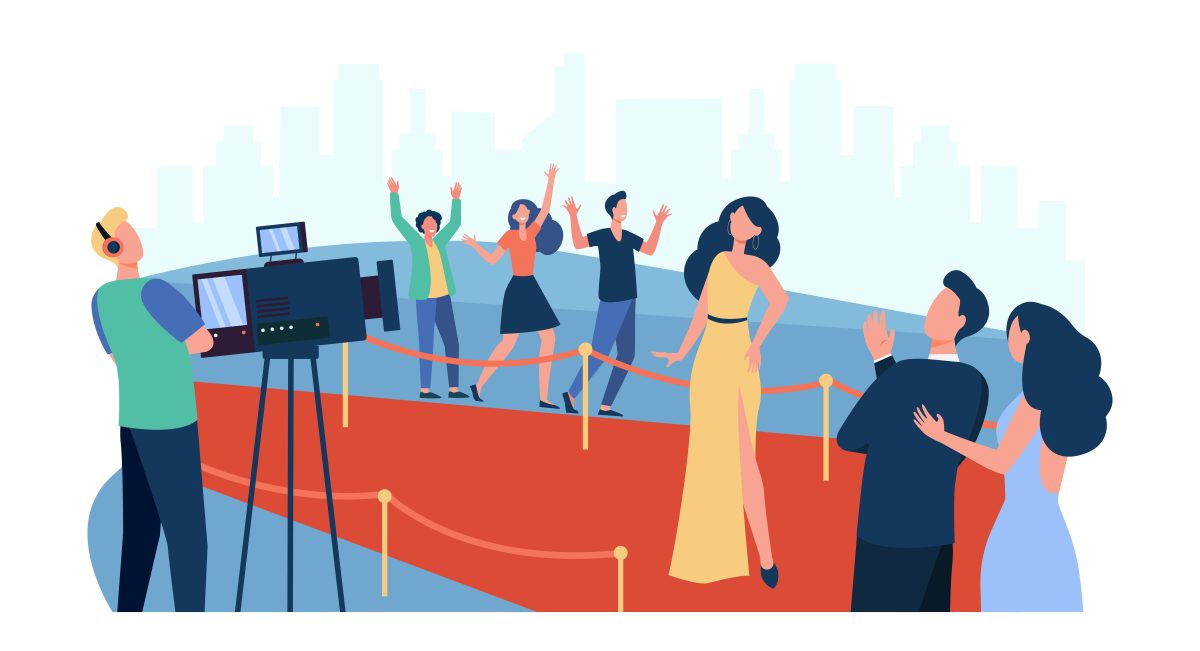


With the 2027 elections slowly creeping up, timelines are already getting heated. People are picking sides, dragging each other, and of course, dragging celebrities too.
Every election cycle, the same thing happens. Politicians tap into celebrity influence. Nigerian celebrities share their political opinions, post, attend events, take photos, or openly endorse candidates. Then Nigerians start asking: are they doing this because they believe in the candidate, or because it benefits them?
And more importantly, should they even be doing it?
The Celebrity Influence Is Real
Let’s be honest. Celebrities have reach. Millions of followers. Loyal fanbases. Young audiences. When they speak, people listen, even if it’s just to argue.
So it’s not shocking that politicians want them on their side. If a popular artist or influencer endorses a candidate, that endorsement can shift perception, especially among young voters.
But influence comes with pressure.
When The Switch-Up Is What Gets People Angry
The real issue isn’t always that celebrities pick a side. It’s when people feel like they switched sides.
Take Burna Boy, for example. A big part of his early image was being outspoken about government failures. He built an “African Giant” identity around rebellion and activism. So when people notice he’s less vocal now, they start asking questions.
Then there’s Tiwa Savage, who has faced online criticism over interactions that some Nigerians interpreted as closeness to the current administration. Social media doesn’t miss anything, especially not during election season.
And Cubana Chief Priest has been openly vocal about his political stance, even with backlash flying left and right.
For many Nigerians, it’s not just about politics. It’s about consistency. If you were anti-system yesterday, why are you smiling with the system today?
Why Do Celebrities Align With The Government Anyway?
Let’s not pretend it’s black and white.
- Money talks: Campaign endorsements can be extremely lucrative.
- Access and protection matter: In a country where security is a real concern, proximity to power can feel like insurance.
- Personal belief is possible: Sometimes, they might actually agree with the policies.
- Business strategy: Being close to the government can open doors.
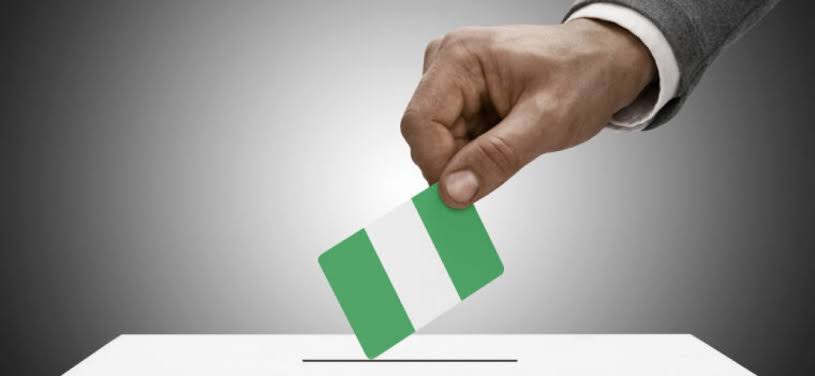
The problem? Nigerians are tired. So any perceived alignment with a government that people are unhappy with feels personal.
The Risk: Losing The People Who Made You Famous
When fans feel betrayed, they react. Unfollows. Boycotts. Endless dragging. Memes. Screenshots of old tweets. There’s no peace.
And in today’s internet culture, credibility is currency. Once people feel like you’ve compromised your “realness,” it’s hard to win them back.
So, Should They Stay Silent?
Here’s the thing. Celebrities are citizens too. They vote. They have opinions. They are allowed to support whoever they want.
But when your brand is built on activism, or when your fanbase sees you as a voice of the people, expectations become higher. Nigerians don’t just want entertainers. They want accountability.
Right now, trust is fragile.
2027 Is Going To Be Loud
As February 2027 gets closer, tensions will rise. The economy, insecurity, and tribalism. People are emotional. So when Nigerian celebrities share their political opinions and pick sides, it won’t just be seen as a political issue. It will be seen as loyalty or betrayal.
At the end of the day, maybe the real question isn’t whether celebrities should share their opinions.
It’s whether they are ready to deal with the consequences when they do.