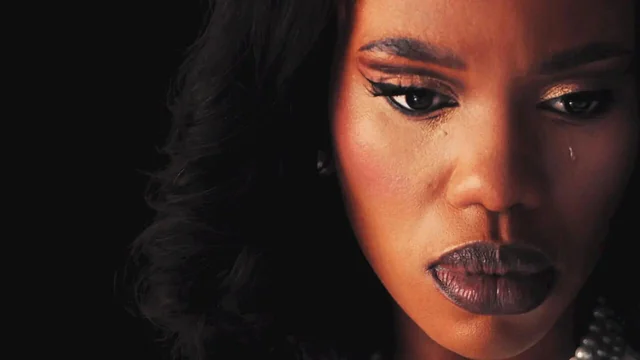


The newly released South African series “The Polygamist” is now number 1 on Netflix Nigeria, even amid growing tensions between the two countries, fueled by xenophobia displayed by South Africans. While many, including Afrobeat superstar Davido, can’t seem to get enough of the show, many Nigerians are using the series to highlight Nigerians’ refusal to show African solidarity by boycotting South African media.
This has us wondering: why are Nigerians hesitant to boycott The Polygamist, the Amapiano sound, and other South African-related content that have found their place in current Nigerian pop culture?
Why Can’t Nigerians Seem To Boycott South African Media?
The struggle Nigerians are facing with boycotting the Netflix series “The Polygamist” is not only about the TV series but also a reference point for how Nigerian culture does not fully recognise boycotting as a form of protest. Some of the few instances where there has been a disconnect between Nigerians willing to boycott, and those refusing to
- EndSars Protest
During the heat of the #EndSars protests, while people shut down roads and took to the streets, there were millions of Nigerians who were equally opposed to the protests. The counter-argument for the anti-protesters was that it was unfair to the people who couldn’t afford to survive without showing up for work, and for others, there was simply no need to boycott, as the police brutality was not an experience they could understand.
- Detty December Concerts
Nigerian artists have built a reputation for either showing up late to their Detty December concerts or delivering a mediocre performance. Though many have complained and vowed to boycott these artists’ shows, thousands still show up at their concerts, seeing no reason to boycott them for their actions.
- Amapiano music
Even amidst the tension between Nigerians and South Africans, which has cost the lives of Nigerians living in the country, there has been a significant increase in Nigerian artists leaning into the Amapiano music genre and making it mainstream in Nigeria. The mainstream artists are not the only ones making Amapiano a trend in Nigeria; this sound has become a major part of the rave culture in Nigeria.
Why Do Nigerians Need To Learn To Boycott?
It is important for Nigerians to learn how to boycott exploitative systems or oppressive nations, like South Africa, where xenophobia has a real impact on the lives of Nigerians. Holding the government and bigoted figures accountable often starts with a boycott. Boycotting also helps in situations like:
- Institutional change
Boycotts have historically been credited with a positive impact in Nigeria; for example, consumer boycotts of specific commodities have been used to register displeasure. The boycott of a trending Netflix show would be a major institutional shift if implemented by Nigerians. Likewise, the #EndSARS protests and boycotts contributed to reducing police brutality faced by Nigerian youth, with the protests putting a stop to the Lekki toll gate fees paid by Nigerians prior to the protests.
- Economical Protests
Nigerians choosing to platform a South African TV show during a time of unrest is an economic boost for the show and a bragging right for the country at a time when we should be proving that we are self-sustaining. However, choosing to boycott any media from the country would be a huge economic blow to South Africa, and boycotts with economic and financial impacts are the most successful. Ghanaian citizens have chosen to boycott and protest South African businesses in their country, a choice that Nigerians have yet to make.
- Political Accountability
The Nigerian and South African governments have contributed to the xenophobia Nigerians face in South Africa. The Nigerian government hasn’t addressed or solved the plight of hundreds of stranded Nigerians, while the South African government has allowed its citizens to commit xenophobic violence against legal Nigerian immigrants without repercussions. Nigeria has helped return some stranded Nigerians but hasn’t addressed the xenophobic attacks, unlike Ghana and Kenya, which have planned to recall their citizens and cut diplomatic ties with South Africa. Boycotting is a powerful, nonviolent way to oppose oppression and discrimination.
What do we think?
“The Polygamist” making it to number 1 on Netflix NG may seem like the whole country is enjoying a new show, but at a time when Nigerians living in South Africa are endangered because of their nationality, it sends the wrong message. It is important that Nigerians show solidarity with their countrymen, as other African countries are doing.