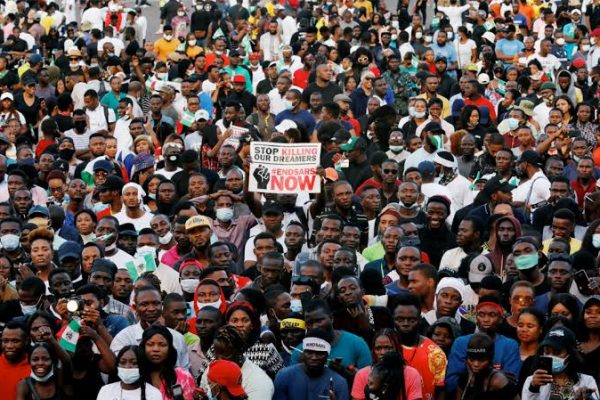

For months now, Nigerians have been living through a perfect storm.
Power outages have become routine. Fuel prices continue to climb. And now, an unforgiving heatwave has pushed daily life to the edge, turning discomfort into crisis. Everyone is complaining across social media platforms, but beyond the noise is a deeper question: how did everything get this bad, all at once?
The Downward Spiral
Nigeria’s electricity crisis is not new, but it has become noticeably worse. When the government introduced the band system and increased tariffs, there was cautious optimism. The idea was simple: pay more, get more. For those placed on Band A, there was a brief moment where it seemed like the system might finally work. We were willing to tolerate higher costs if it meant stable power.
That moment did not last. What followed was a return to inconsistency, only now at a higher price point. The national grid, already fragile, continued to collapse at alarming rates. By 2025, Nigeria recorded one of its worst years for grid failures, and 2026 has done little to break that pattern.
The result is a system where people are paying more for less, a frustration that cuts across class lines.
A Country Overheating
If unreliable electricity is the baseline problem, the current heatwave has made it unbearable.
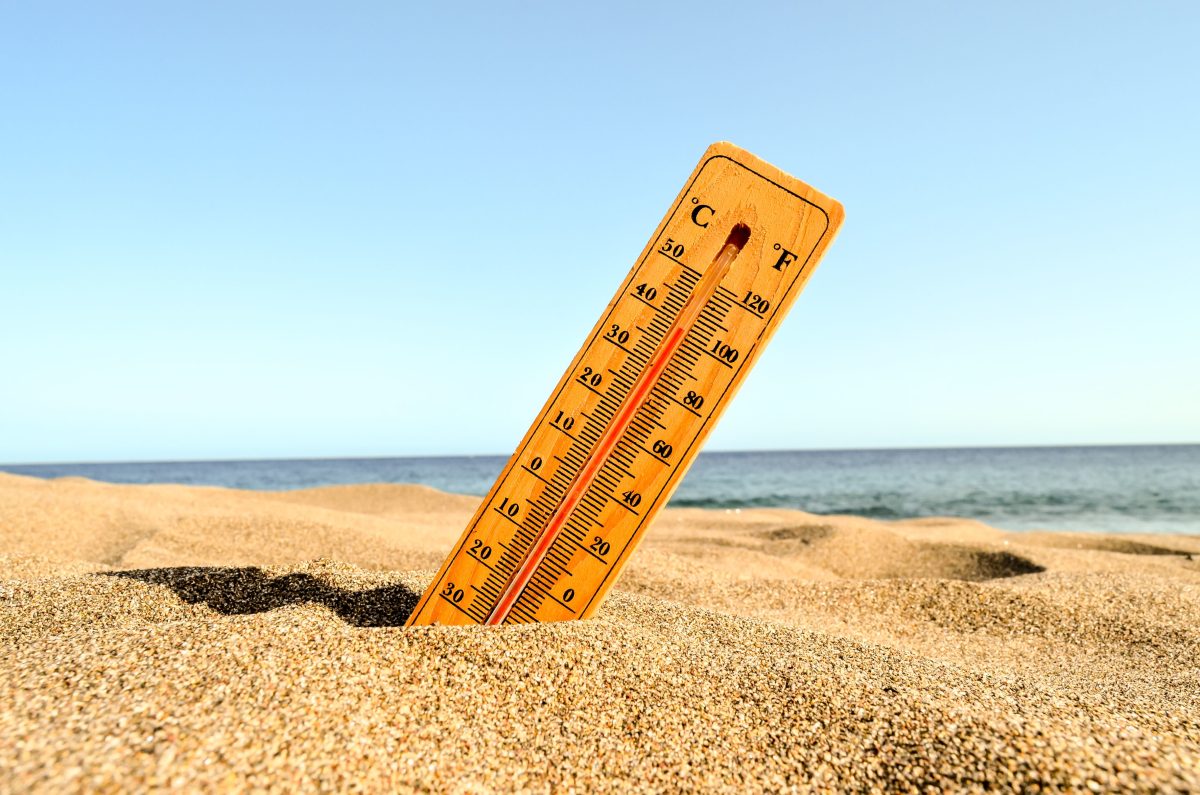
Temperatures have hovered around 40 degrees Celsius for weeks, with little to no relief. The Nigerian Meteorological Agency has issued warnings about extreme heat stress across multiple states, from Kebbi to the Federal Capital Territory, placing millions at risk.
But the real issue is not just the heat. It is the lack of infrastructure to survive it. In a country where stable electricity is a luxury, cooling systems become unreliable, water supply is inconsistent, and basic comfort becomes a daily struggle. The heatwave has not created a crisis, but it has exposed one.
Global Wars, Local Consequences
Nigeria’s current reality cannot be separated from global events. The ongoing tensions involving Iran, Israel, and the United States have disrupted global oil markets, driving up crude prices and, by extension, fuel costs.
For Nigeria, the impact is immediate. With fuel subsidies removed and the naira continuing to weaken, higher global prices translate directly into higher local costs. Add to that our long-standing dependence on fuel imports and limited refining capacity, and the pressure becomes unavoidable. Everyone is on edge.
Even with the presence of the Dangote Refinery, price adjustments have done little to ease the burden on consumers. This is where global economics meets local vulnerability, leaving Nigerians to absorb the shock.
Apologies Without Answers
In response to the growing frustration, the Minister of Power, Adebayo Adelabu, issued a public apology, describing the situation as temporary and beyond the government’s control. But for many Nigerians, apologies have lost their meaning.
“We want to apologise to the generality of Nigerians officially as the minister of power for this temporary issue that is leading to hardship, especially in this dry season where there’s so much heat everywhere….It’s not our wish to find ourselves in this situation; it’s just factors that are beyond our control,” he said.
The electricity crisis is not temporary. It is decades old. Each administration inherits it, acknowledges it, and ultimately leaves it unresolved. What changes are the explanations and the people who give us false hopes, not the outcome?
And that is where public patience begins to wear thin.
So, Who Is Responsible?
It is tempting to look for a single figure to blame. The current administration under Bola Tinubu, global leaders like Donald Trump, major industry players like Dangote, or even the Ministry of Power itself.
But the reality is less convenient. Nigeria’s current crisis isn’t just one; it’s layered. It is the result of years of policy failures, neglected infrastructure, economic mismanagement, and global dependencies that were never properly addressed. Blame, in this case, is collective. So is the consequence.
What This Moment Reveals
What Nigerians are experiencing right now is not just hardship; it is exposure of the following:
- Exposure of a power sector that cannot sustain demand.
- Exposure of an economy vulnerable to global shocks.
- Exposure of a system where citizens are expected to adapt faster than the structures meant to support them.
The question is no longer whether things are difficult. That is already clear. The real question is how much longer are we expected to endure a system that continues to fail us, even as the cost of surviving it keeps rising?